WHAT YOU NEED TO KNOW
- The Air Force linked hidden F100 engine damage to at least two F-16 crashes during the last two years.
- Previous procedures left the engine’s 5th stage invisible to mechanics without removing and rebuilding the engine.
- A new borescope procedure allows flight line inspections of the vulnerable area after foreign object debris events.
- Engines with turned vanes must be sent to a depot, while Pratt & Whitney has redesigned the vane arm.
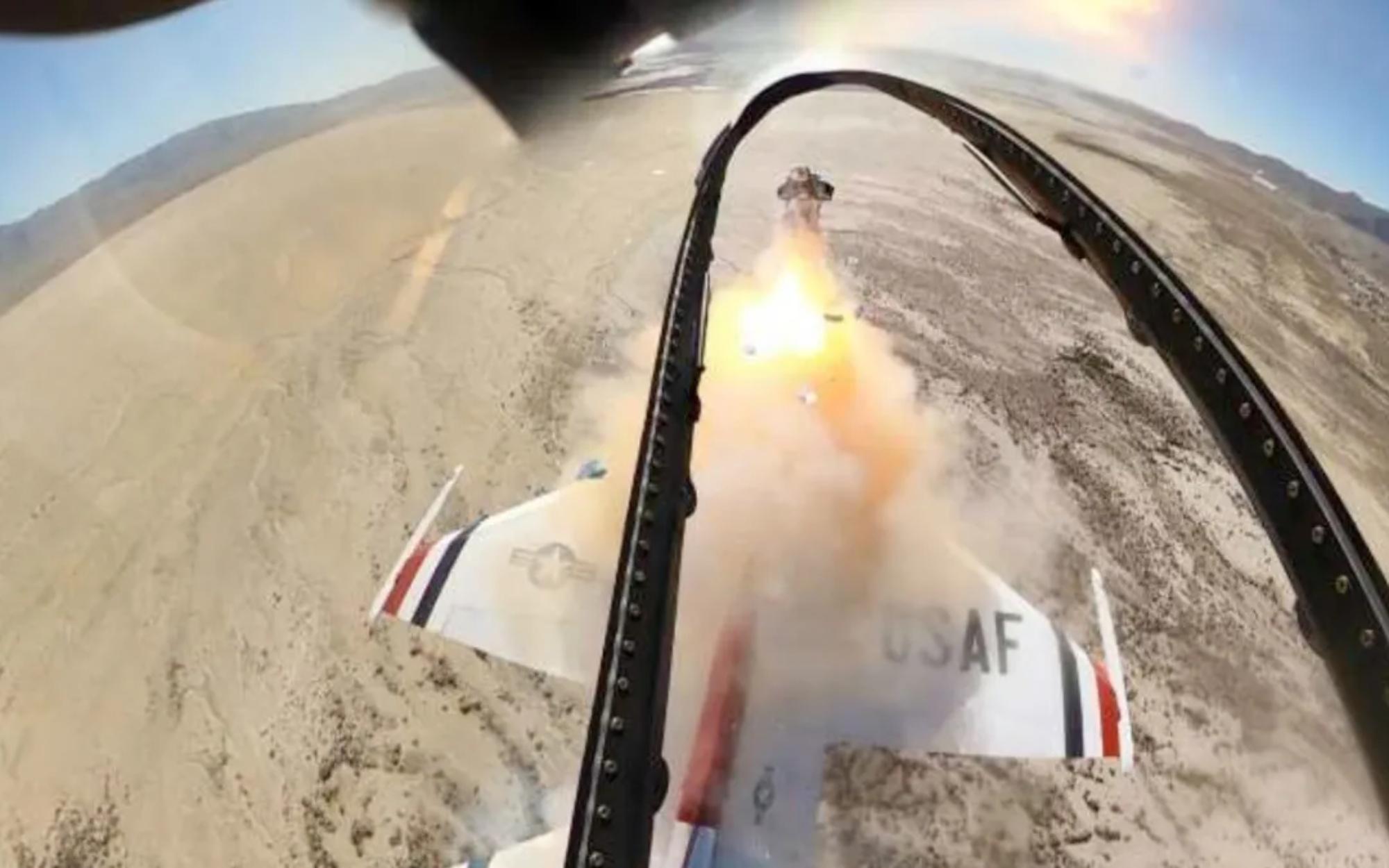
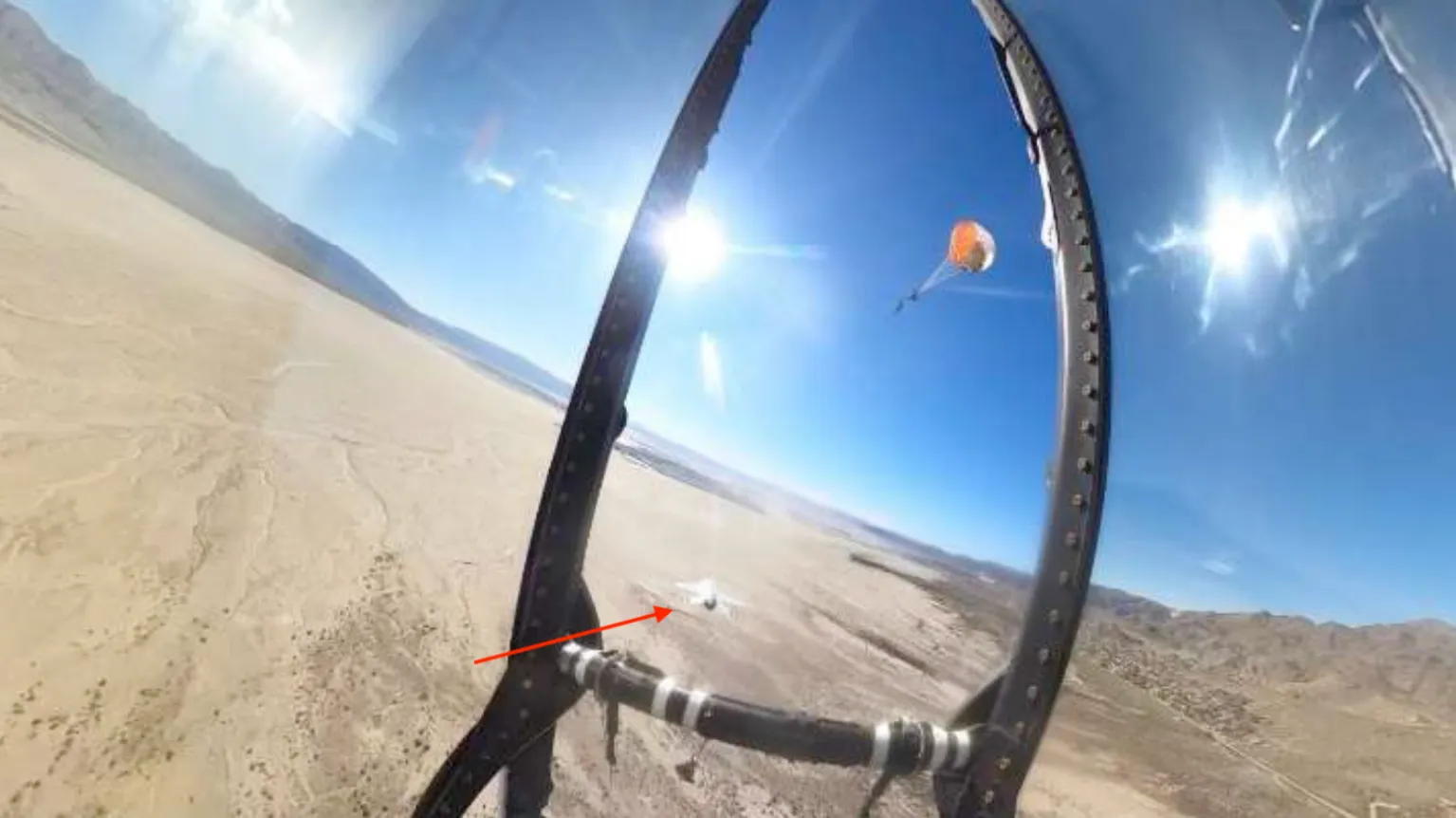
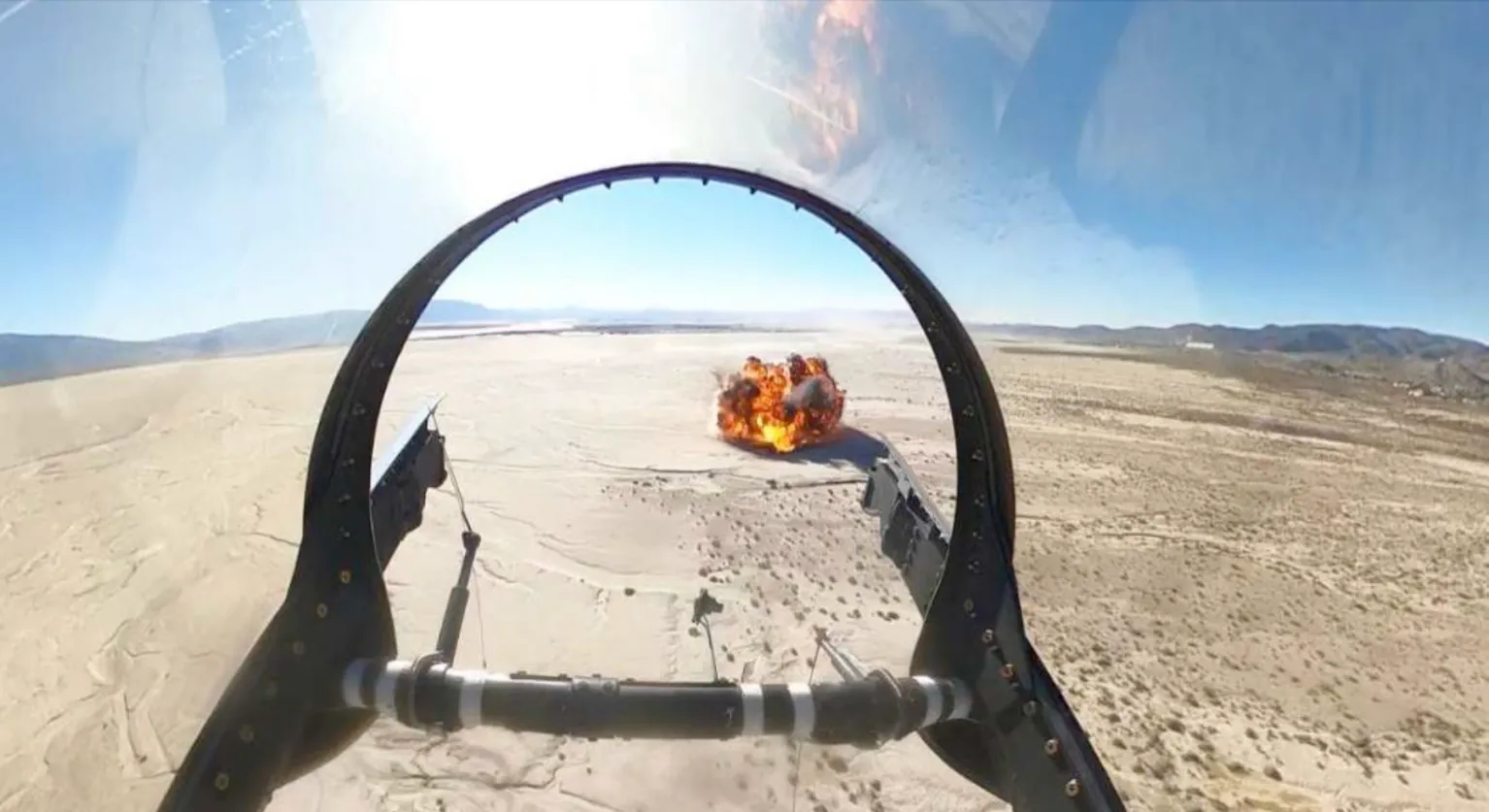
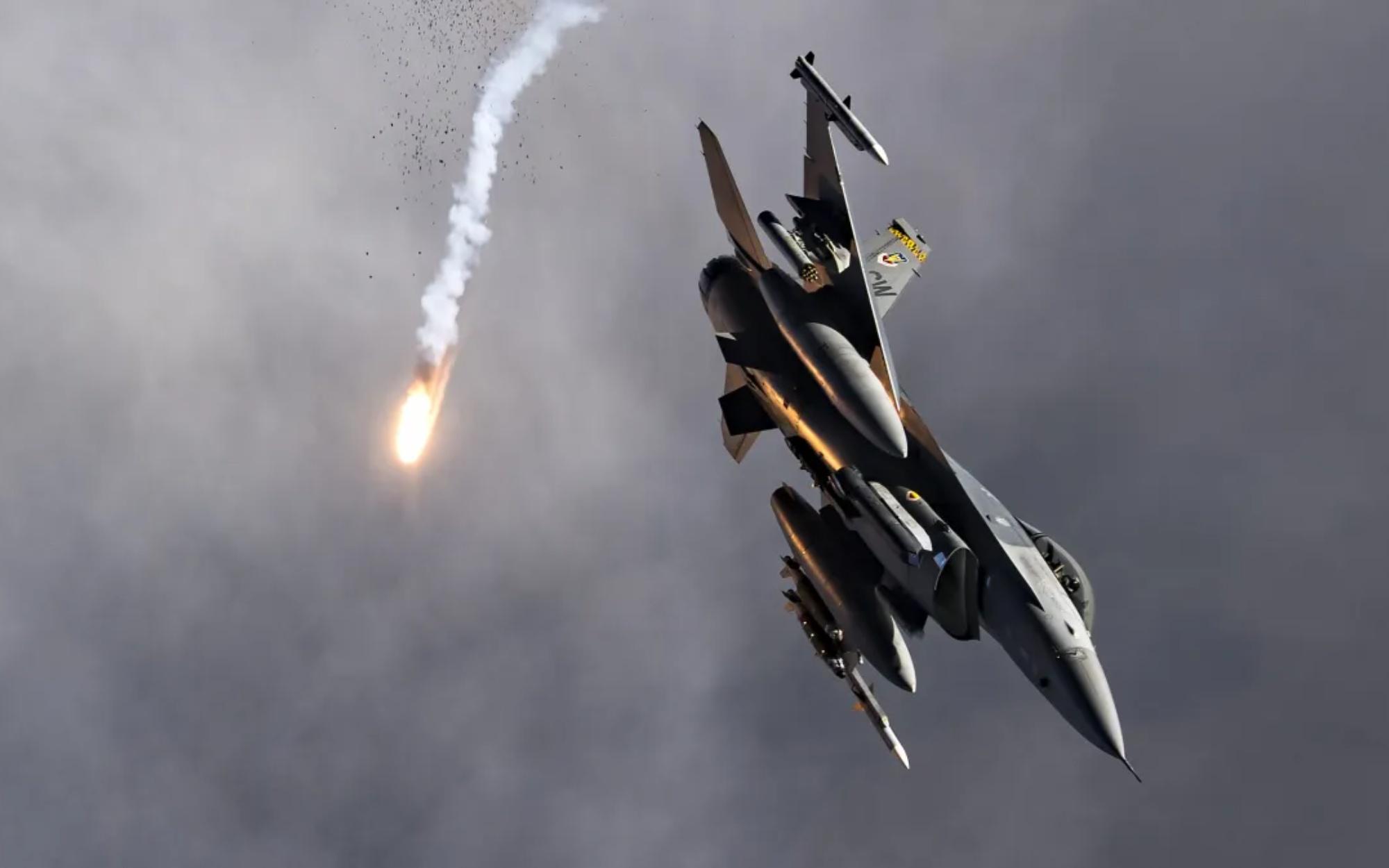
The Air Force is overhauling how F-16 crews inspect a difficult section of the aircraft’s engine after investigators linked hidden damage to at least two crashes during the last two years. One of those crashes destroyed an Air Force Thunderbird demonstration jet in late 2025.
The pilots escaped safely after the engines partially blew apart during routine flights. In each case, the damage left the aircraft unflyable and forced the pilot to eject.
Air Force investigators traced both failures to unrepaired damage inside a blind spot within the Pratt & Whitney F100 engine. Misaligned blades on a fan deep inside each engine broke free and inflicted what investigators described as “catastrophic damage” on the remaining engine components.
The problem involved a specific fan section that the Air Force calls a stage. The vulnerable area sits deep enough inside the engine that regular maintenance procedures have made it difficult, or sometimes impossible, for mechanics to inspect.
Officials at the Air Force Life Cycle Management Center said a new inspection process will be distributed to F-16 units. The center oversees maintenance requirements and engineering issues across the Air Force aircraft fleet.
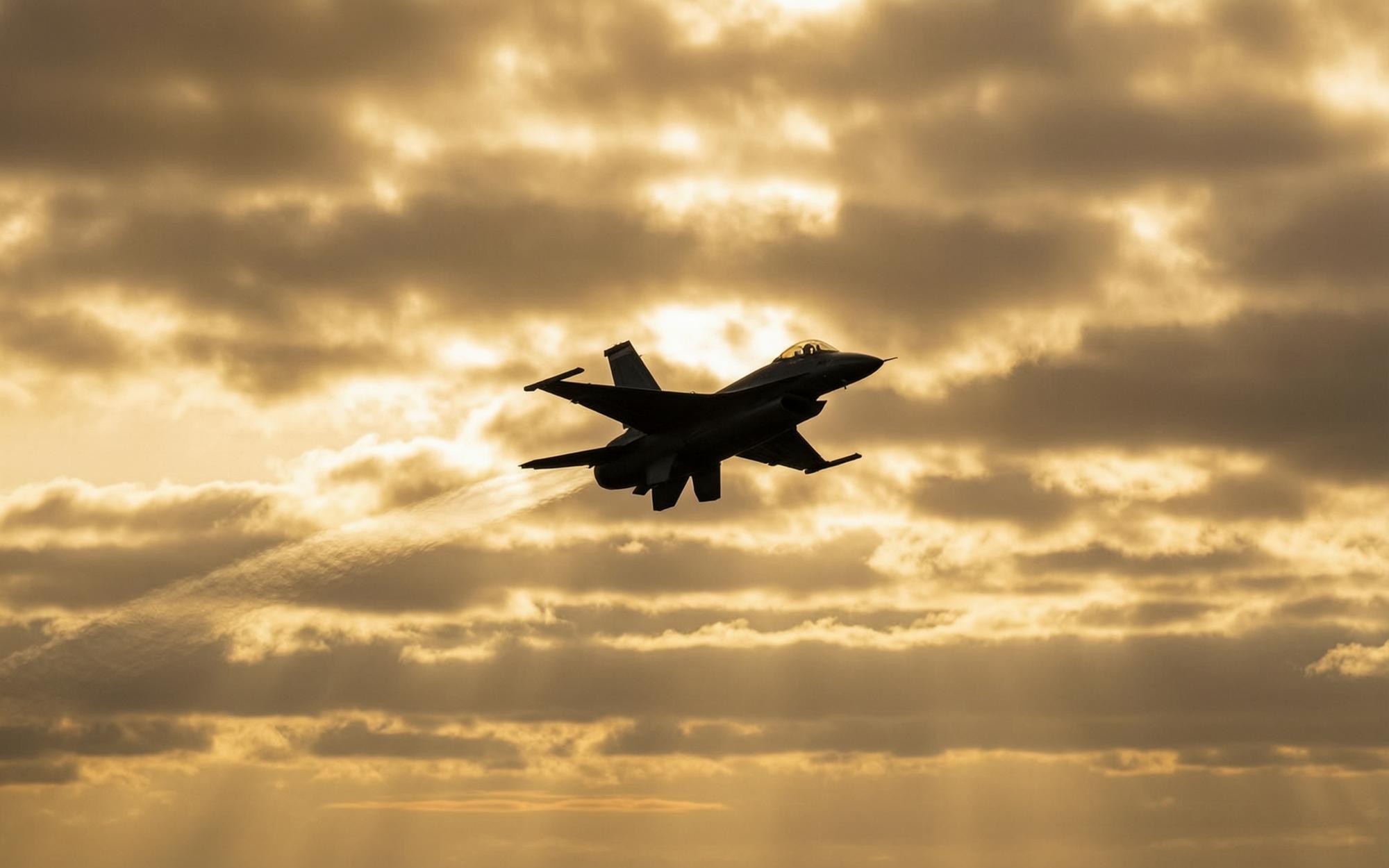
“The Air Force Life Cycle Management Center’s Propulsion Program Office has developed a way for maintainers to inspect the fourth and fifth stage section of the F-16’s engine,” a center spokesman said. “This issue is applicable only to the F100 engine variant. The Propulsion Program Office has implemented a new borescope inspection procedure for the 4th and 5th stage vane arms for the F100 engine variant.”
The F100 contains 13 stages, with each stage heating and pushing air through the engine. Existing Air Force maintenance rules have directed mechanics to inspect the first four stages from the front of the aircraft.
Mechanics inspect stages 7 through 13 from the rear or with specialized cameras inserted through inspection holes positioned along the engine. That arrangement left a troubling gap around the 4th and 5th stages.
The 4th stage is difficult to reach under the previous process, while the 5th stage cannot be seen by the mechanics responsible for daily aircraft maintenance. That problem remains even during heavy overhauls because the fan blades sit too far inside the engine to be viewed from the front.
There is also no accessible inspection port through which mechanics can insert a camera to view the 5th stage. Air Force officials said the only available method had been removing the entire engine and essentially rebuilding it.
That extensive work is generally performed only a few times during an aircraft’s service life at major depot facilities. It is not normally conducted inside the maintenance shops found at most Air Force bases.
The F100 is common across the Air Force F-16 fleet, although many aircraft use other powerplants manufactured by Pratt & Whitney or GE. Those other engines are not covered by the new inspection requirements.
Maintenance records for both the Thunderbird crash and a 2025 crash at Holloman Air Force Base, New Mexico, showed that each aircraft had previously ingested foreign object debris into its engine. Such debris is also commonly called FOD.
FOD events often involve rocks, broken runway concrete, or bird strikes. Pilots and crews carefully report and track those incidents, while Air Force maintenance rules require inspections after a reported FOD event.
For F100 engines, however, those inspections generally have not required crews to remove the engine completely to examine the 5th stage. The new procedure is designed to let mechanics inspect the vulnerable area directly on the flight line following a FOD event.
“The inspection can be done on-wing and is required after a FOD event occurs,” the AFLCMC spokesperson said. “If a turned vane is found during the borescope inspection, the F100 technical data requires the engine to be sent to depot for follow-on inspections and maintenance. Additionally, the program office has worked with Pratt & Whitney to redesign the vane arm to be more impact-resistant.”
The procedure gives crews a way to inspect an area that was previously beyond the reach of normal flight line maintenance. When mechanics discover a turned vane, the engine must be shipped to a depot for further inspection and repairs.
Join the Discussion
COMMENTS POLICY: We have no tolerance for messages of violence, racism, vulgarity, obscenity or other such discourteous behavior. Thank you for contributing to a respectful and useful online dialogue.