WHAT YOU NEED TO KNOW
- The USS Abraham Lincoln is scheduled to return to its California homeport Thursday after a 321 day deployment.
- War Secretary Pete Hegseth will visit the carrier Wednesday, address the crew, participate in PT, and eat lunch with warfighters.
- Acting Navy Secretary Hung Cao confirmed eight suicide attempts aboard ships in the carrier strike group since the deployment began.
- The Lincoln’s deployment will end several days short of the USS Gerald Ford’s 326 day record.
The USS Abraham Lincoln is set to return to its California homeport Thursday, Oct. 8, ending a 321 day deployment that generated serious concerns about sailor morale, mental health support, and conditions aboard the carrier.
The ship departed Naval Station San Diego on Nov. 21, 2025. It later joined military operations in the Middle East after the United States launched the Iran war alongside Israel on Feb. 28.
War Secretary Pete Hegseth will meet the sailors Wednesday while the Lincoln remains underway. His visit comes one day before the service members are scheduled to set foot on American soil for the first time in more than 10 months.
The War Department announced the visit as the carrier moved closer to the conclusion of its unusually long deployment. Hegseth plans to address the crew and spend time with the warfighters aboard the ship.
“Secretary Hegseth will welcome the USS Lincoln home tomorrow following their deployment,” the War Department said. “Secretary Hegseth will also speak to the crew on the ship, participate in PT and eat lunch with warfighters in the area.”
The homecoming follows months of growing concern among families with loved ones aboard the Lincoln. During an Aug. 6 town hall meeting in San Diego, California, families raised alarms with military officials about possible food shortages and the danger of sailors harming themselves.

Several days after that meeting, Military Times reported that two service members had attempted to jump overboard. The circumstances that led to those attempts remained unclear, according to the report.
The broader mental health picture became clearer in a Sept. 22 letter to Congress from Acting Navy Secretary Hung Cao. Cao confirmed that eight sailors had attempted suicide aboard ships assigned to the USS Abraham Lincoln Carrier Strike Group since the deployment began.
Sailors and Navy mental health professionals also described a psychiatric assistance system under severe strain. They told Military Times that the system designed to assist sailors aboard aircraft carriers could not meet the demands created by prolonged combat deployments.
The concerns unfolded during a deployment with exceptionally limited opportunities for sailors to get ashore. The Lincoln arrived in Thailand on Sept. 2, marking its first scheduled port visit in more than 260 days.
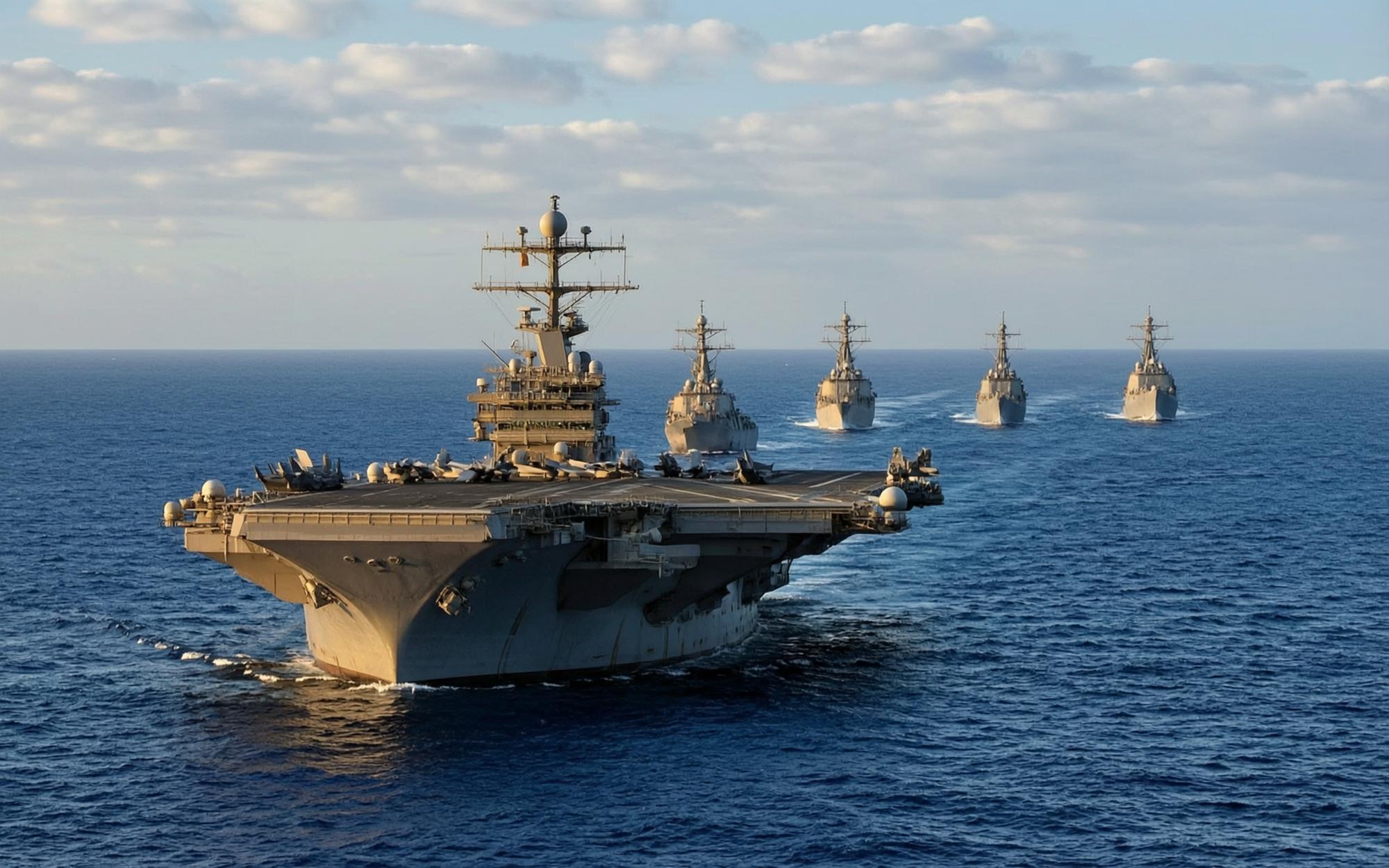
Before the Thailand visit, the carrier had pulled into Guam on Dec. 11, 2025. The source identified no other scheduled port visit between that stop and the Lincoln’s September arrival in Thailand.
The long stretches underway placed additional focus on conditions aboard the ship and the resources available to the crew. Families, sailors, and mental health professionals each described concerns as the deployment continued toward its 321 day conclusion.
Despite those difficulties, the carrier remained involved in military operations in the Middle East following the start of the Iran war. Its return will bring the crew back to California after more than 10 months away from American soil.
The deployment will also place the Lincoln close to a modern carrier endurance record. When the Nimitz-class aircraft carrier reaches port Thursday, it will finish only several days short of the USS Gerald Ford’s 326 day deployment.
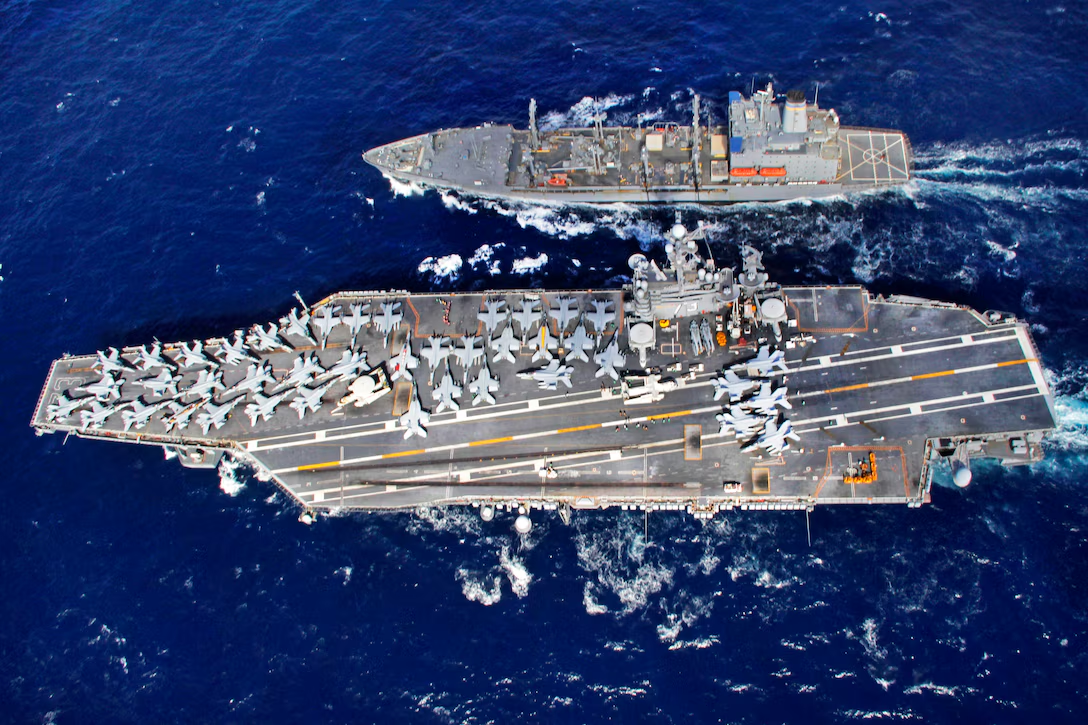
The Gerald Ford established that mark earlier in 2026, recording the longest carrier deployment since the Vietnam era. The Lincoln’s 321 days will leave it just shy of that 326 day benchmark.
For Lincoln sailors and their families, Thursday’s arrival will close a deployment marked by Middle East military operations, rare port visits, mental health concerns, and repeated questions about the strain carried by crews during prolonged combat missions.
Are you feeling overwhelmed or hopeless right now? Have you been withdrawing from people or activities you usually enjoy? Are you having thoughts about hurting yourself, or feeling like things will never improve?
You do not have to handle those feelings alone. Support is available, and talking to someone can make a difference. You can reach out to the 988 Suicide & Crisis Lifeline by calling or texting 988, or by chatting online at 988lifeline.org. Trained counselors are available 24 hours a day to listen and help.
If you believe someone is in immediate danger, call emergency services right away. Even a small step, like reaching out to a trusted friend, family member, or professional, can help create a path forward.
Join the Discussion
COMMENTS POLICY: We have no tolerance for messages of violence, racism, vulgarity, obscenity or other such discourteous behavior. Thank you for contributing to a respectful and useful online dialogue.