WHAT YOU NEED TO KNOW
- The White House nominated Lt. Gen. David N. Miller Jr. to lead U.S. Space Command.
- Miller would succeed Gen. Stephen Whiting and become SPACECOM’s fourth commander since its 2019 reestablishment.
- Miller previously commanded Space Operations Command and has led guardians and airmen at multiple command levels.
- The Senate Armed Services Committee has not scheduled Miller’s formal confirmation hearing.
The White House on Tuesday nominated Lt. Gen. David N. Miller Jr. to become the next commander of U.S. Space Command, according to a congressional notice. His nomination now awaits consideration in the Senate.
Miller currently serves as the deputy chief of Space Operations, Strategy, Plans, Programs and Requirements. If confirmed, he would take charge of the combatant command responsible for operations involving the space domain.
The transition is expected after Gen. Stephen Whiting steps down from command toward the end of the year or the beginning of the next. Miller would enter the position as national leaders place increasing emphasis on space in military operations and national defense.
Chief of Space Operations Gen. Douglas Schiess welcomed the White House nomination in a social media post. “Congratulations to Lt. Gen. Miller on his nomination to serve as Commander, U.S. Space Command,” Schiess said.
Schiess also praised Miller’s record and fitness for the command assignment. “He is an exceptional guardian who has represented our service with distinction, and we believe he is a strong candidate for this critical joint leadership role.”
Before assuming his current position, Miller served as commander of Space Operations Command at Peterson Space Force Base, Colorado. That assignment placed him in charge of an organization central to military space operations.
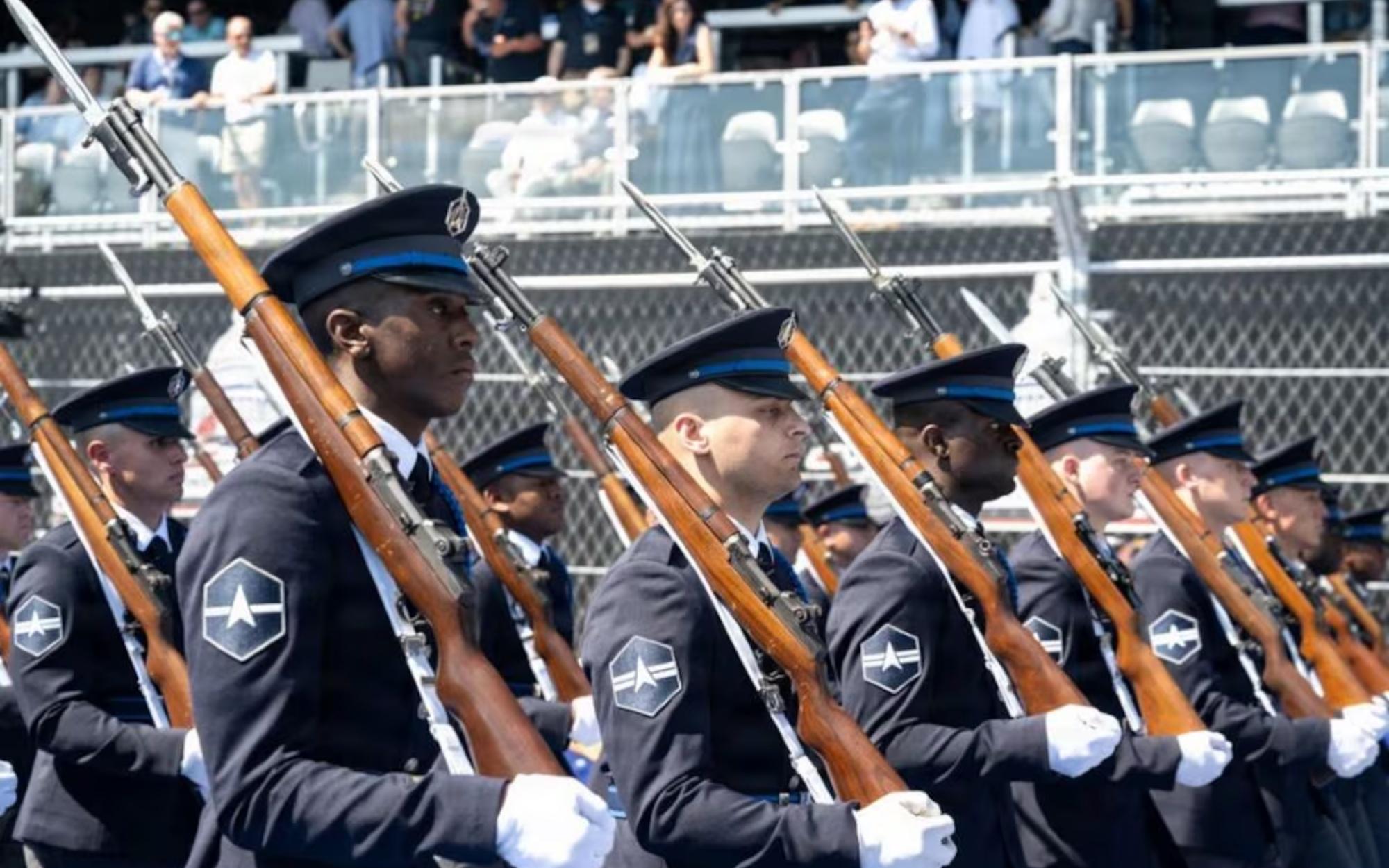
Miller also served as special assistant to the vice chief of space operations at Peterson. Across earlier assignments, he commanded guardians and airmen at the squadron, group and wing levels at various bases.
If the Senate confirms him, Miller would become the fourth commander of SPACECOM since its reestablishment in 2019. His selection arrives as U.S. leaders increasingly highlight the role of space capabilities in operations and in defending the nation.
The nomination also follows Secretary of the Air Force Troy Meink’s disclosure that the department possesses space control weapons operating in orbit. Meink said those weapons are capable of defending the joint force from “hostile adversary action.”
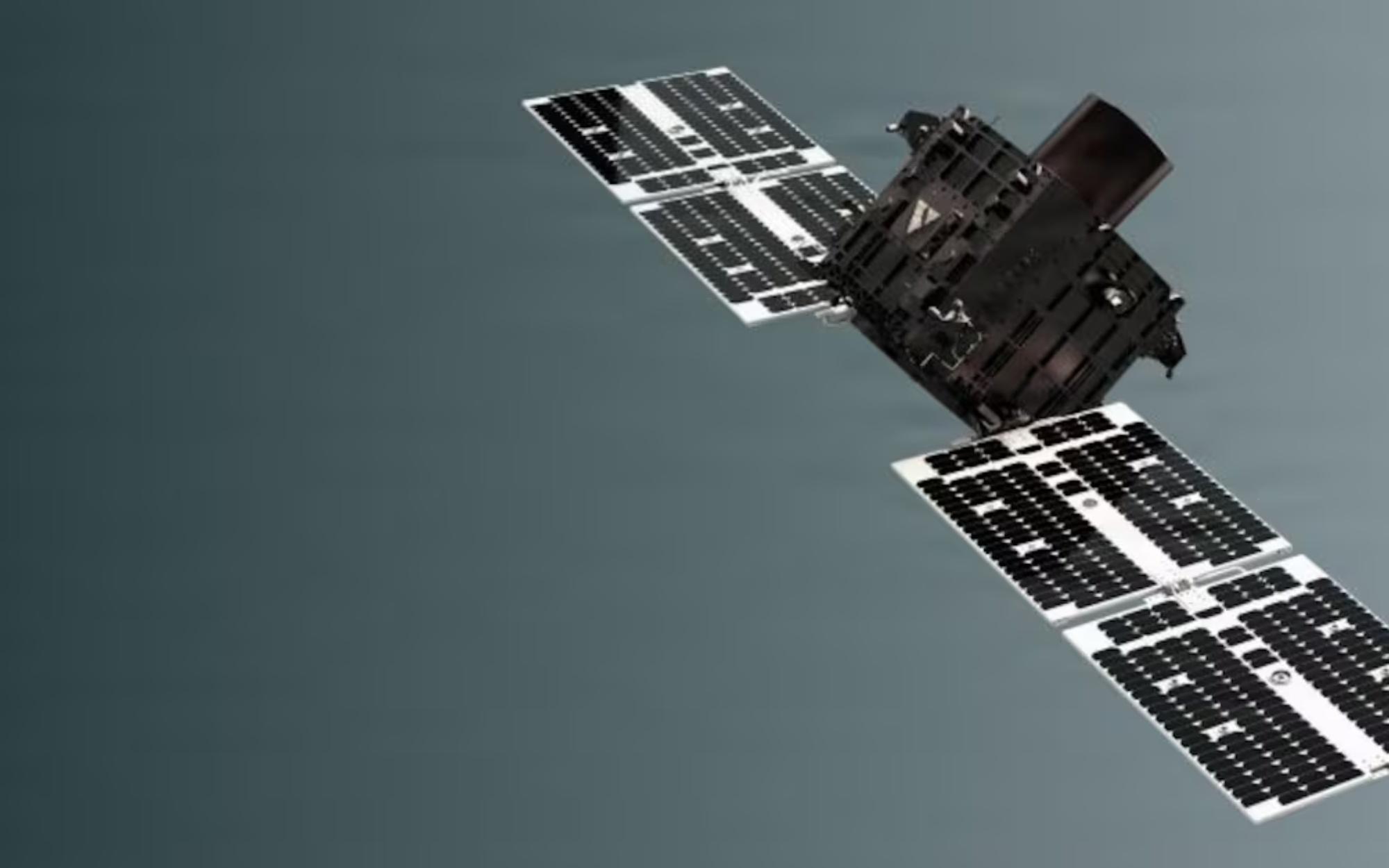
Meink kept details about the capability sparse and declined to identify what type of weapon the department possesses. He nevertheless reaffirmed that the weapon is necessary for deterrence.
Officials have also highlighted the role of space capabilities during recent missions, including Operation Epic Fury. They described those capabilities as essential to the joint force rather than something merely operating in the background.
Schiess addressed that combat role during his keynote at the Air & Space Forces Association’s 2026 Air, Space & Cyber Conference in mid September. “During Operation Epic Fury, our components, notably at U.S. Central Command and Space Command with support from components at European Command and Pacific Command, demonstrated that guardians are not supporting from the sidelines as a ‘nice to have,’ but we are delivering spacepower directly into the fight as a ‘need to have,’” he said.
As commander, Miller would be responsible for the space domain while providing combat effects enabled by space capabilities around the world. He would hold combat command authority over joint warfighters operating systems on the ground and in space.
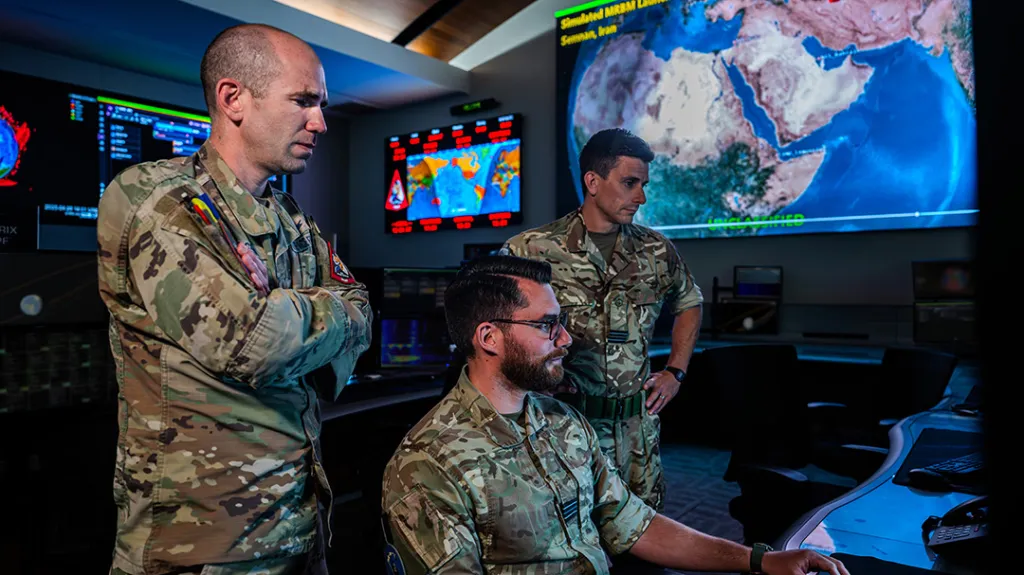
Miller would succeed Whiting, who took the position after being nominated by former President Joe Biden and later confirmed. Whiting is expected to remain in command until his planned departure near the end of the year or early in the next.
Before leading SPACECOM, Whiting commanded Space Operations Command. He also held numerous positions across U.S. Strategic Command, Air Force headquarters and the Office of the Deputy Secretary of War.
The Senate Armed Services Committee has not yet scheduled a formal confirmation hearing for Miller. Until that process moves forward, the leadership transition at U.S. Space Command remains pending Senate action.
Join the Discussion
COMMENTS POLICY: We have no tolerance for messages of violence, racism, vulgarity, obscenity or other such discourteous behavior. Thank you for contributing to a respectful and useful online dialogue.