WHAT YOU NEED TO KNOW
- LIFT received an Air Force contract worth up to $83.4 million for as many as 16,000 AV2.2 helmets.
- Deliveries are expected to begin in late summer 2027, with initial operational capability targeted for September 2027.
- The lighter modular helmet is designed to improve ventilation, balance, visibility, mobility, comfort, and compatibility with cockpit equipment.
- F-35 pilots are excluded because they use separate helmets, while other fixed wing aviators have worn the HGU-55/P since the 1980s.
The Air Force is moving toward a major helmet upgrade for fixed wing aviators, with a new design that is lighter, better ventilated, and built to accept evolving cockpit technology. The AV2.2 Next Generation Fixed Wing Helmet offers an alternative to equipment that has served for more than four decades.
On Nov. 5, LIFT Airborne Technologies announced that it had received a decade long Air Force contract for the AV2.2 system. The agreement is valued at up to $83.4 million and covers as many as 16,000 helmets.
That maximum quantity would be more than enough to equip every commissioned fixed wing aviator in the active duty Air Force. The final number purchased, however, has not yet been made clear.
An Air Force spokesman said that deliveries are expected to start in late summer 2027. The service aims to reach initial operational capability in September of that year.
F-35 fighter pilots are the lone fixed wing community excluded from the contract because they use their own helmets, which cost about as much as a Ferrari. Every other fixed wing aviation community has used the HGU-55/P since the 1980s.
The Air Force says changing equipment is necessary to help aircrews stay healthy and keep pace with new technology. Even with the contract announced, the service has not identified which units or aircrews will receive the AV2.2 first.
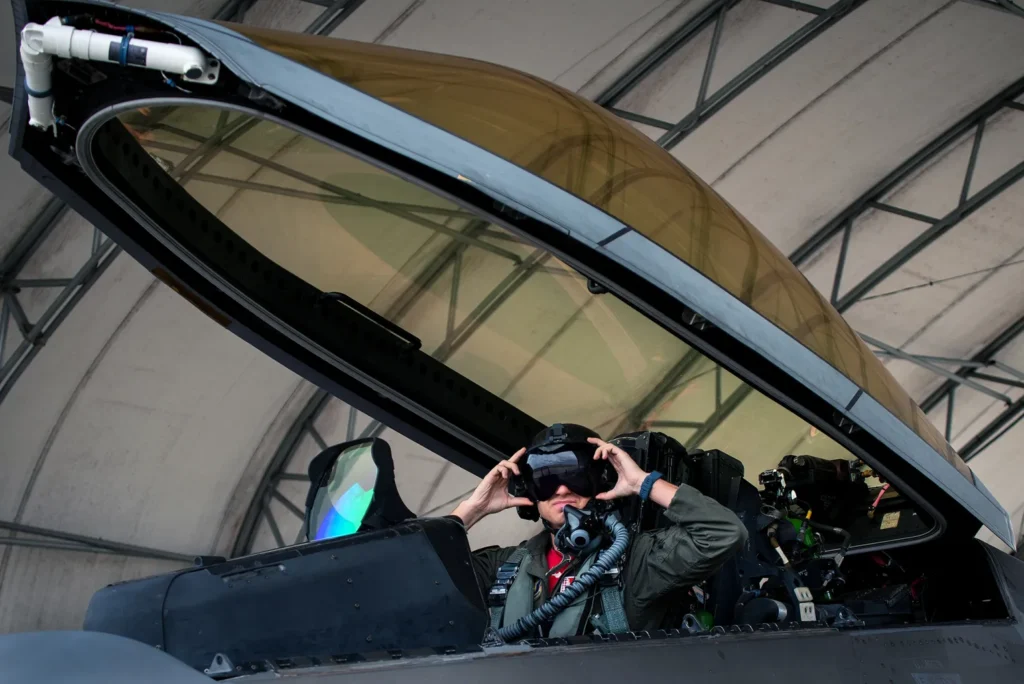
Weight is a central concern because the HGU-55/P weighs about 2.2 pounds before additional equipment is attached. A human head weighs roughly 10 or 11 pounds, and heads up displays or night vision goggles add still more load.
During a 9G turn, that combination can put about 120 pounds on a pilot’s neck. Although not every maneuver reaches that level, accumulated strain can eventually force fighter pilots from the cockpit.
A 2019 medical study described neck pain as a significant health issue affecting 51% of fighter pilots. Among those pilots, 39% reported losing flying time.
According to LIFT’s fact sheet, basic small and medium AV2.2 variants weigh 1.95 pounds. The large version weighs 2.01 pounds, while the extra large model weighs 2.19 pounds.
The design also addresses balance, not simply total weight. It is intended to improve the center of gravity when night vision goggles, targeting systems, and other devices are mounted, reducing strain on the wearer.
An F-22 pilot who flew with the AV2.2 in 2023 praised the change. “The design of the helmet allows for unparalleled visibility, mobility, and comfort in the cockpit,” Maj. Brett Gedman said in an Air Force press release.
Gedman also described the helmet as a massive improvement over his usual flying equipment and a long overdue generational leap in technology for fighter pilots. His assessment put visibility, mobility, and comfort at the center of the upgrade.
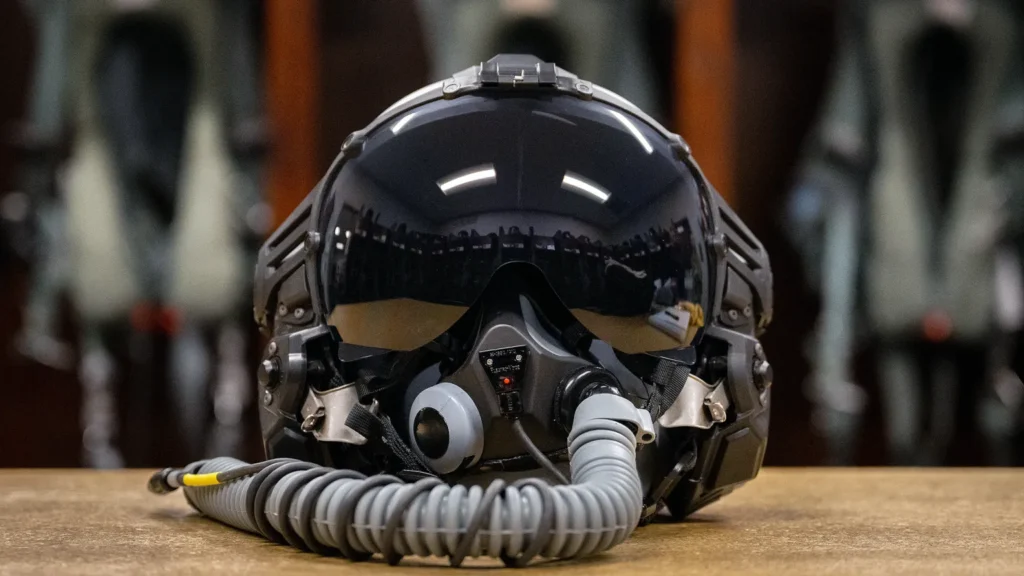
Ground support work may also become easier. Support airmen use power tools to install mounting brackets for night vision goggles and new heads up displays on the HGU-55/P, while the modular AV2.2 allows attachments to be swapped and new equipment added.
“From a pre-flight and build-up standpoint, the new helmet is much better,” Airman 1st Class Matthew Crouse, an aircrew flight equipment technician, said in the 2023 release.
Comfort is another selling point. The new helmet includes a liner that wicks moisture and rear vents, addressing the sweaty conditions that several pilots told Task & Purpose they experienced with the older helmets in 2021.
Development work remains, as LIFT continues to fine tune AV2.2 attachments for heads up displays and other devices. The precise purchase total and the order in which aircrews will receive helmets are still unclear.
Todd Lentz, LIFT’s chief revenue officer, told Task & Purpose that deliveries across the decade will depend on several variables. He cited the pilot population, the size and composition of the aircraft fleet, and the cost of each helmet.
Join the Discussion
COMMENTS POLICY: We have no tolerance for messages of violence, racism, vulgarity, obscenity or other such discourteous behavior. Thank you for contributing to a respectful and useful online dialogue.