The US military has disabled advertising tracking tools on government issued phones, computers, and other devices after revelations that foreign adversaries could purchase commercial data tied to American personnel.
The move closes a dangerous surveillance gap that should never have remained open this long.
The Army, Navy, Air Force, Marine Corps, and US Special Operations Command confirmed the action in responses shared with Congress.
Some branches acted only recently, with the Air Force acknowledging that it did not order the disabling of advertising trackers until July.
Sen. Ron Wyden of Oregon and Rep. Pat Harrigan of North Carolina disclosed those responses while requesting a review by the War Department inspector general.
They want investigators to determine whether existing security guidance adequately protects troops, military operations, and sensitive installations.
“The sale of location data, particularly that of U.S. government personnel, poses a serious threat to national security,” Wyden wrote.
Earlier congressional disclosures showed that foreign entities were using commercially available location information to monitor and potentially target American troops.
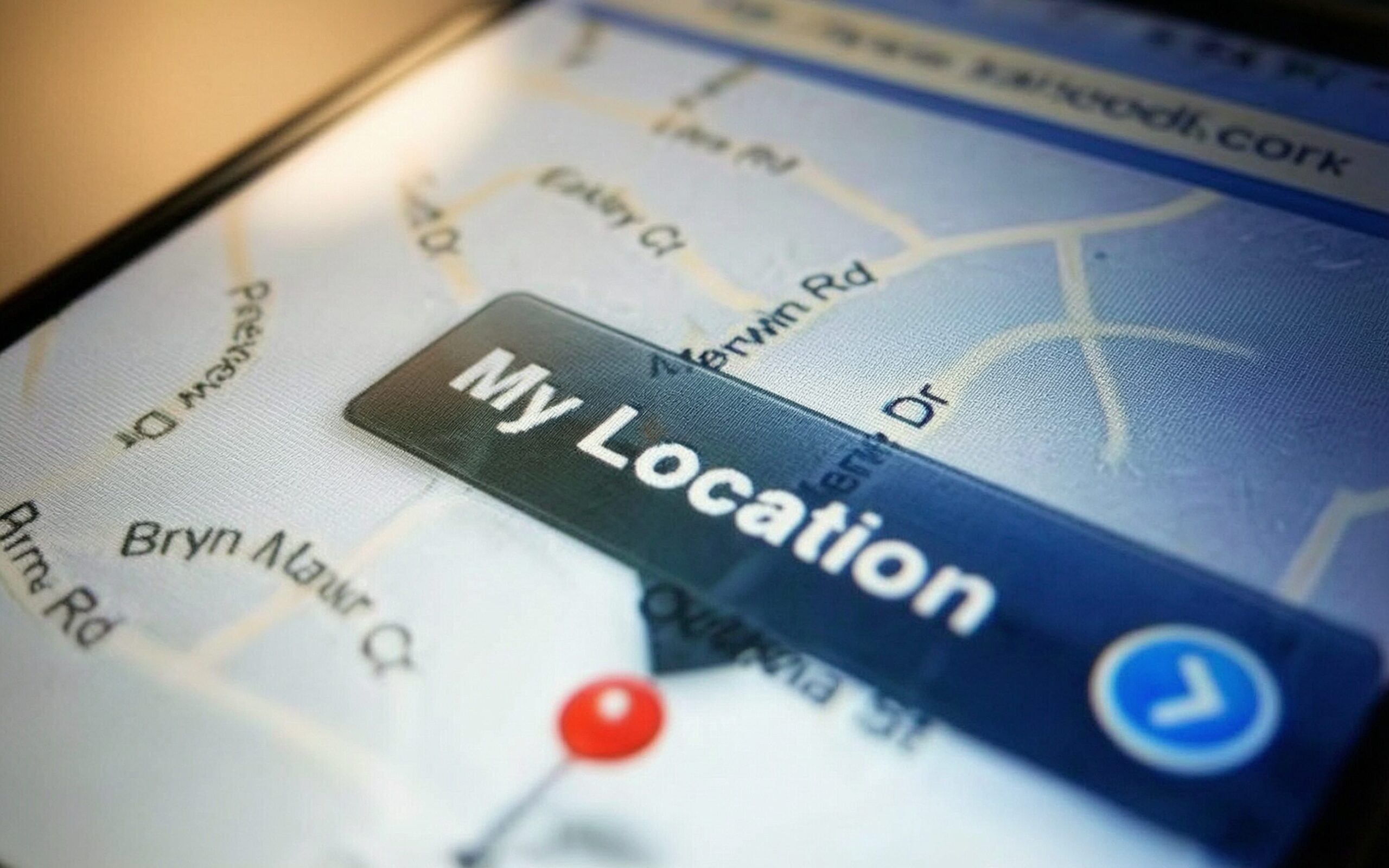
At the center of the concern are mobile advertising identifiers, commonly called MAIDs.
These unique numbers are connected to individual devices and are collected by applications to track locations, routines, frequently traveled routes, and other behavioral patterns valuable to advertisers and enemy intelligence services alike.
Eva Galperin, director of cybersecurity for the Electronic Frontier Foundation, called disabling MAIDs “a very simple and straightforward way that you can close a loophole.”
Although the identifiers are not the only method for tracking a device, eliminating them removes one major source of exploitable information.
“Minimizing the attack surface is always good, even if you don’t get the entire attack surface,” Galperin said.
In practical terms, the military has shut one digital window, but several others remain open for adversaries willing to buy data or scrape online activity.
Personal devices present the more stubborn problem because troops continue carrying phones into installations and operational areas despite restrictions.
Wyden and Harrigan described that exposure as “particularly alarming,” especially when one careless application can broadcast patterns around a base or reveal personnel movements.
The lawmakers asked the inspector general to determine whether personal electronics are now the primary source of leaked location information.
If they are, the office “should recommend concrete policy changes to eliminate this vulnerability, enforce technical controls on personal devices in sensitive areas, and safeguard [Department of War] personnel and OPSEC from commercial surveillance.”
Galperin noted that Wyden, a member of the Senate Intelligence Committee, has previously used public letters to draw attention to urgent matters that remain classified.
That context suggests the threat may be more serious than the limited details available to the public indicate.
Commercial tracking has troubled the armed forces for years, yet the threat became especially sharp during the American buildup in the Middle East before the war with Iran.
US Central Command issued stricter cybersecurity orders in December and updated them after hostilities began.
CENTCOM also warned troops that Iran was analyzing “reactions, photos, and footage from the cellphones” of American personnel to measure the effectiveness of attacks.
Despite those warnings, some service members continued using applications and internet features that collect location data, including fitness platforms that can map routines with remarkable precision.
The Department of the Navy recently warned sailors and Marines that a “coordinated, multidomain campaign” was targeting them through their digital footprints.
Among other precautions, personnel were advised to conceal their military connections online rather than handing enemy analysts a ready made personnel directory.
Historical commercial data collected before the trackers were disabled could still help adversaries identify routines, residences, and frequently visited locations.
Galperin said the information loses some value without real time updates, but it does not suddenly become harmless because the military finally flipped a setting.
The larger vulnerability remains the personal phone in a pocket, particularly for personnel deployed overseas or operating near sensitive facilities.
Galperin said those troops “probably shouldn’t be using them,” a blunt assessment that reflects the modern battlefield reality: convenience cannot outrank operational security when Iran and other adversaries are watching.
Join the Discussion
COMMENTS POLICY: We have no tolerance for messages of violence, racism, vulgarity, obscenity or other such discourteous behavior. Thank you for contributing to a respectful and useful online dialogue.