Iran circulated a dramatic video Wednesday that purported to show an American Saildrone unmanned surface vessel burning near the Strait of Hormuz after an attack by the Islamic Revolutionary Guard Corps.
The footage quickly spread across social media, where Tehran’s propaganda machine appeared eager to claim another trophy.
There was just one inconvenient problem for the Iranian regime.
The United States says none of its Saildrone vessels are missing, damaged, or sitting in the hands of the Revolutionary Guard.
Here's What They're Not Telling You About Your Retirement
MORE NEWS: Georgia Guard Helicopters Sweep All 159 Counties to Spot Marijuana Grows for Police Warrants
“All of our Saildrones are accounted for and fully operational,” an official said.
That direct response sharply contradicts Iran’s apparent effort to portray the burning vessel as captured American military technology.
The video does not independently establish that the vessel belonged to the United States.
Iran’s presentation may generate attention online, but dramatic flames and regime messaging are not substitutes for verified identification.
This Could Be the Most Important Video Gun Owners Watch All Year
The episode follows a separate incident involving an Anduril Dive LD autonomous underwater vehicle on Sept. 8.
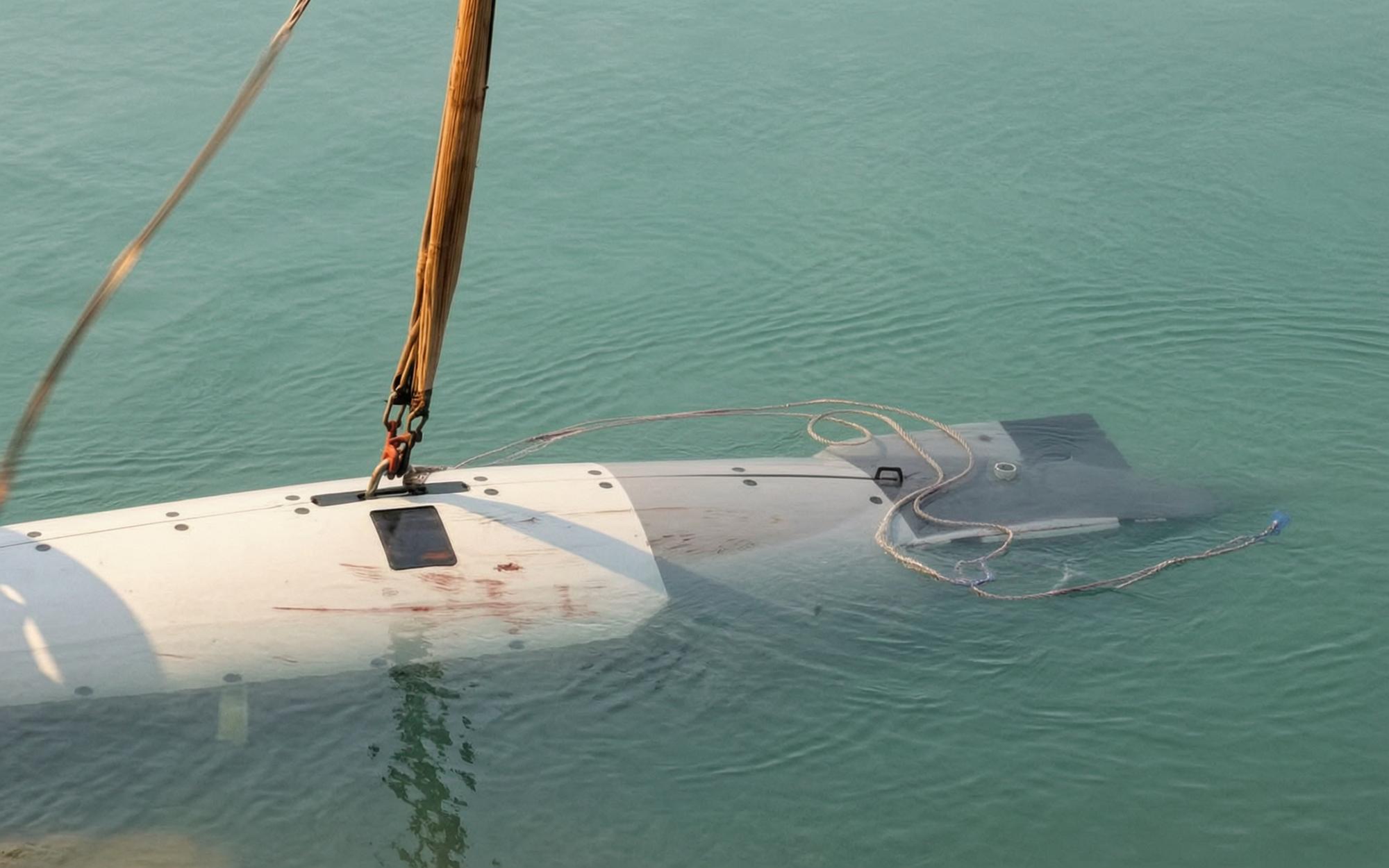
That platform, which is designed for long range surveillance and other undersea missions, was captured after it became defective.
U.S. Navy Capt. Tim Hawkins of U.S. Central Command told Reuters that the “defective drone was an older model that neither collected sensitive data nor carried any classified sonar or radar equipment.” In other words, Tehran did not exactly haul away the crown jewels of American undersea warfare.
Still, Iran is likely to squeeze every possible propaganda point from any American made system that drifts within reach.
The Revolutionary Guard routinely uses military spectacle and selective claims to project strength both inside Iran and across the region.
“Of course Iran will take every opportunity as a propaganda win,” Farzin Nadimi, a senior fellow at the Washington Institute for Near East Policy, told Reuters.
He added, “It can help the (Islamic Revolutionary Guard Corps) make better versions of their own designs.”
That possibility gives American planners a reason to monitor even older and less sensitive systems operating near hostile forces.
While the captured Dive LD reportedly contained no classified sonar, radar, or sensitive information, physical access could still allow Iranian engineers to study basic construction and design choices.
The Saildrone claim, however, remains refuted by the American official’s statement that the entire fleet is accounted for and operational.
Unless Iran produces verifiable evidence, its latest video looks more like information warfare than a confirmed battlefield success.
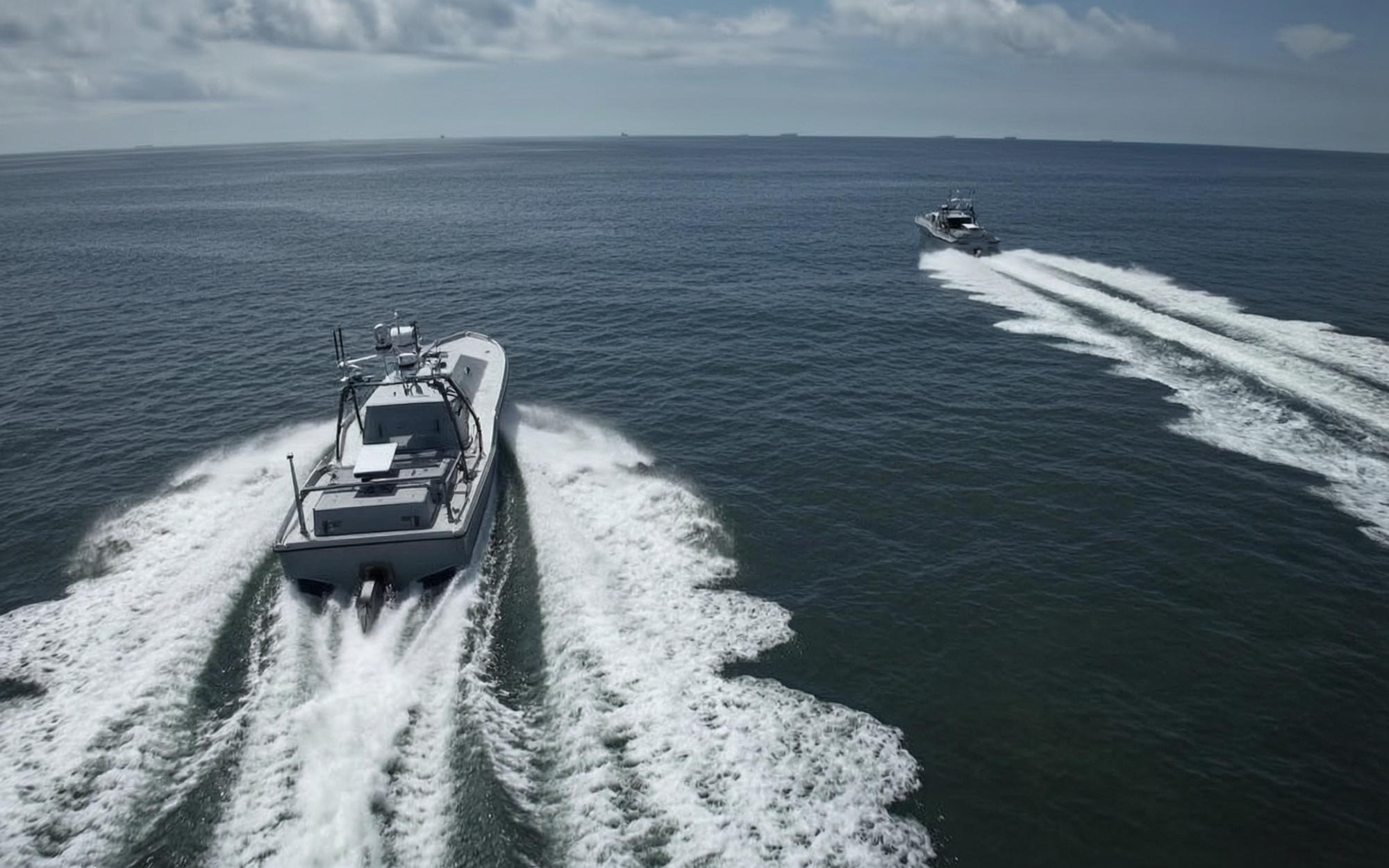
Saildrone platforms have become increasingly useful to the Navy because they can conduct persistent surveillance without placing sailors aboard vulnerable vessels.
Their endurance allows commanders to watch broad maritime areas while reserving crewed ships and aircraft for missions requiring greater force or direct human involvement.
The Navy recently awarded Saildrone Voyager a $16.3 million task order to continue operations by the Voyager fleet in the Caribbean and Eastern Pacific, according to an August company release. Those missions support American efforts to track suspicious maritime activity across the southern approaches to the United States.
Since 2023, Saildrone unmanned surface vessels have operated in coordination with the Navy, Joint Interagency Task Force South, and United States Naval Forces Southern Command and Fourth Fleet. That partnership places the technology within a wider network focused on maritime awareness, surveillance, and regional security.
The Voyager measures 33 feet in length and is built for persistent surveillance above and below the water.
It can also perform nearshore mapping missions and characterize the seafloor, giving commanders additional information about coastal and underwater environments.
According to the company, the vessels can remain “on mission and on station” for months at a time.
That endurance makes the platforms valuable across enormous stretches of ocean where constant coverage by conventional ships would demand far more personnel, fuel, and money.
Saildrone describes the vessels as “both a deterrent and an alarm” along America’s expansive southern maritime border.
Iran may enjoy posting fiery videos, but the official American account is clear: every Saildrone is present, functioning, and still doing its job.
Join the Discussion
COMMENTS POLICY: We have no tolerance for messages of violence, racism, vulgarity, obscenity or other such discourteous behavior. Thank you for contributing to a respectful and useful online dialogue.