America’s fighter pilots are flying far too little to meet the Air Force standard for combat mission readiness, according to a Mitchell Institute for Aerospace Studies expert.
The alarming shortfall leaves pilots receiving only a fraction of the training sorties required for a high end fight.
An average fighter pilot needs roughly nine or 10 sorties every month to qualify as combat mission ready, according to previous service statements.
Yet pilots assigned to nondeployed aircraft in the United States and “other locations” are now getting only about one sortie per month.
Here's What They're Not Telling You About Your Retirement
John Venable, a senior resident fellow at the Mitchell Institute, disclosed the figure after speaking with commanders and line pilots.
He presented the readiness assessment during a Friday roundtable hosted by the institute.
The last publicly released Air Force data showed pilots flying approximately five and a half sorties per month in fiscal 2023.
Even then, aviators were receiving only about 60 percent of the flight activity they needed.
This Could Be the Most Important Video Gun Owners Watch All Year
“That has withered again in the last couple of years, and the Air Force has stopped reporting it,” Venable said.
Keeping the public in the dark does not put more aircraft in the air, nor does it sharpen pilots for combat.
The shortage extends beyond flying hours and reaches directly into the service’s personnel ranks.
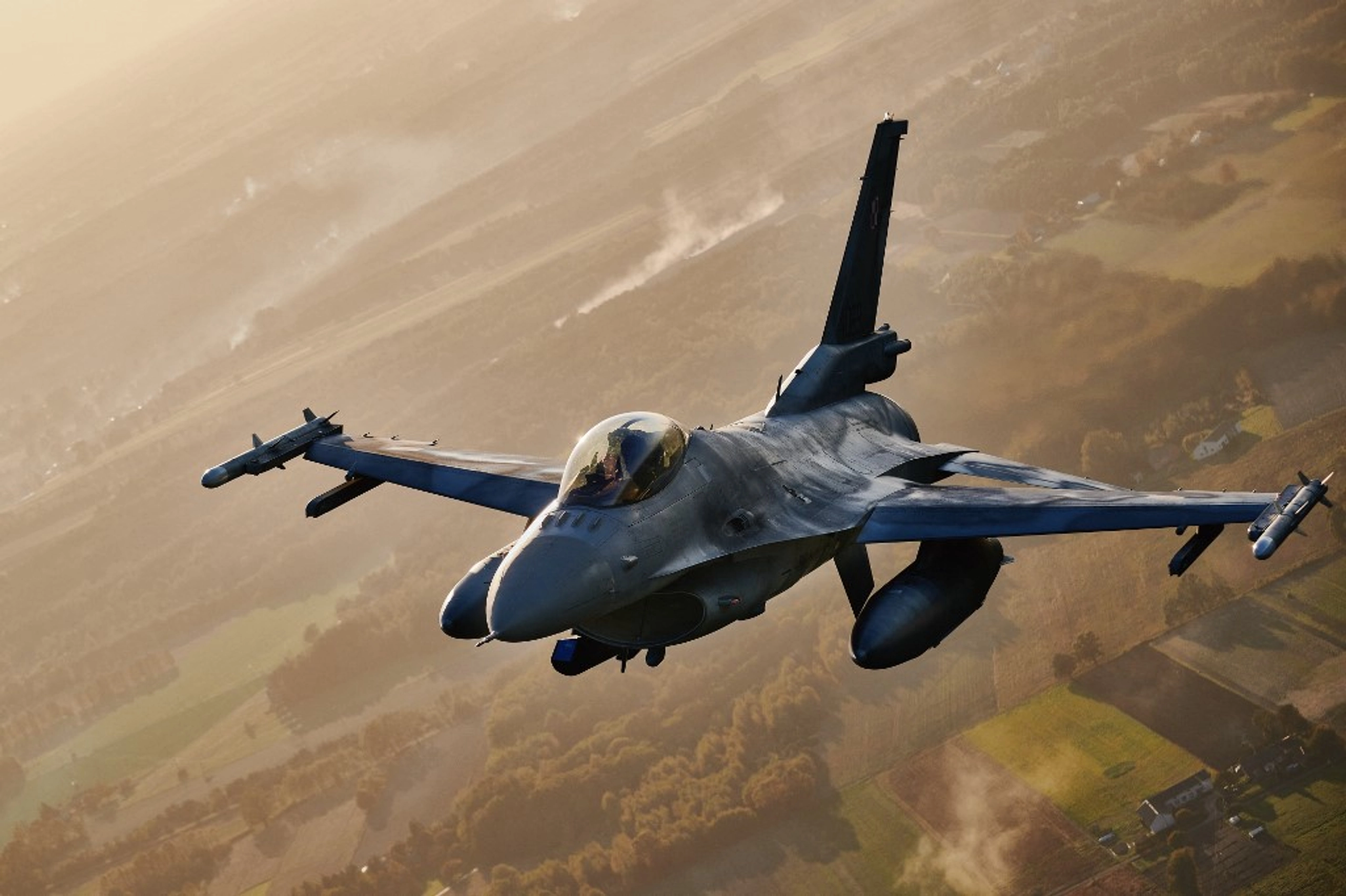
Venable said the official pilot shortage remains around 2,000, although anecdotal information indicates the real deficit has climbed to approximately 2,400 pilots.
The maintenance side also took a serious blow under former Air Force Secretary Frank Kendall during the Biden administration.
Funding tied to 6,000 aviation maintenance positions was redirected toward other priorities in fiscal 2025, a decision Venable said “exacerbated itself into the readiness scheme.”
That Biden era reshuffling now looks especially reckless as global threats expand and American aircrews face mounting operational demands.
Fighter aircraft cannot generate sorties without maintainers, parts, training resources and enough pilots to fill cockpits.
The readiness gap became particularly visible during Rising Lion and Midnight Hammer, the Israeli and U.S. operations conducted against Iranian nuclear and military infrastructure in June 2025. Venable said American air superiority “came on the backs” of Israeli forces because their pilots were flying at a dramatically higher rate.
Israeli pilots are reportedly flying about 20 sorties every month, while line pilots receive between 25 and 30 flight hours.
![Passenger Ejected During F-15 Ride-Along on Flight Line at Barnes Air National Guard Base [WATCH]](https://www.commondef.com/wp-content/uploads/2025/08/2025.08.16-04.55-commondefense-68a0b7ed60074.avif)
That tempo is not merely a comfortable advantage but the kind of repetition that builds instincts, coordination and survivability under combat pressure.
Operation Epic Fury has involved 25 U.S. squadrons containing about 325 aircraft, according to Mitchell Institute data shared during the roundtable.
Those aircraft come from an active inventory of 1,084, of which only 634 were considered mission capable based on fiscal 2024 figures.
The scale is a sobering contrast with Operation Desert Storm, when the Air Force alone deployed roughly twice as many aircraft.
America may possess advanced fighters and precision weapons, but limited capacity can still become a strategic vulnerability when multiple crises erupt.
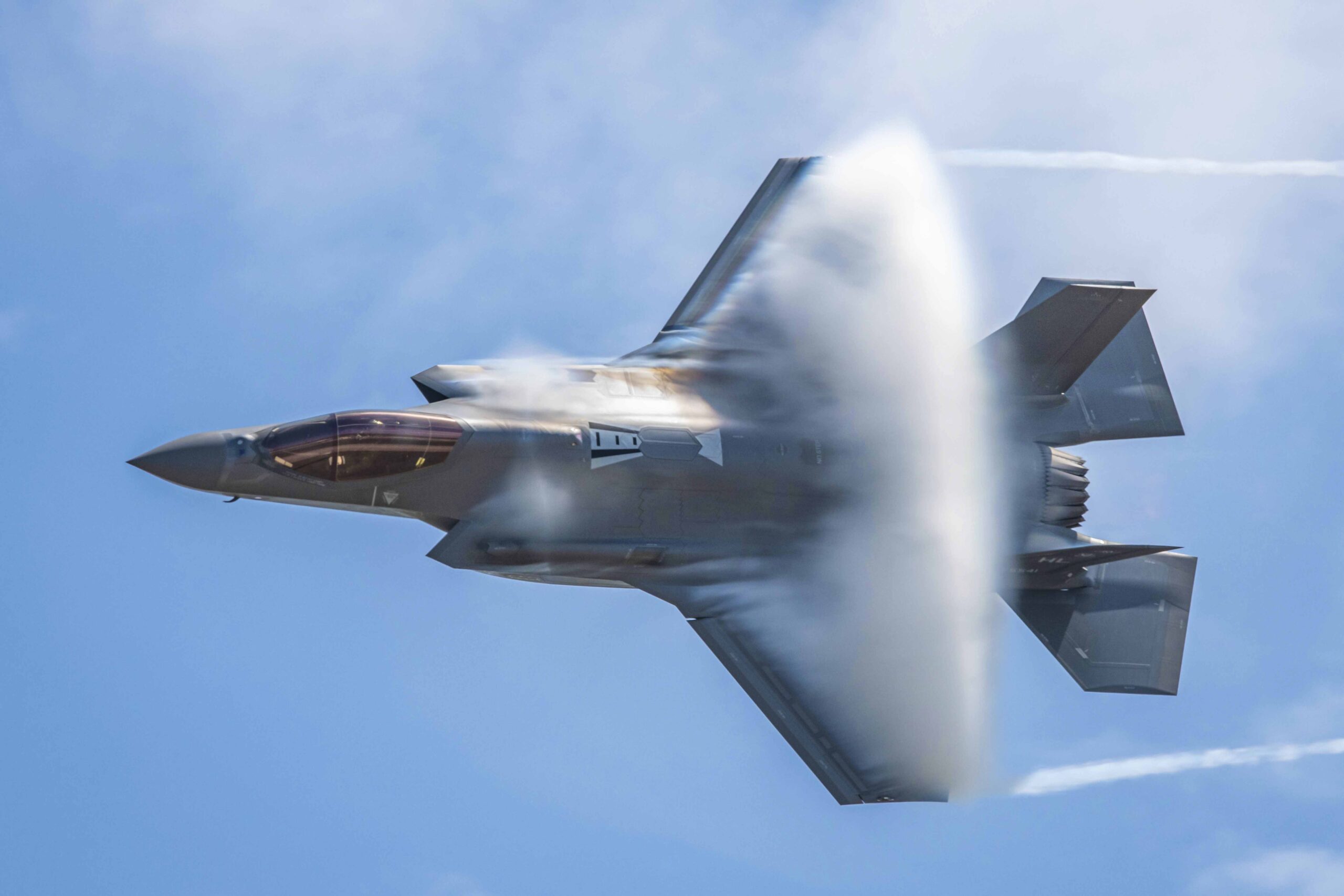
“If you look schematically at the whole picture, 325 aircraft, combat-coded fighter aircraft, is half of what we had in Desert Storm, and it’s about all we can muster today,” Venable said.
That is hardly the margin a global superpower wants when facing China, Russia, Iran and other hostile actors.
An April White House release reported that more than 10,200 total air sorties had been flown in Epic Fury overall, along with more than 13,000 combat flights.
Those numbers demonstrate the intense demands placed on available crews and aircraft when major operations move beyond planning slides and into real missions.
Flying hours have troubled Air Force leaders for years, with pilots receiving roughly 17 hours per month in fiscal 2017. More recently, the Department of the Air Force’s fiscal 2027 budget request funded 1.1 million hours through the Flying Hours Program, described as the “maximum executable level for the total force.”
For President Trump and War Secretary Pete Hegseth, the figures reveal the scale of the readiness repair job left behind after years of misplaced priorities.
Combat aviation cannot be rebuilt through slogans or bureaucratic accounting because pilots must fly, maintainers must have resources and commanders must be able to train forces at warfighting tempo.
Join the Discussion
COMMENTS POLICY: We have no tolerance for messages of violence, racism, vulgarity, obscenity or other such discourteous behavior. Thank you for contributing to a respectful and useful online dialogue.