WHAT YOU NEED TO KNOW
- Approximately 1,300 dependents were evacuated from Naval Support Activity Bahrain more than six months ago.
- Families outside Bahrain remain unauthorized to return for household goods, vehicles and pets because of security concerns.
- Service members outside Bahrain may designate representatives to manage property shipments on their behalf.
- Affected families must report a designated place by Nov. 30 to secure relocation, housing and separation entitlements.
More than six months after approximately 1,300 dependents were evacuated from Naval Support Activity Bahrain, some Navy families remain separated from household goods, vehicles and pets.
Those families still are not authorized to return and collect what they left behind.
The Navy said family members and personnel deemed nonessential who remain outside Bahrain cannot return because of continuing security concerns.
Service members stationed elsewhere can instead appoint someone to handle their property in Bahrain.
Here's What They're Not Telling You About Your Retirement
“Service members and affiliated civilians are responsible for initiating the household goods move process from temporary safe havens and from Bahrain with their chain of command,” a Navy spokesperson said.
“Service members currently located in Bahrain can ship their household goods and vehicles in person, and those who are located outside Bahrain can designate a representative to act on their behalf.”
That process has not settled the concerns of everyone affected. One sailor based in Bahrain, who received anonymity because of concerns about reprisal, described the system for handling abandoned belongings as frustrating and unclear.
Chief of Naval Operations Adm. Daryl Caudle hosted a town hall on Aug. 31 that addressed the situation.
This Could Be the Most Important Video Gun Owners Watch All Year
During the meeting, Caudle said troops would not be returning to Bahrain “anytime soon.”
According to the sailor, the town hall did little to ease concerns about how household goods would be processed.
Families remain dependent on Navy procedures while being barred from personally returning to retrieve their property.
Another sailor, who also requested anonymity, said uniforms were among the personal items destroyed during the events that prompted the evacuation.
MORE NEWS: Lockheed Expands Vectis Drone Push with Four More Aircraft as 2027 Flight Stays on Target
Months afterward, the sailor still had been unable to replace them.
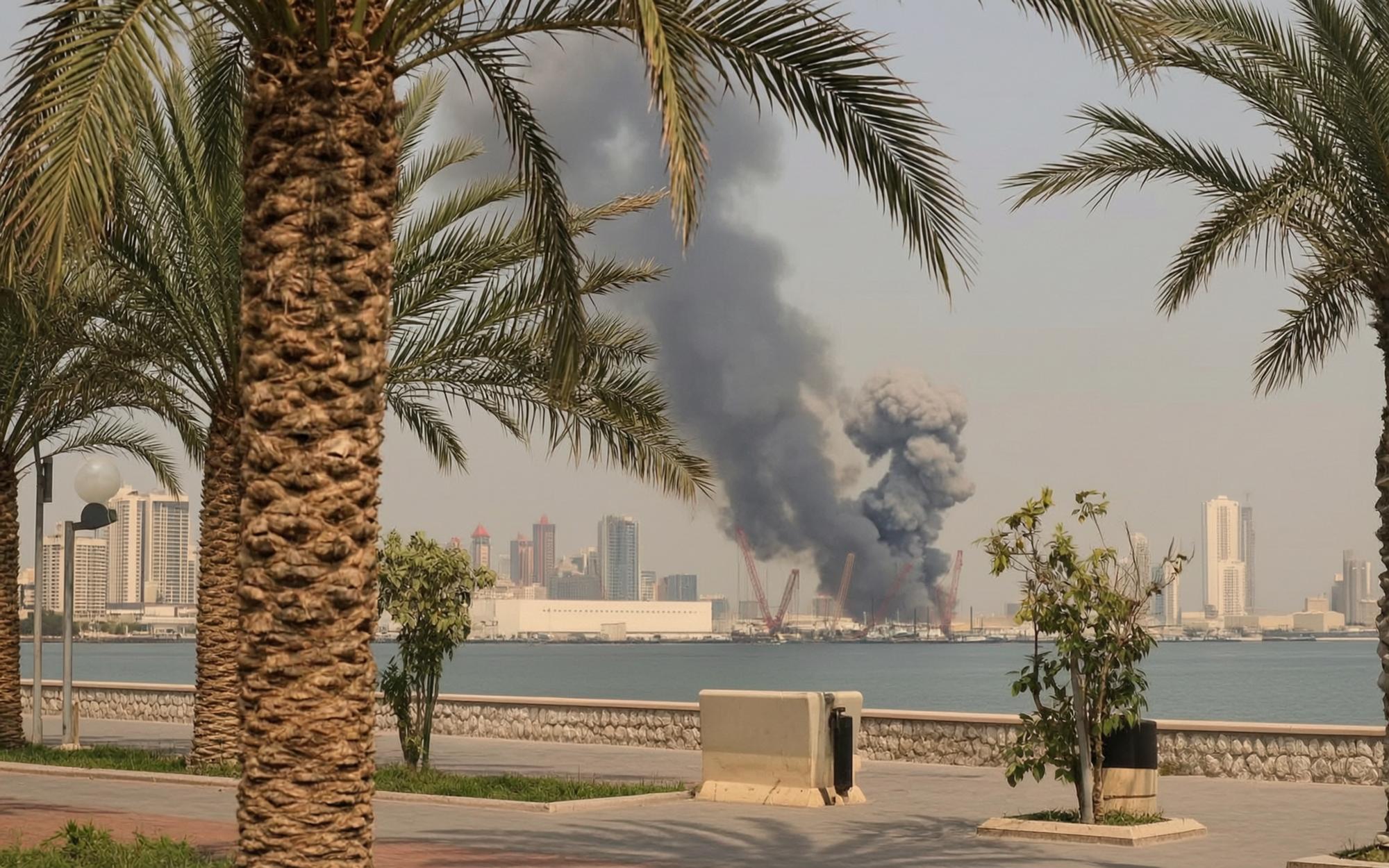
The sailor said an insurance company requested additional confirmation from the commanding officer, even though a Navy memorandum documented the destruction.
That additional requirement further delayed replacement of the uniforms.
“It’s just another expense I cannot afford right now, and it’s frustrating having to wait for the funds to get what I need,” the sailor said.
Other evacuated families face the painful problem of pets left in Bahrain. One military spouse said the family did not have enough time to gather everything before departing.
The family’s Great Dane could not be accommodated during the evacuation, forcing them to leave the dog with local people they barely knew. The separation has weighed heavily on both the spouse and the children.
“I don’t know if we’ll ever get him back,” the Navy spouse told Military Times. “I don’t know what to tell my kids, but it’s been really hard on all of us.”
The Navy said it continues offering affected service members, families and civilian personnel “timely information, individual case management and relocation support.”
Yet a separate Navy frequently asked questions document said the service was still determining what would happen to personal property remaining in Bahrain.
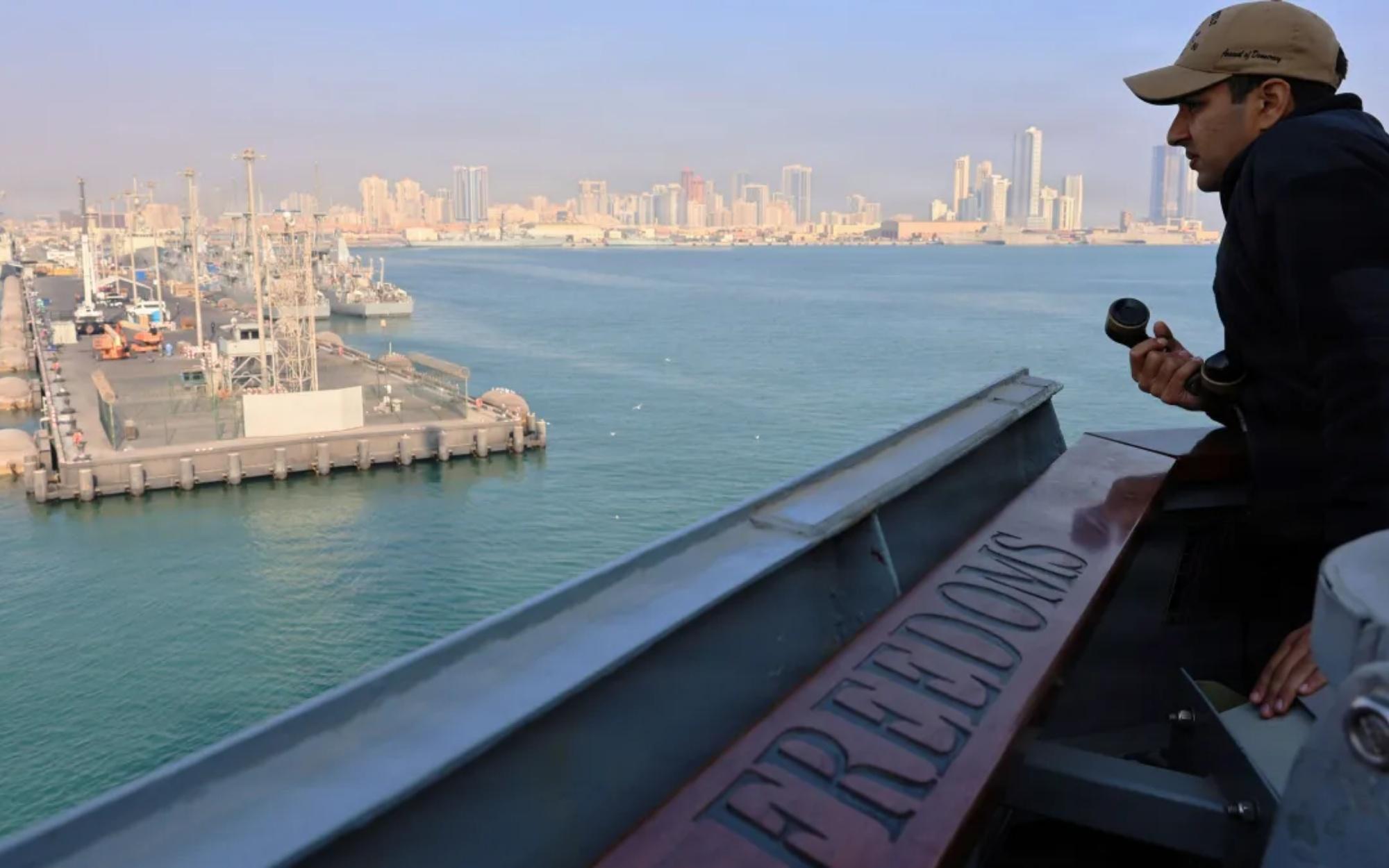
According to that document, household goods shipments that could not be delivered would be placed in government storage while awaiting an “all clear.”
The Navy has not authorized affected families outside Bahrain to return personally for their belongings.
Families who remain barred from returning must establish and report a designated place by Nov. 30.
That step is required to secure relocation, housing and separation entitlements, according to a Navy spokesperson.
The service has also requested data showing how many household goods moves involve families affected by the evacuation.
MORE NEWS: Air Force Colonel Reveals Harrowing ‘Dude 44’ Rescue That Put Nearly 100 Troops Inside Iran [WATCH]
The Navy said it would provide those figures if they become available.
For now, service members who remain in Bahrain can ship their own household goods and vehicles in person. Those outside the country must depend on a designated representative while families continue waiting for possessions, vehicles and pets left behind.
Join the Discussion
COMMENTS POLICY: We have no tolerance for messages of violence, racism, vulgarity, obscenity or other such discourteous behavior. Thank you for contributing to a respectful and useful online dialogue.