WHAT YOU NEED TO KNOW
- USS Abraham Lincoln and Carrier Strike Group 3 reached Guam as their deployment entered its 10th month.
- The Guam stop marked the personnel’s first return to American soil in nine months.
- Lincoln previously spent more than 260 days without a scheduled port call amid reported morale and mental health concerns.
- USS George Washington replaced Lincoln in the U.S. 5th Fleet area of operations.
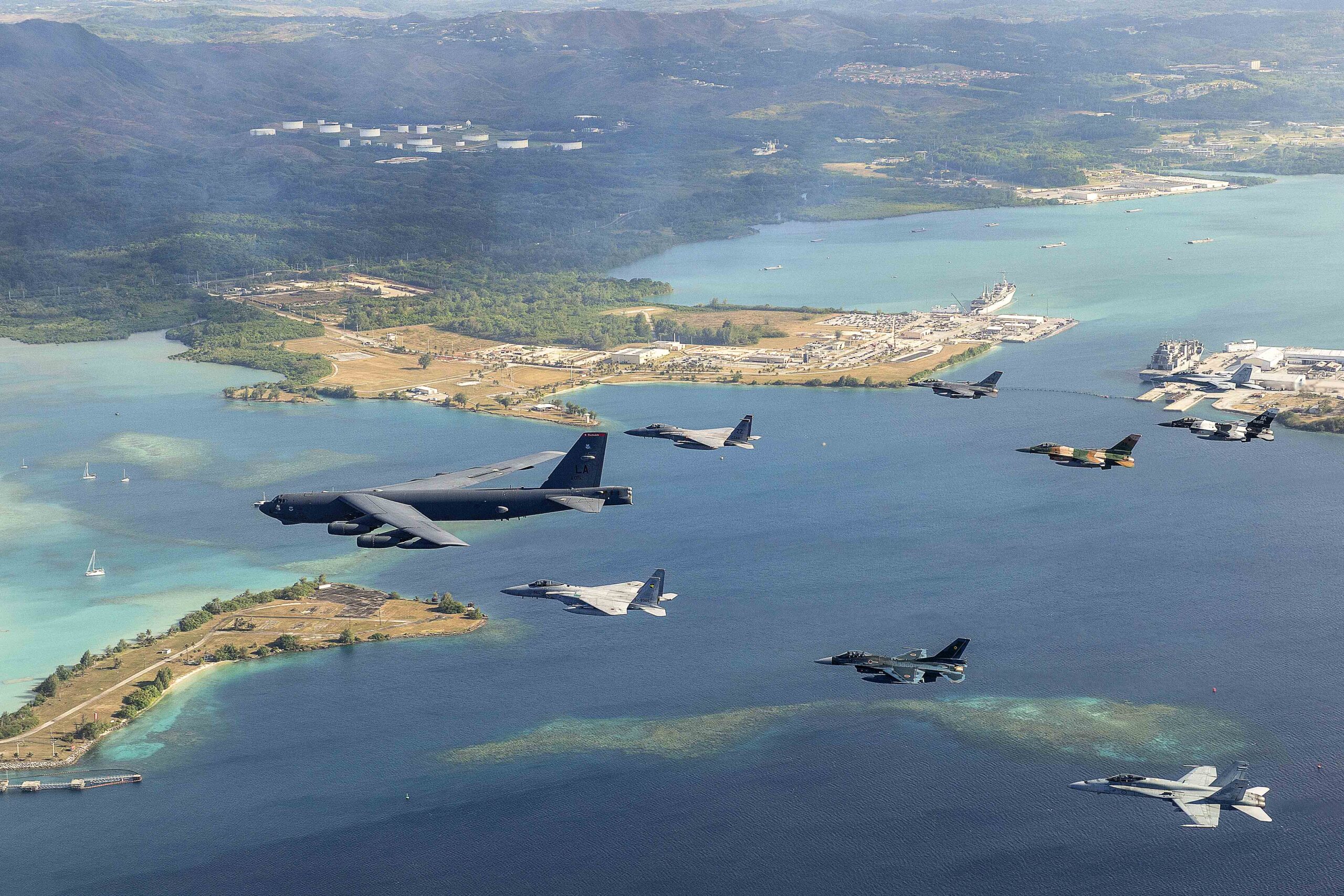
The Nimitz class aircraft carrier USS Abraham Lincoln reached Guam on Saturday alongside Carrier Strike Group 3, beginning a short logistics stop as the deployment entered its 10th month.
The arrival marked another milestone in a mission that began in California in November 2025.
Lincoln departed Naval Station North Island in San Diego, California, on Nov. 21, 2025. The carrier later joined U.S. Naval forces in the Middle East to support combat operations during the Iran war.
The Guam stop represented the first return to American soil in nine months for personnel assigned to Carrier Strike Group 3.
During the visit, those personnel were expected to receive liberty at the base.
“The stop on Naval Base Guam marks CSG-3 personnel’s first return to American soil in nine months, during which personnel will be afforded on-base liberty,” the Navy said.
Lincoln serves as the flagship of Carrier Strike Group 3. The carrier arrived with the Arleigh Burke class guided missile destroyer USS Frank E. Petersen Jr., adding another major vessel to the Guam port call.
The embarked staffs of Carrier Air Wing 9 and Destroyer Squadron 21 also arrived with the ships.
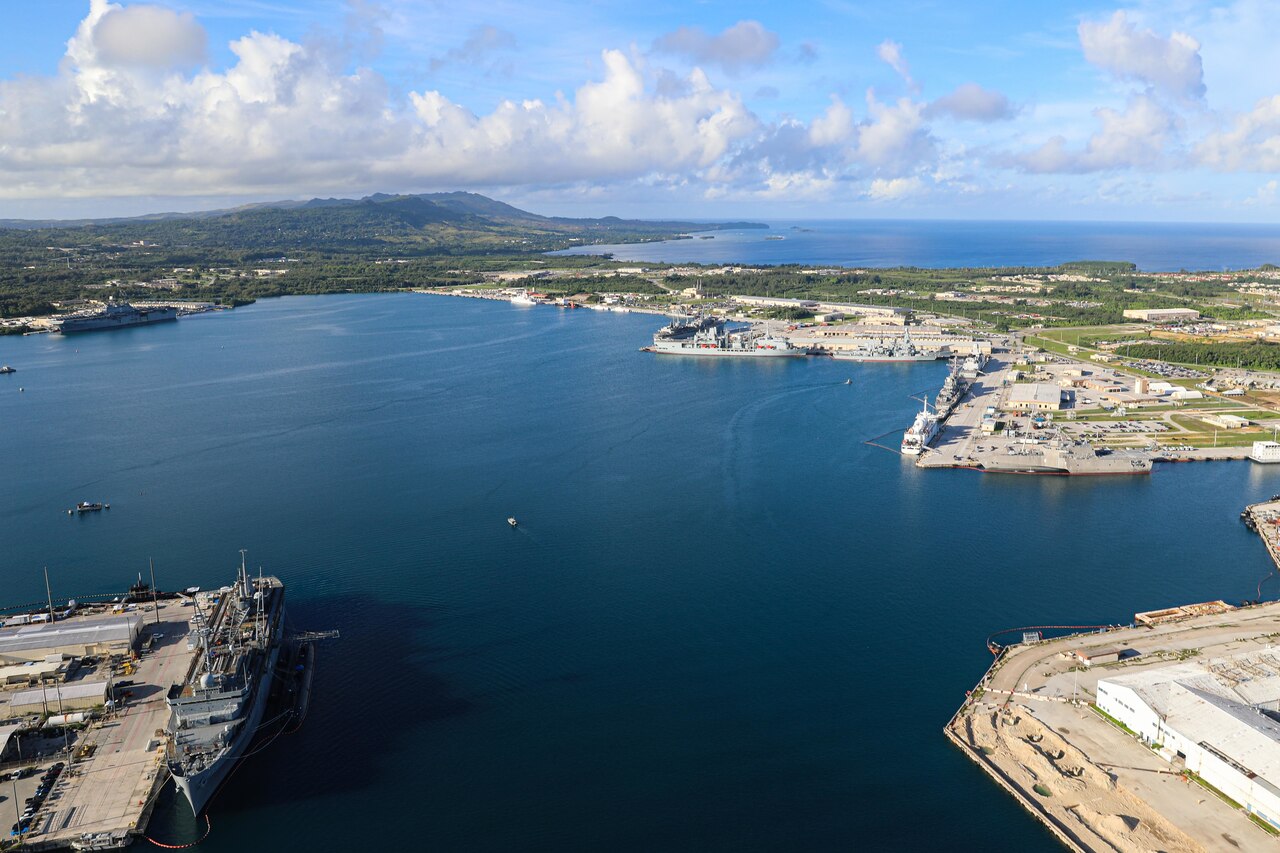
Their presence reflects the broader strike group organization operating around the carrier during the deployment.
Before reaching Guam, Lincoln had gone more than 260 days without a scheduled port call. That long stretch at sea unfolded as concerns emerged about mental health and declining morale aboard the ship.
Two sailors attempted to jump overboard during the deployment, according to the source report.
Revelations concerning those incidents became public before Lincoln departed the Middle East.
Military family members also raised their concerns directly with Navy officials.
During an August town hall meeting in San Diego, California, family members expressed frustration over reported food shortages and concerns involving self harm.
Questions about access to mental health care also followed the carrier. A sailor who served aboard Lincoln during its most recent deployment described waits lasting weeks before sailors could see licensed mental health clinicians aboard the ship.
Those reported delays complicated access to the available mental health resources, according to the sailor’s account.
The concerns joined the broader complaints about conditions, morale and the prolonged time without scheduled port visits.
Lincoln left the Middle East shortly after the attempted overboard incidents came to light. USS George Washington replaced the carrier in the U.S. 5th Fleet area of operations.
After leaving the Middle East, Lincoln reached Thailand on Sept. 2, 2026. That visit became the second scheduled port call of the deployment, following the carrier’s extended period without one.
The subsequent Guam arrival carried a different distinction because it returned Carrier Strike Group 3 personnel to American soil. It also provided the strike group with a short logistics stop while the deployment continued.
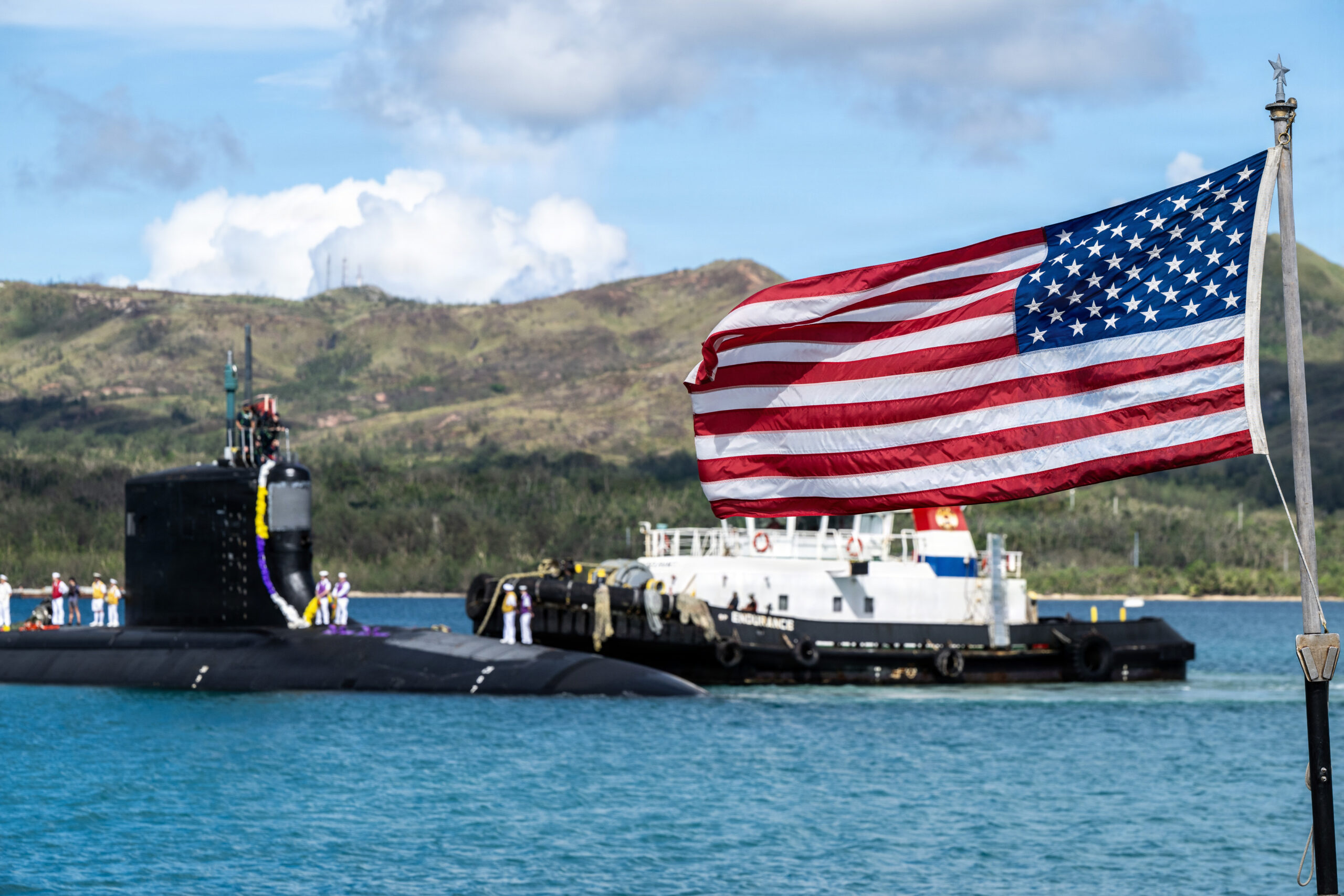
Lincoln is now conducting routine operations in the U.S. 7th Fleet area of operations.
The deployment follows another notably lengthy carrier mission involving USS Gerald R. Ford.
Ford set the record for the longest deployment since Vietnam when it returned from the Middle East in May after 326 days.
For Lincoln’s sailors, the calendar remains blunt.
The strike group has entered its 10th month after supporting Middle East combat operations, enduring more than 260 days without a scheduled port call and confronting reported concerns involving food, morale and mental health care.
Join the Discussion
COMMENTS POLICY: We have no tolerance for messages of violence, racism, vulgarity, obscenity or other such discourteous behavior. Thank you for contributing to a respectful and useful online dialogue.