WHAT YOU NEED TO KNOW
- The Air Force completed two acquisition milestones advancing engine and radar upgrades for the B-52 fleet.
- The $20.2 billion engine program will replace TF33 engines with Rolls-Royce F130 engines and modernize supporting aircraft subsystems.
- Structural assessments projected sufficient B-52 airframe fatigue life for operations into the 2050s and beyond.
- Radar production contracts cover APQ-188 systems from Raytheon Technologies and 74 aircraft integration kits from Boeing.
The U.S. Air Force has completed two major acquisition milestones in its drive to modernize the B-52 Stratofortress fleet.
The decisions advance separate engine and radar upgrades for the strategic bomber.
The modernization effort is intended to keep the B-52 viable through 2050 as part of the Nuclear Triad, while preserving its long range strike capability.
The milestones allow both upgrade programs to move into their next acquisition stages.
The B-52J Commercial Engine Replacement Program received Milestone B approval on June 1, allowing the engine work to enter development.
The B-52 Radar Modernization Program received Milestone C approval on Aug. 21, clearing its radar upgrades to begin production.
Brig. Gen. Timothy Spaulding, portfolio acquisition executive for Bombers and director of the Air Force Life Cycle Management Center’s Bombers Directorate, emphasized the combined effect of the programs.
“These programs are delivering the propulsion reliability, sensor capability and electrical power needed to keep this legendary bomber viable, lethal, and supportable well into the future,” Spaulding said in the release.
The Commercial Engine Replacement Program, known as CERP, will replace the B-52 fleet’s original TF33 engines with Rolls-Royce F130 engines.
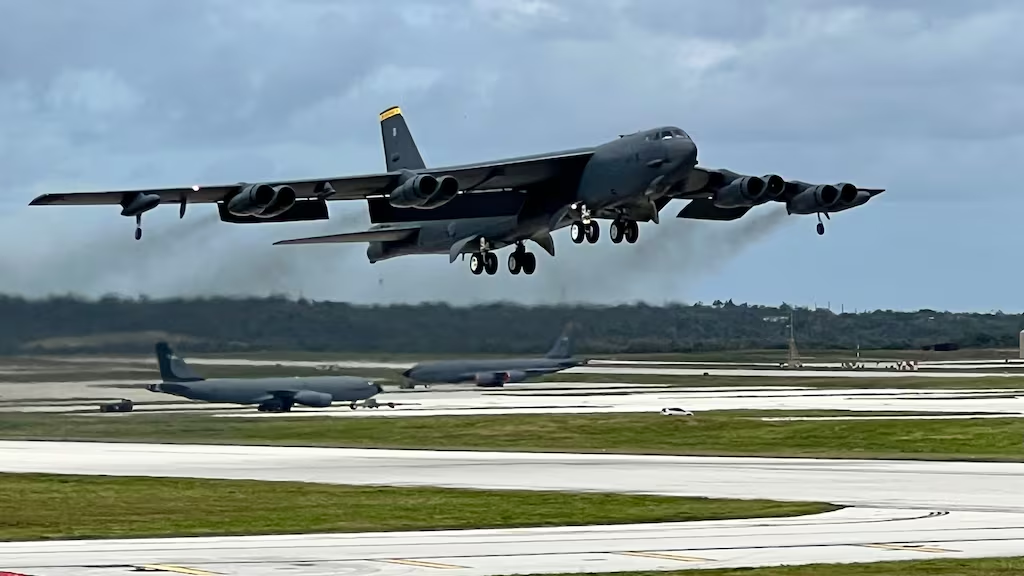
It also modernizes supporting subsystems, including cockpit displays, generators and hydraulic pumps.
Milestone B establishes the program’s first official Acquisition Program Baseline and authorizes entry into the Engineering and Manufacturing Development phase.
The total acquisition cost was set at $20.2 billion, covering research, development, test and evaluation, procurement and military construction.
Only $2.6 billion of that total cost has been spent since 2018. The remaining work will include the development, testing, procurement, construction and aircraft modification activities identified in the acquisition program.
Two test aircraft are currently flying operational missions after undergoing recent depot maintenance.
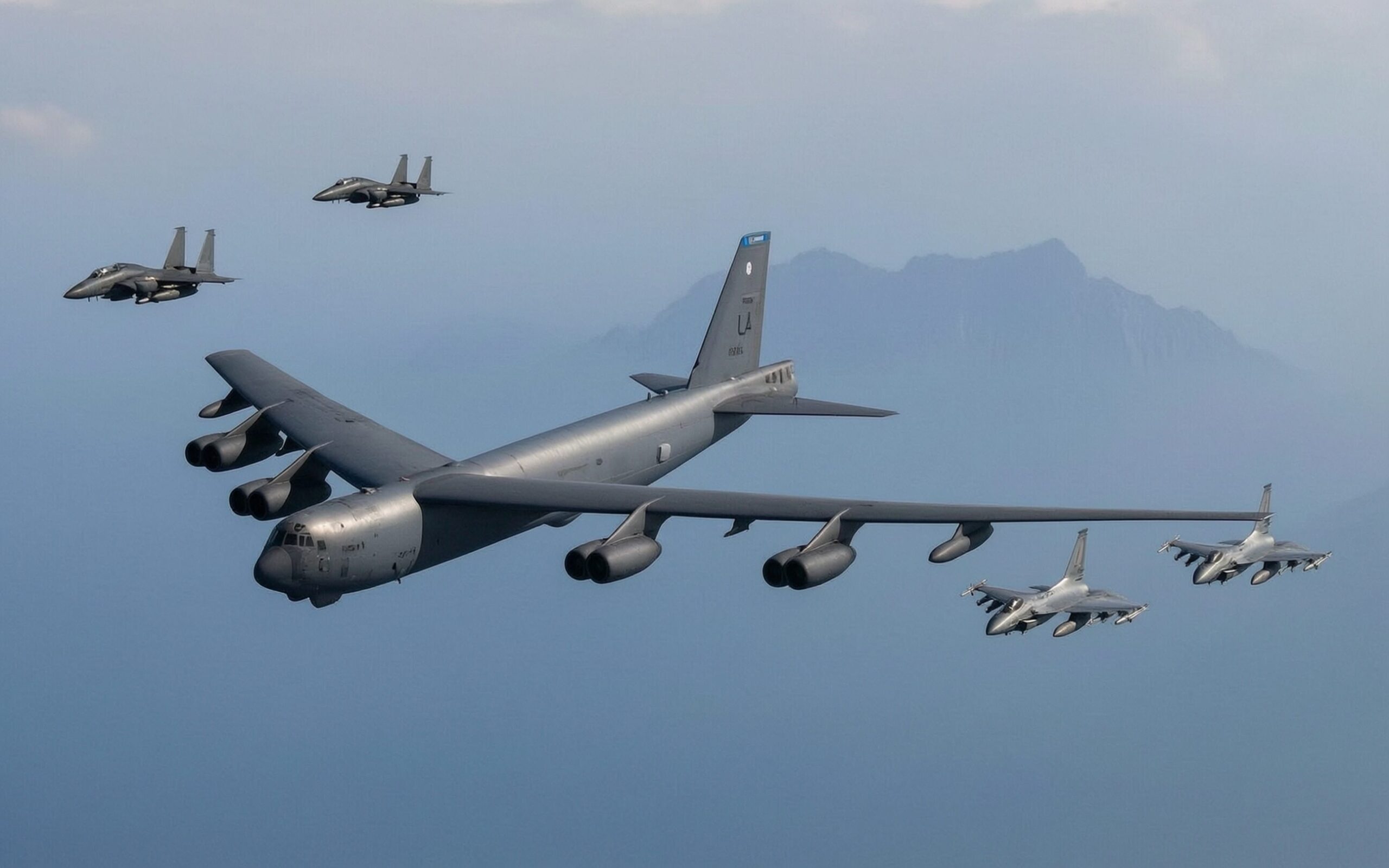
Both aircraft are scheduled to enter modification at Boeing’s San Antonio facility in the coming months, where they will receive the CERP and radar modernization upgrades.
The program office also conducted structural assessments across the B-52 fleet as part of Milestone B.
Those reviews examined whether the aircraft could safely accommodate new engines, increased electrical power generation and decades of additional operations.
The release described the results as confirmation that the bomber retains considerable structural life despite the age of its original design and construction.
“These assessments confirmed that the B-52’s airframe — originally designed in the late 1940s and built into the early 1960s — retains substantial structural life,” the release reads. “Analyses project the airframes will have sufficient fatigue life to support operations well into the 2050s and beyond.”
The B-52 Radar Modernization Program, known as RMP, will replace the APQ-166 analog radar from the 1980s with the APQ-188.

The new system is an Active Electronically Scanned Array Radar that the release characterized as a cousin of the radars used by the F-15 and F/A-18.
Milestone C authorized Low Rate Initial Production for the radar effort. On the same day, the program awarded production contracts to Raytheon Technologies for the radars and Boeing for 74 aircraft integration kits.
A June 2026 Production Readiness Review determined that the systems could be built reliably and were prepared for initial production, according to the statement.
That review, paired with the acquisition approvals, moves both modernization programs further toward equipping the operational B-52 fleet.
Join the Discussion
COMMENTS POLICY: We have no tolerance for messages of violence, racism, vulgarity, obscenity or other such discourteous behavior. Thank you for contributing to a respectful and useful online dialogue.