WHAT YOU NEED TO KNOW
- Boris Pistorius wants U.S. approval to manufacture PAC-3 MSE interceptors in Germany and ease global supply shortages.
- Germany’s MBDA already produces PAC-2 interceptors, while Lockheed Martin manufactures the more advanced PAC-3 MSE.
- Any European production would depend largely on support from the U.S. government and Lockheed Martin.
- Closely guarded interceptor capabilities and the business value of Patriot production complicate any move to manufacture the missiles abroad.
German Defense Minister Boris Pistorius is pressing U.S. defense leaders to permit production of PAC-3 MSE interceptor missiles in Germany.
He argues that another manufacturing site could help relieve a glaring global supply chain shortage affecting the vital air defense weapons.
Pistorius provided additional details about the proposal Wednesday in Berlin.
His comments followed an agreement reached with his U.S. counterpart, Pete Hegseth, during a meeting at the Pentagon last week.
According to Pistorius, the agreement reflects Germany’s willingness to manufacture every element of the Patriot value chain.
That ambition includes PAC-2 and PAC-3 interceptors, launchers, and the other components involved in the system.
Berlin is also willing to manufacture other American weapons that are in short supply among allied countries.
The proposal therefore reaches beyond a single interceptor and presents Germany as a potential manufacturing base for scarce U.S. weaponry.
Germany already has a foothold in Patriot interceptor production through MBDA. The company manufactures PAC-2 interceptors, which are a Raytheon product, giving Germany an existing role in the Patriot supply chain.
The more advanced and more expensive PAC-3 MSE interceptor is manufactured by Lockheed Martin.
Lockheed Martin has a longstanding cooperation agreement in Germany with Rheinmetall, including work in the missile sector.
That existing industrial relationship places major defense companies near the center of any possible expansion.
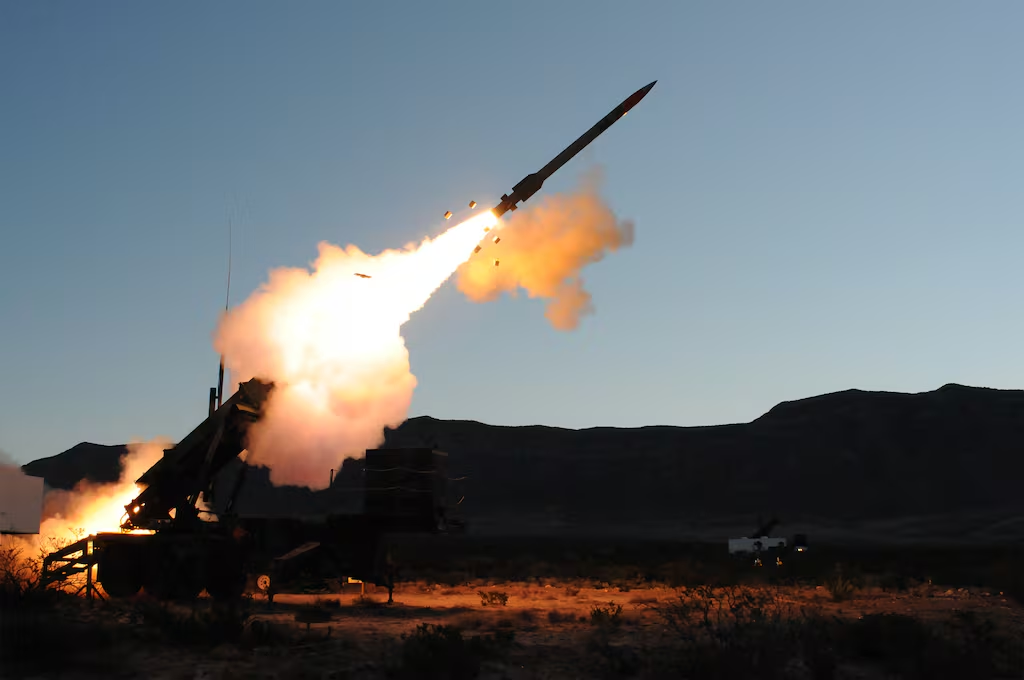
However, PAC-3 production in Germany or elsewhere in Europe will depend largely on whether the U.S. government and Lockheed Martin support the idea.
The exact scope of any work conducted outside the United States would also matter.
The source indicates that details would likely depend on how much of the production process is ultimately allowed to take place abroad.
The issue is sensitive because the performance characteristics of Patriot interceptors are closely guarded secrets.
Information about those capabilities could allow adversaries to develop countermeasures for use in their attack missiles.
Moving production overseas would consequently involve more than establishing another assembly location.
It would require decisions involving protected information, industrial participation, and the portion of the Patriot production process that could be transferred.
A substantial business question is also tied to any export of Patriot production.
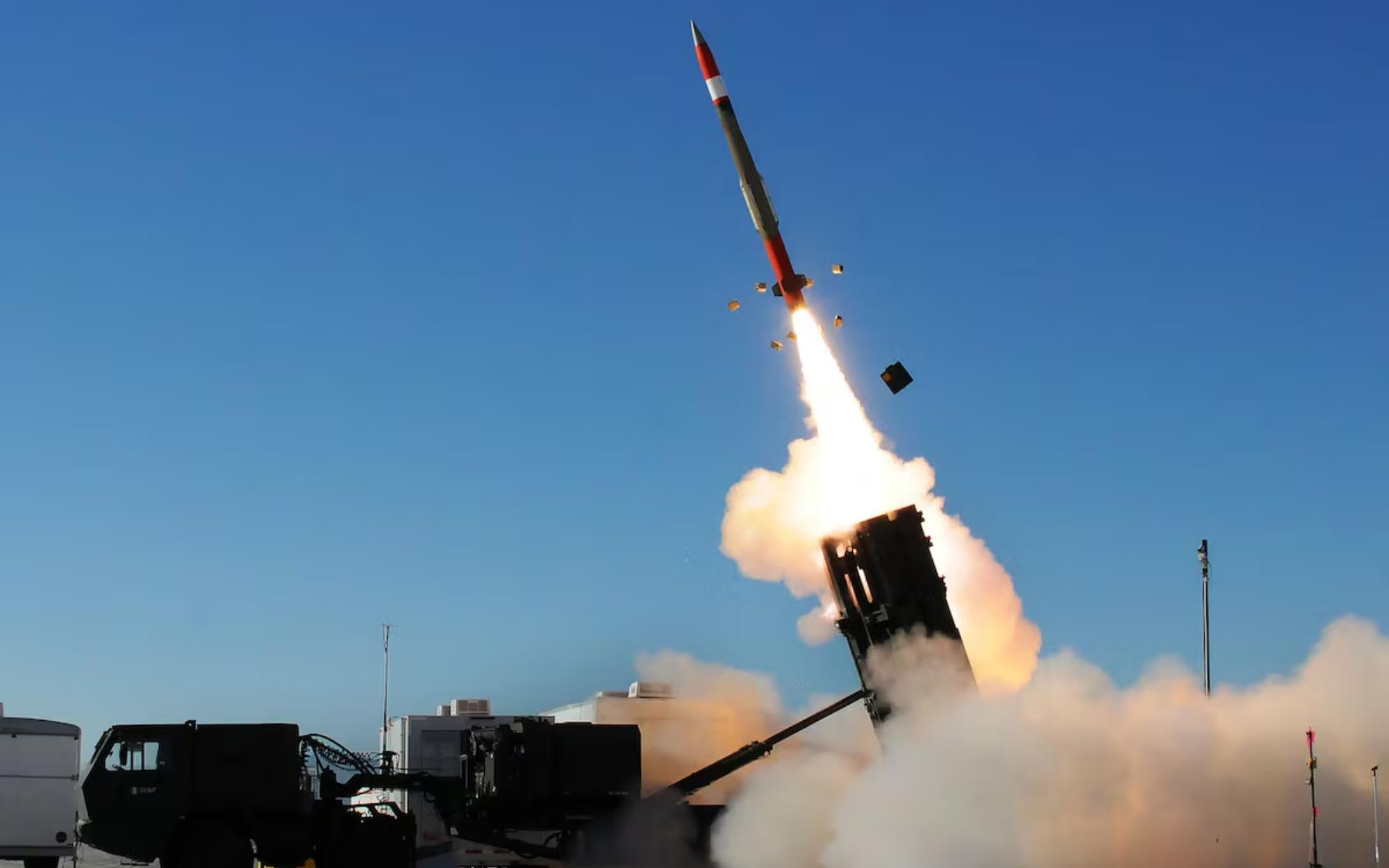
The equipment has generated revenue for manufacturers and the U.S. government for decades, making foreign production a consequential decision for the parties involved.
Pistorius’ proposal comes as international demand for Patriot interceptors remains significant.
Germany’s position is that an additional production site would help address the shortage while expanding allied access to weapons already in high demand.
Ukraine is another country seeking a role in Patriot production. Ukrainian leaders said in July that President Donald Trump had promised they would be able to manufacture Patriot interceptors under license in Ukraine.
The details of that prospective arrangement remain unclear. No specifics were provided about its scope, timing, production responsibilities, or how the necessary licensing process would operate.
Patriot interceptors are a key defense against Russian missiles that have been striking Ukrainian cities.
That battlefield requirement adds urgency to the broader discussion over how to increase the supply of interceptors without compromising protected capabilities.
Germany’s proposal is broader than simply purchasing additional missiles from the United States.
Pistorius is offering German industry as a location for producing PAC-2 interceptors, PAC-3 interceptors, launchers, and other American weapons facing shortages among allies.
For now, the proposal remains dependent on decisions by the U.S. government and Lockheed Martin.
Germany has made its interest clear, but the future of PAC-3 MSE production in Europe will rest on whether those essential American players agree to move forward.
The arrangement discussed by Pistorius and Hegseth establishes the basis for further consideration, but it does not settle the details.
Questions involving industrial scope, closely guarded interceptor characteristics, and the business value of existing production still stand between Germany’s offer and an operational PAC-3 manufacturing line.
Join the Discussion
COMMENTS POLICY: We have no tolerance for messages of violence, racism, vulgarity, obscenity or other such discourteous behavior. Thank you for contributing to a respectful and useful online dialogue.