WHAT YOU NEED TO KNOW
- Nearly 100 Chatan residents practiced evacuating through Kadena Air Base toward higher ground on Sept. 19, 2026.
- The 18th Wing Command Post issued the alert before the 18th Security Forces Squadron escorted participants across the installation.
- The exercise marked the third consecutive year of coordinated tsunami evacuation training between Kadena Air Base and local officials.
- A June tsunami advisory previously prompted base personnel to open the gates so residents could evacuate to a safer location.
Members of the Air Force’s 18th Wing joined local government officials in Okinawa, Japan, for a coordinated tsunami evacuation drill across Kadena Air Base on Sept. 19, 2026.
The exercise focused on moving nearby residents toward higher ground under simulated disaster conditions.
Nearly 100 residents from the coastal town of Chatan participated in the drill.
They traveled through Kadena Air Base while practicing the evacuation procedures that would be used when coastal areas become unsafe.
The exercise marked the third consecutive year that the 18th Wing and local officials conducted the training.
Carrying it out required close coordination among multiple agencies across the installation.
The 18th Wing Command Post began the response by sending the initial emergency alert.
The 18th Security Forces Squadron then escorted the participating residents across the base as they moved toward higher ground.
Chatan’s shoreline faces exposure to coastal hazards, making routine evacuation exercises an important part of local emergency preparations. The recurring drills allow participating teams to streamline procedures for admitting residents through the installation.
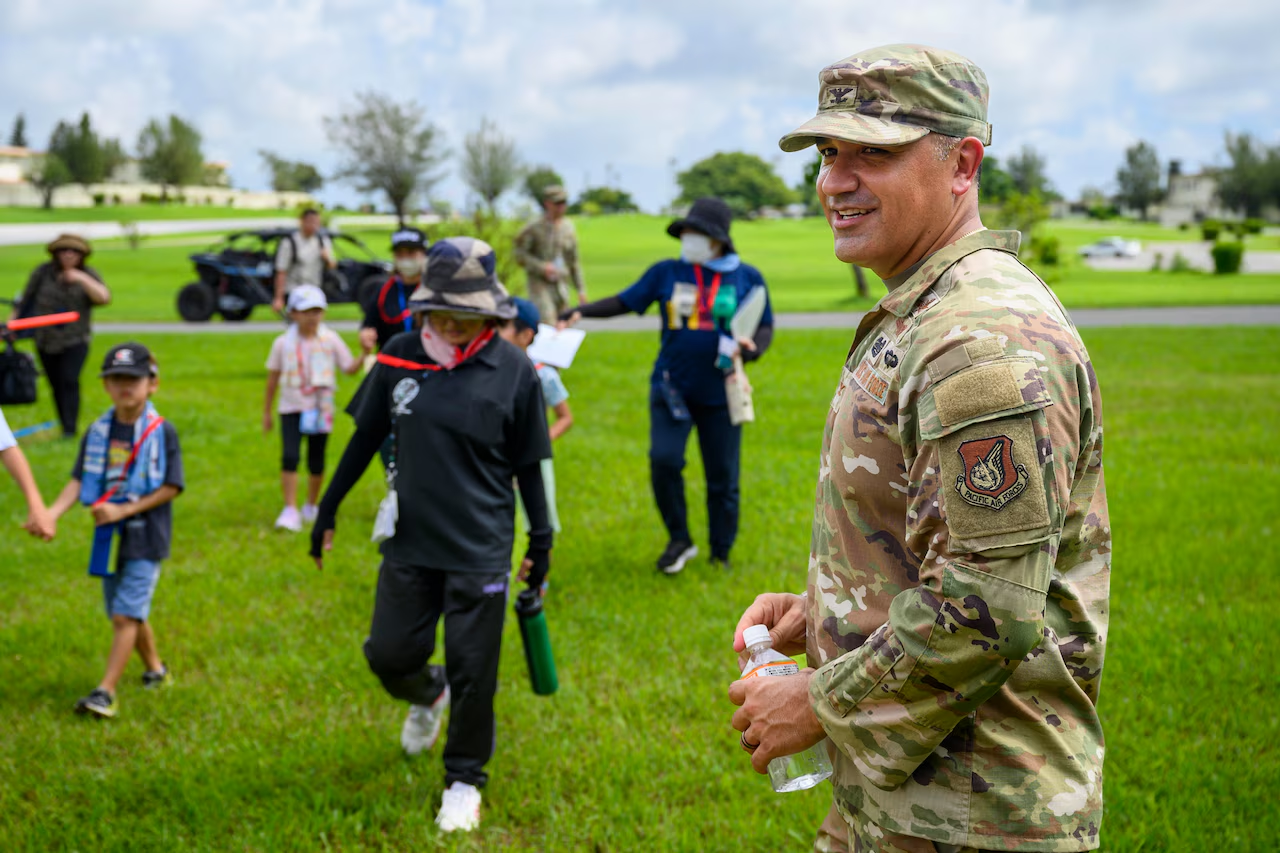
Those entry procedures are intended to help Chatan residents reach higher ground without delay.
Each exercise gives Kadena Air Base and the town another opportunity to refine how they coordinate during a potential emergency.
Mayor Masashi Toguchi expressed appreciation for the continued cooperation and preparation between the community and the installation.
“I am deeply grateful that the training and coordination we have conducted together on a regular basis help us respond effectively when an actual emergency occurs,” Toguchi said.
The practical importance of that coordination was demonstrated in June, when officials issued a tsunami advisory.
Base personnel quickly opened the gates, allowing residents to evacuate to a safer location.
Chatan sits directly between the coast and Kadena Air Base. That location makes access through the installation an important part of the town’s established evacuation procedures when low coastal areas are threatened.
The town and the base use mutual assistance protocols that permit civilians to enter through base gates when those coastal areas become unsafe. The arrangement provides residents with a route toward higher ground during dangerous conditions.
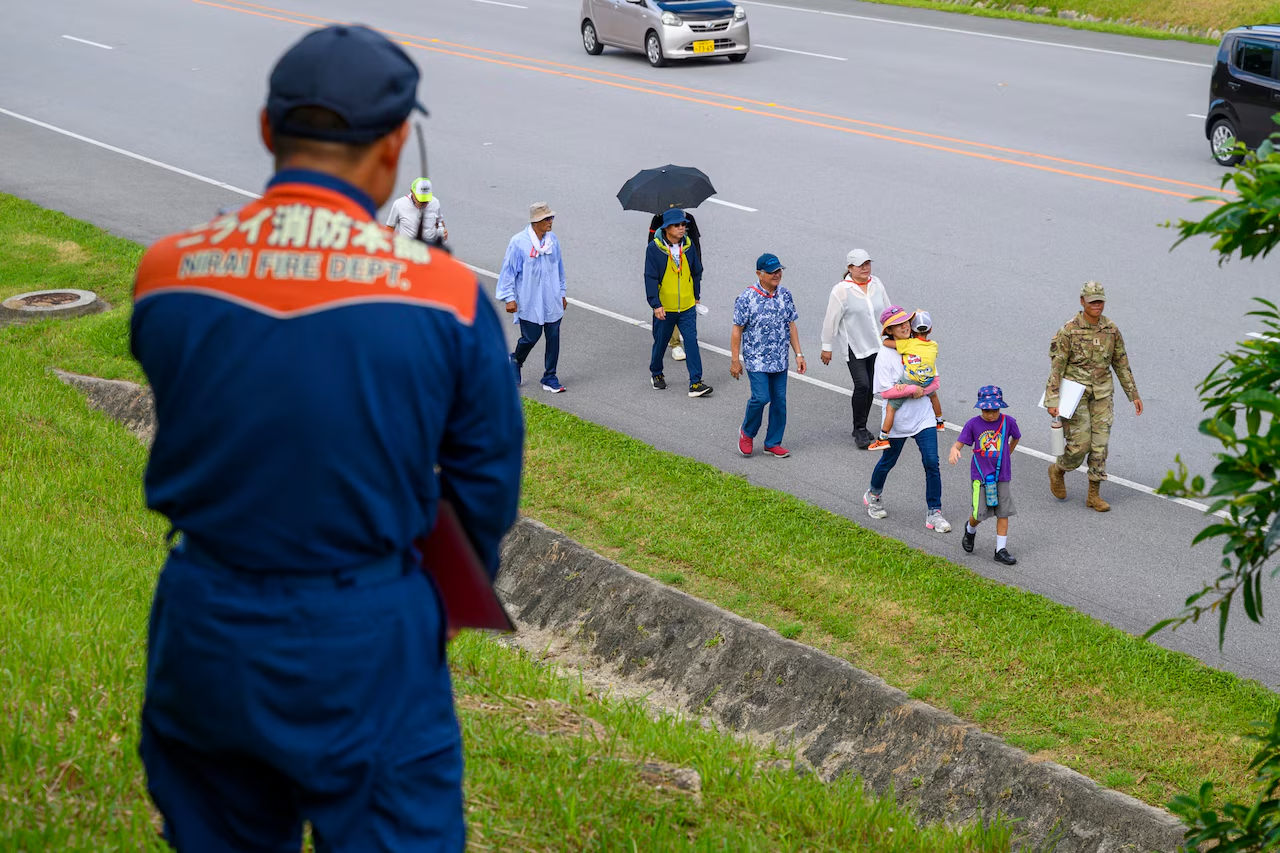
The September exercise tested that process under simulated circumstances rather than waiting for another advisory.
Residents practiced the route while Air Force personnel and local officials carried out their assigned responsibilities.
The sequence began with the emergency notification and continued with security forces escorting participants through the installation.
That coordinated movement reflected the procedures Kadena Air Base and Chatan have practiced during three consecutive years of exercises.
Routine repetition helps the teams identify and eliminate potential delays in the evacuation process. It also helps installation agencies refine entry procedures before residents must rely on them during an actual coastal emergency.
For Chatan, the drill centered on getting residents away from the shoreline and toward a safer elevation. For Kadena Air Base, it required coordinated action from the command post, security forces, and other participating installation agencies.
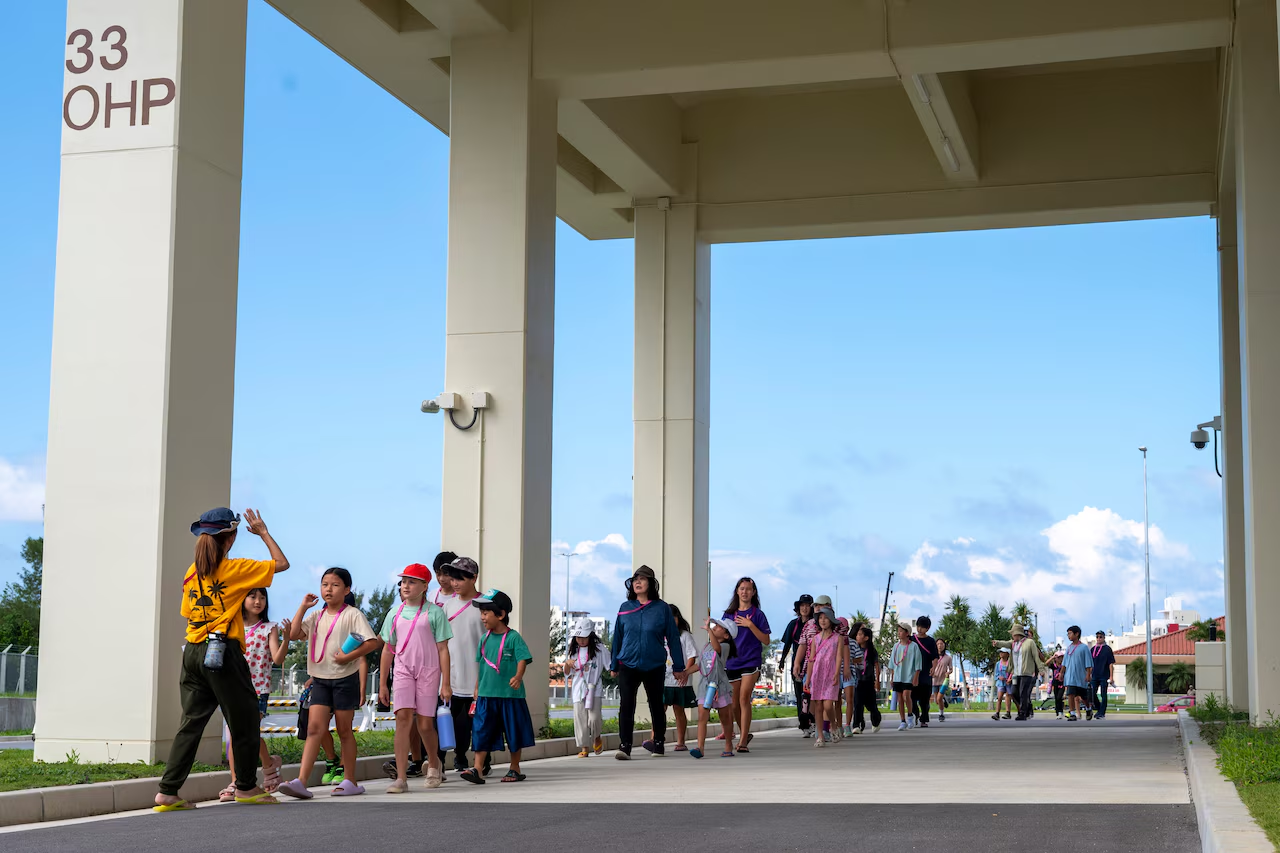
The continued exercises demonstrate a shared commitment by Kadena Air Base and Chatan to community safety and emergency readiness.
With each drill, the two sides continue strengthening the coordination needed to move civilians through the base when coastal hazards threaten.
The Department of War provides the military forces needed to deter war and ensure the nation’s security.
At Kadena Air Base, the tsunami exercise showed Air Force personnel working directly with local officials and residents on emergency readiness.
Join the Discussion
COMMENTS POLICY: We have no tolerance for messages of violence, racism, vulgarity, obscenity or other such discourteous behavior. Thank you for contributing to a respectful and useful online dialogue.