WHAT YOU NEED TO KNOW
- The USS Frank E. Petersen Jr. returned to Hawaii after a deployment lasting 301 days.
- The destroyer sailed more than 85,000 nautical miles and completed 45 replenishments at sea.
- Eight sailors across the Abraham Lincoln strike group attempted suicide, though Acting Navy Secretary Hung Cao said none died.
- Military families raised concerns about mental health, food shortages, declining morale and self harm aboard the Abraham Lincoln.
The first ship from Carrier Strike Group 3 returned to Hawaii on Monday, closing a deployment lasting 301 days. The extended mission unfolded amid mounting concerns about mental health and declining morale aboard the strike group flagship, the USS Abraham Lincoln.
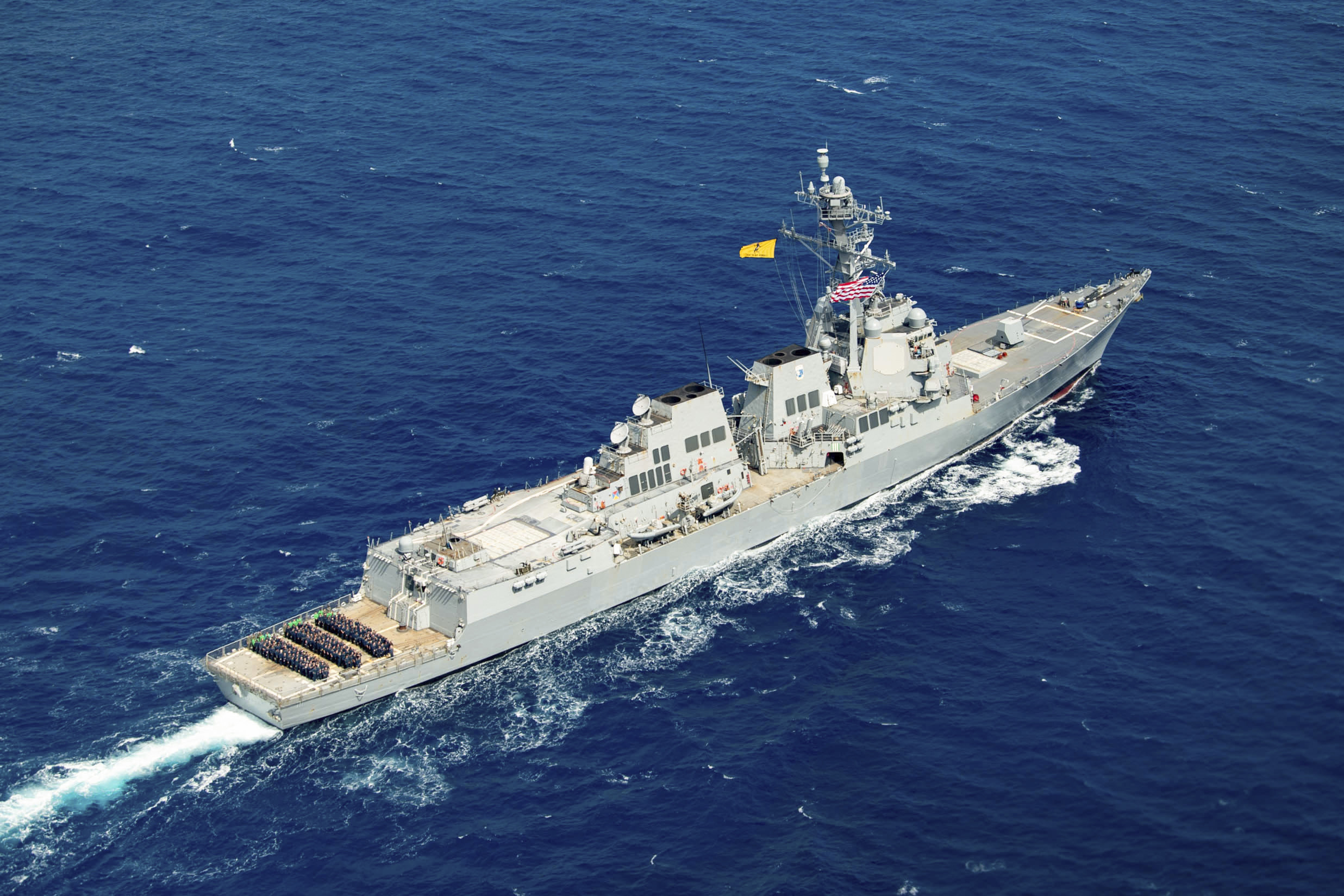
The destroyer USS Frank E. Petersen Jr. departed Joint Base Pearl Harbor-Hickam on Dec. 1. It spent more than 106 days without a scheduled port call while carrying out operations across two major regions.
The destroyer operated in the South China Sea in January before sailing to the Arabian Sea. There, the ship supported U.S. Navy operations during Operation Epic Fury.
“This deployment challenged us in many ways and required every sailor to perform at their very best,” said Capt. Casey Mahon, commanding officer of the Frank E. Petersen Jr.
“Despite the pressures and complexities of our missions, the crew rose to the occasion every time, ensuring the safety, security, and strategic interests of our nation. Most importantly, the crew never gave up on the ship and never gave up on their shipmates.”
Mahon also served as the Integrated Air and Missile Defense commander for the Abraham Lincoln strike group. Under his command, the Frank E. Petersen Jr. provided ballistic missile defense for vessels moving through the contested waters of the Strait of Hormuz.
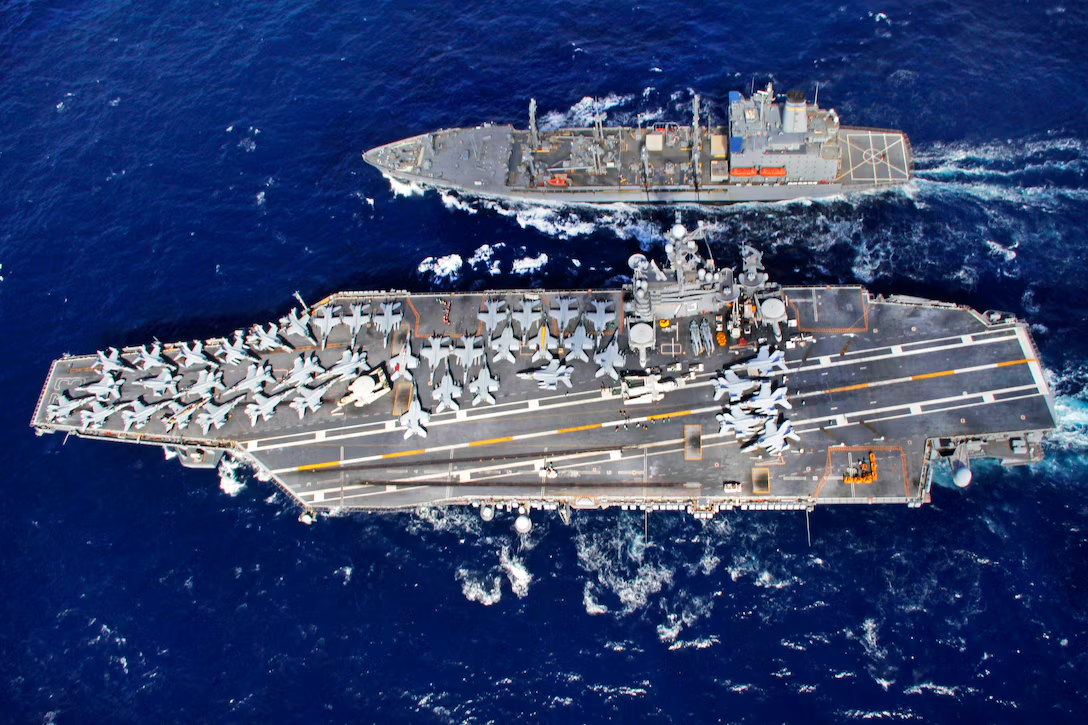
During its deployment lasting 10 months, the crew conducted 45 replenishments at sea and sailed more than 85,000 nautical miles. Sailors also completed 1,094 hours of flight quarters, according to a Navy release.
The deployment reflected broader concern surrounding the increasing length of missions assigned to U.S. vessels. The USS Gerald R. Ford returned to its home port in May 2026 after a record deployment lasting 327 days.
Those extended combat deployments have fueled growing concern about the demands placed upon sailors. For the Abraham Lincoln strike group, public attention increasingly focused on reports involving morale, mental health and access to scheduled port calls.
Concern reached a crescendo in the middle of August, when Military Times reported that two sailors had attempted to jump overboard from the USS Abraham Lincoln. The report intensified scrutiny surrounding conditions aboard the carrier and across its strike group.
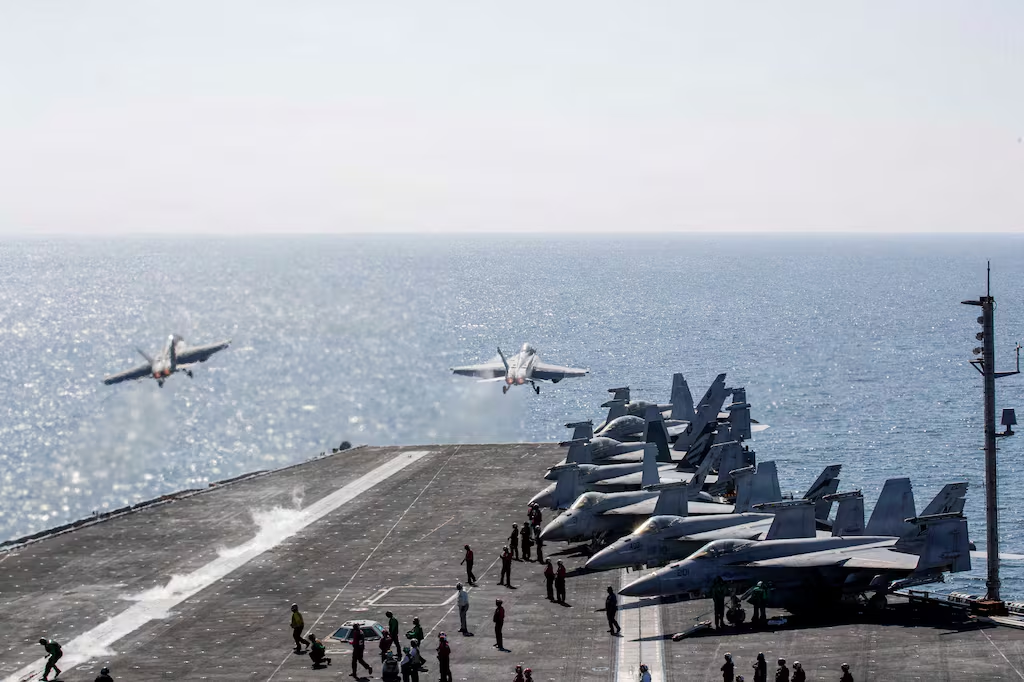
Acting Navy Secretary Hung Cao confirmed on Sept. 22 that eight sailors aboard ships from the USS Abraham Lincoln carrier strike group had attempted suicide. Cao also said that none of the sailors had died from the attempts.
Military family members raised their concerns directly with defense officials during an August town hall meeting in San Diego, California. They described grave worries about the mental health of loved ones serving aboard the Lincoln.
Family members also flagged food shortages, depleted sailor morale and concerns about self harm. At that point, the carrier was approaching nine months without a scheduled port call, adding urgency to the families’ warnings.
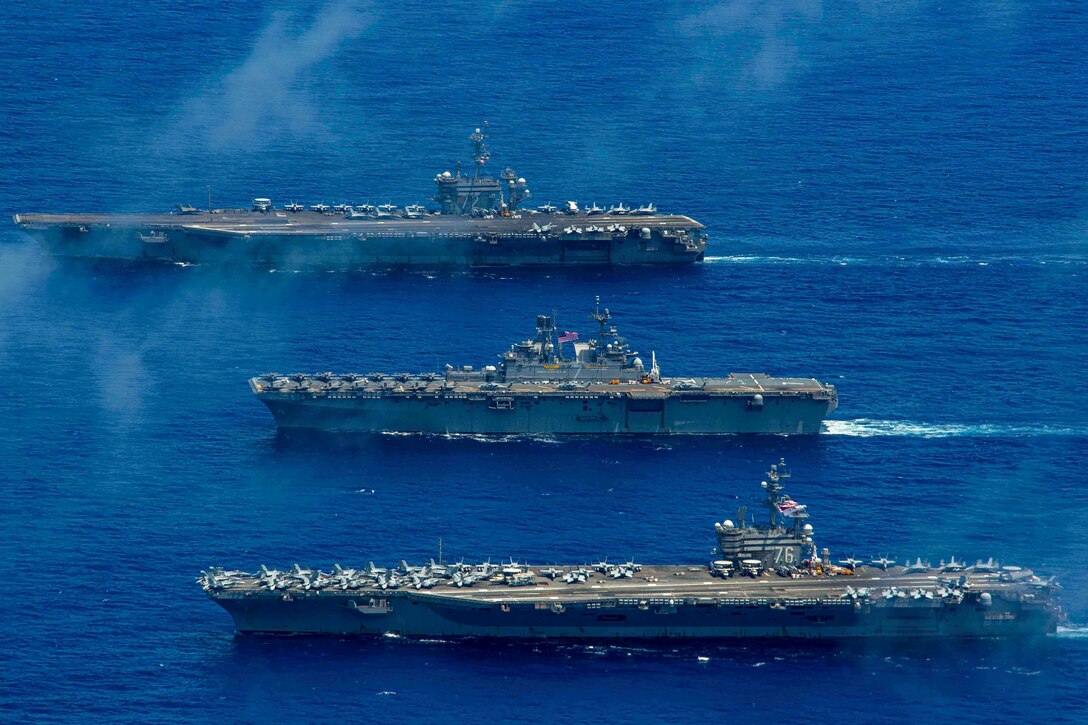
The Abraham Lincoln ultimately spent 264 days without a port call. The flagship is scheduled to return to its home port in San Diego.
Mahon said there were no reports of suicidal ideation among the crew of the Frank E. Petersen Jr. during its deployment. He acknowledged, however, that some sailors needed additional attention and received it.
“We certainly had some folks who maybe needed a bit more care than others, and we made sure they got that care,” Mahon told Stars and Stripes on Monday.
“I think you can’t do a 10-month deployment like that without really having to really dive deep into the resiliency factor,” he added.
The Frank E. Petersen Jr.’s arrival in Hawaii marked the first return by a ship from Carrier Strike Group 3. Its sailors came home after a mission defined by sustained operations, long stretches without port calls and extensive time at sea.
Are you feeling overwhelmed or hopeless right now? Have you been withdrawing from people or activities you usually enjoy? Are you having thoughts about hurting yourself, or feeling like things will never improve?
You do not have to handle those feelings alone. Support is available, and talking to someone can make a difference. You can reach out to the 988 Suicide & Crisis Lifeline by calling or texting 988, or by chatting online at 988lifeline.org. Trained counselors are available 24 hours a day to listen and help.
If you believe someone is in immediate danger, call emergency services right away. Even a small step, like reaching out to a trusted friend, family member, or professional, can help create a path forward.
Join the Discussion
COMMENTS POLICY: We have no tolerance for messages of violence, racism, vulgarity, obscenity or other such discourteous behavior. Thank you for contributing to a respectful and useful online dialogue.