WHAT YOU NEED TO KNOW
- Army officials said 97% of soldiers have completed the Neurocognitive Assessment Tool.
- The assessment establishes a baseline measuring cognitive functions including memory and reaction time.
- Soldiers in blast intensive career fields must take the assessment annually, while most soldiers face testing every three years.
- The Army plans a broader overpressure program covering exposure tracking, risk mitigation, cognitive monitoring, injury reporting and training.
Nearly every soldier has completed the Army’s new cognitive assessment designed to establish a baseline for brain health and help track the possible effects of explosive blast exposure. Army officials said 97% of soldiers have taken the Neurocognitive Assessment Tool.
The computer administered assessment measures a soldier’s cognitive function before a potential injury occurs. Doctors and other specialists can later compare new results with that baseline if a soldier suffers a blast overpressure injury.
Blast overpressure refers to the sudden increase in air pressure created by explosions and the firing of certain heavy weapons. Artillery and other weapons routinely used during training and combat can produce those pressure waves.
Repeated exposure to those waves has been linked to brain injuries and cognitive problems. The waves can pass through the skull and interact with brain tissue, potentially causing injury without a conventional blow to the head.
Research has associated repeated blast exposure with changes in brain structure and function. Reported symptoms include headaches, dizziness and memory problems.
Previous military data has also raised concerns about the mental health of troops regularly exposed to blasts. From 2019 through 2021, Army mortarmen had a suicide rate 40% higher than soldiers who did not use high explosive weapons, according to data previously reported by The Assembly.
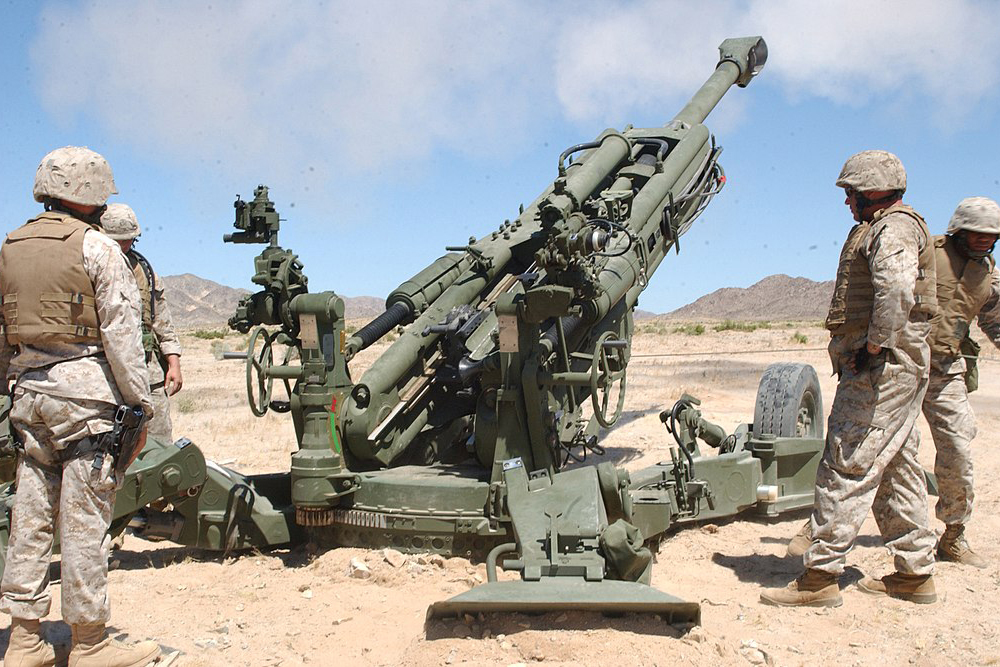
Three of the five Army occupations with the highest suicide rates routinely exposed soldiers to blasts. The figures added urgency to the military’s effort to monitor personnel whose duties repeatedly place them near explosions and heavy weapons fire.
The War Department established the test in 2024 as a required cognitive baseline assessment. Its stated purpose is to monitor and track soldiers’ brain health while supporting recovery from traumatic brain injuries.
Soldiers throughout the active duty Army, Army National Guard and Army Reserve must complete the assessment every three years. Personnel in career fields involving regular heavy blast exposure face additional requirements.
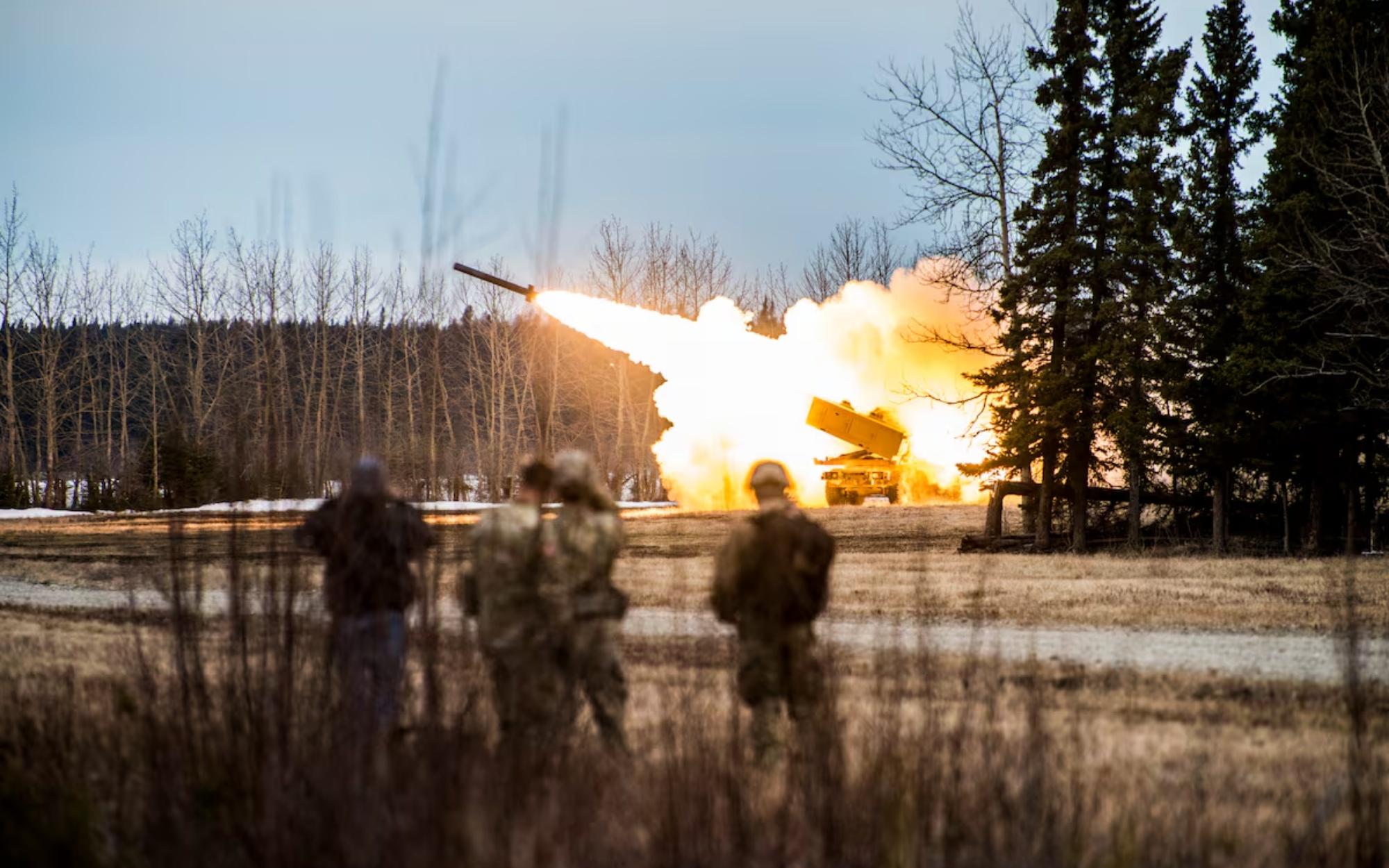
Field artillery soldiers, combat engineers and explosive ordnance disposal technicians must take the assessment annually. New recruits now complete the test when they enter the military.
Soldiers also take the assessment before deployments and after an injury or suspected concussion. The test measures cognitive functions that include memory and reaction time.
Those results provide medical personnel with a comparison point for later evaluations. Providers can use the baseline to identify changes in cognitive performance after a potential exposure or injury.
The Army has established cognitive testing before, but previous reporting found that later testing was not always conducted. The Assembly reported in 2024 that an artillery unit received neurological assessments before deploying to Iraq in 2016.
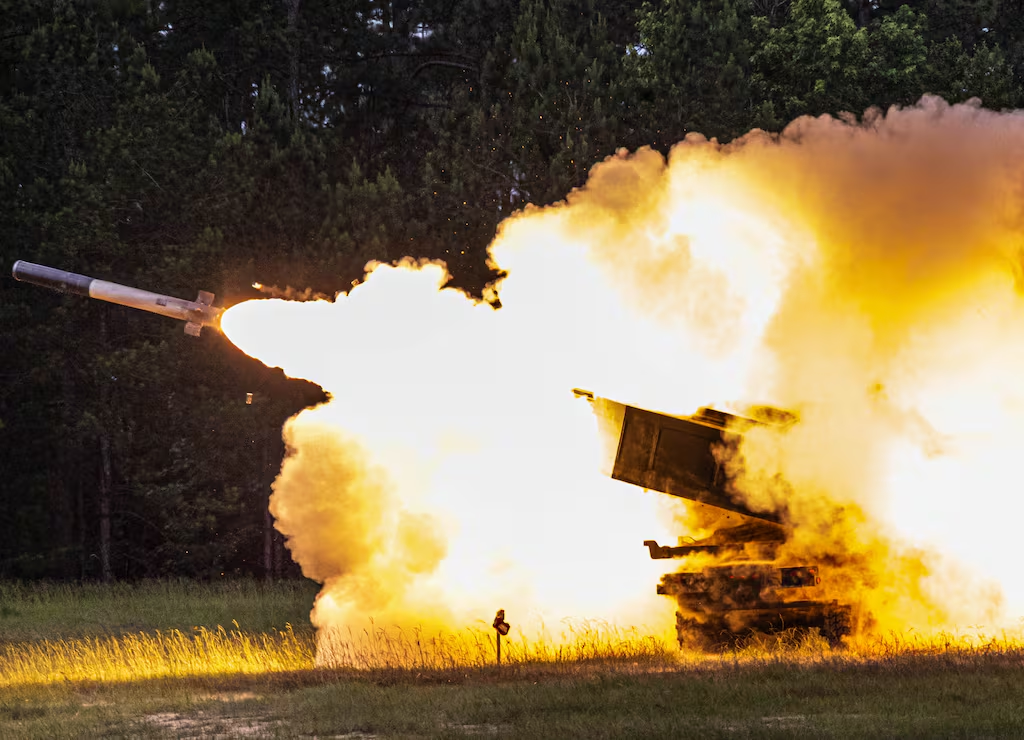
Soldiers from that unit said they did not receive required testing after returning from the deployment, despite saying they had experienced repeated blast exposure. The account highlighted the importance of completing both the initial assessment and the required follow up.
The Neurocognitive Assessment Tool is part of a broader Army effort addressing blast overpressure and low level blast exposure. The service has identified both as occupational safety and health hazards.
The Army plans to publish a service wide directive establishing a broader overpressure program. Officials said the program will include exposure tracking, risk mitigation, cognitive monitoring, injury reporting and training.
Jordan Gillis, assistant secretary of the Army for installations, energy and environment, said a cognitive baseline allows the Army to monitor brain health and could help medical providers deliver treatment when needed. Gillis is also an Army Reserve field artillery officer.
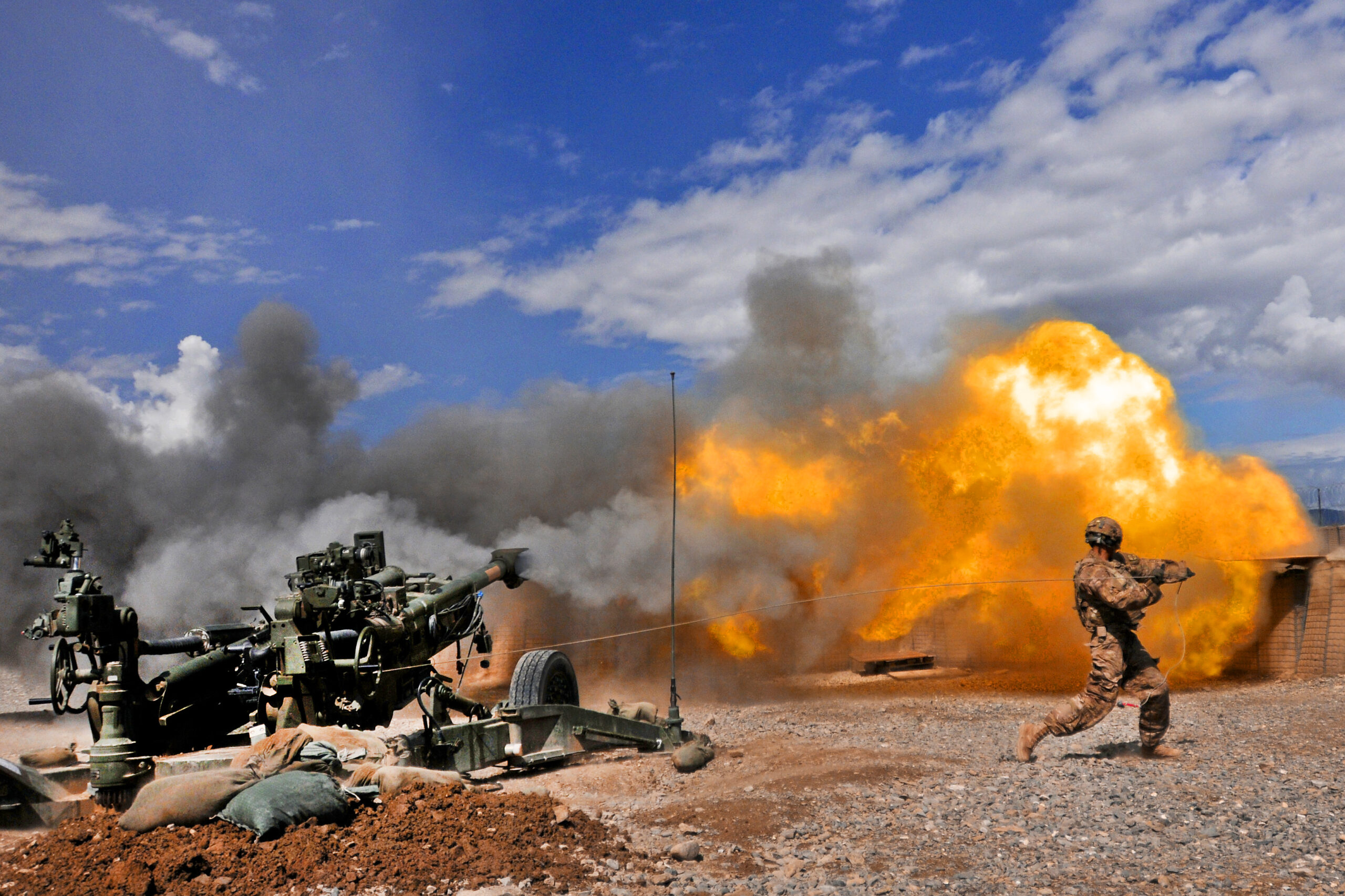
Gillis received a Purple Heart for injuries sustained while deployed in support of Operation Enduring Freedom. He acknowledged that many soldiers who served during the wars in Iraq and Afghanistan experienced repeated blasts from improvised explosive devices and heavy weapons.
“I am from the era of Soldiers who grew up in the height of the global war on terror, and many of us were exposed to blast overpressure through things like IED attacks,” Gillis said.
“I myself experienced several IED attacks, and so I believe from personal experience that this is important to do.”
Are you feeling overwhelmed or hopeless right now? Have you been withdrawing from people or activities you usually enjoy? Are you having thoughts about hurting yourself, or feeling like things will never improve?
You do not have to handle those feelings alone. Support is available, and talking to someone can make a difference. You can reach out to the 988 Suicide & Crisis Lifeline by calling or texting 988, or by chatting online at 988lifeline.org. Trained counselors are available 24 hours a day to listen and help.
If you believe someone is in immediate danger, call emergency services right away. Even a small step, like reaching out to a trusted friend, family member, or professional, can help create a path forward.
Join the Discussion
COMMENTS POLICY: We have no tolerance for messages of violence, racism, vulgarity, obscenity or other such discourteous behavior. Thank you for contributing to a respectful and useful online dialogue.