WHAT YOU NEED TO KNOW
- Trump said he no longer wants an Iran agreement, although special envoy Steve Witkoff continues working on negotiations.
- NBC News reported that Trump and his national security team discussed resuming large scale U.S. military operations within weeks.
- Axios reported possible massive bombing against Iranian energy, infrastructure and nuclear targets before the midterm elections.
- Kpler said Middle East crude exports were nearing levels recorded before the conflict despite elevated oil prices.
President Donald Trump said Wednesday that he no longer wants an agreement with Iran as reports pointed to preparations for possible U.S. strikes against the country. The reported military action could come before the midterm elections.
Trump addressed the negotiations during a campaign rally with Republican candidates in San Antonio late Wednesday stateside. His remarks suggested that Iran was prepared to make broad concessions to stop the conflict.
“I think the deal isn’t really something that I want to do, but they’re willing to offer us anything to stop,” Trump said at the rally.
Steve Witkoff, the U.S. special envoy to the Middle East, has been working on the agreement. Trump said Witkoff was “doing very well,” even as the president publicly backed away from wanting a deal.
The remarks arrived as Trump and his national security team considered whether to restart major U.S. military operations. NBC News reported Wednesday that those discussions involved possible action within the coming weeks.
NBC News attributed its report to a U.S. official and another person with knowledge of the talks. The possible operations were described as large scale, marking a military option under active discussion by the president and his advisers.
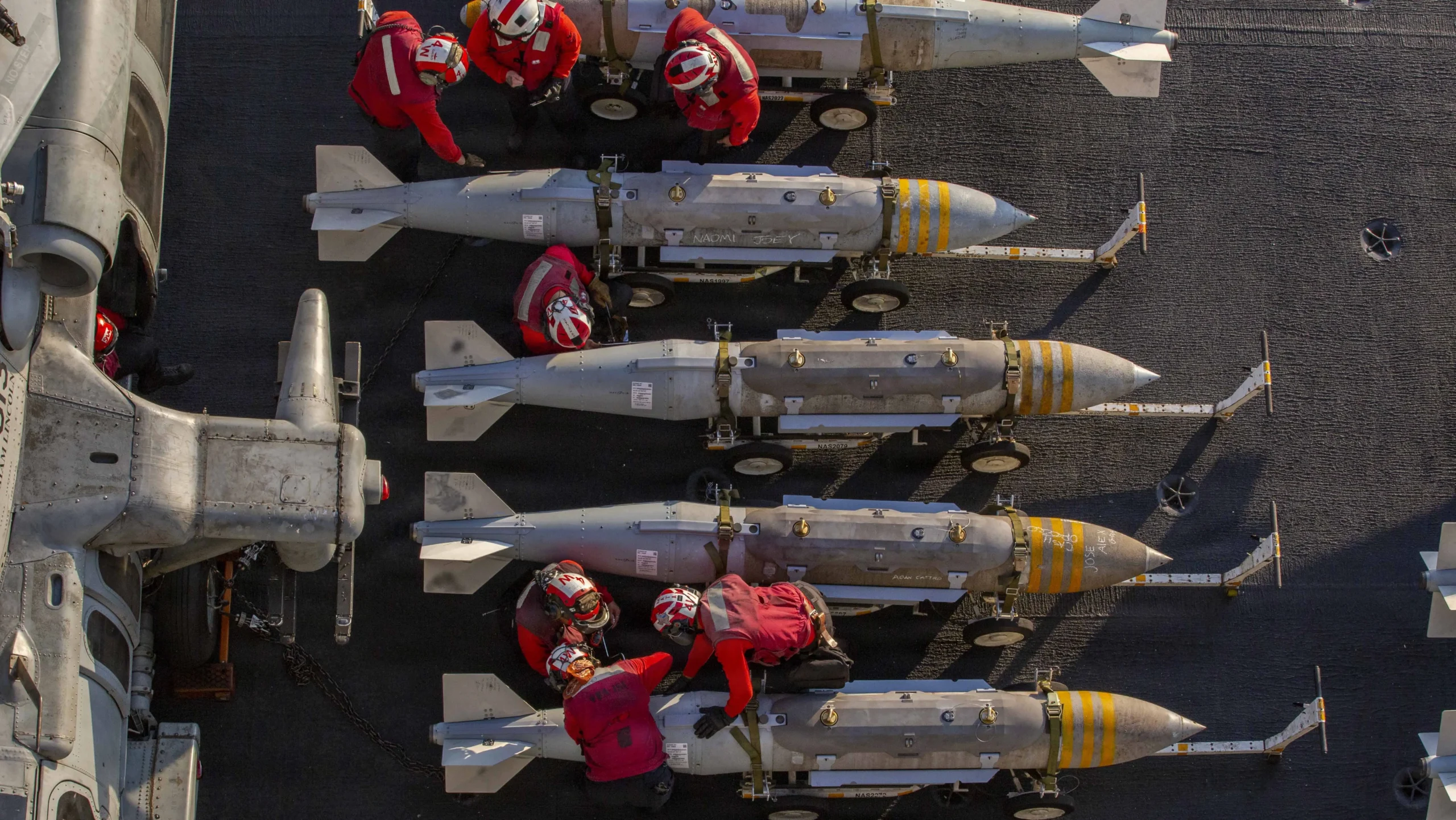
Axios reported earlier Wednesday that renewed armed conflict could include “massive bombing” against targets inside Iran. The targets described in that report included Iranian energy sites, infrastructure and nuclear facilities.
The Axios report also said military aggression could affect the outcome of the upcoming midterm elections. That possibility places the reported discussions alongside a political calendar already shaped by concerns about prices and Trump’s approval ratings.
Trump has seen his approval ratings decline to a record low amid public concerns about high living costs. Those concerns have been fueled by sharply rising gasoline and diesel prices, according to the source report.
The president raised another obstacle to negotiations earlier this week, saying Washington’s biggest problem was uncertainty about who was running Iran during talks aimed at ending the conflict. Iranian officials disputed that account.
Iranian officials said “the problem is actually the opposite.” Their response placed responsibility for the uncertainty on Washington rather than on Tehran’s leadership or representation during the negotiations.

Iranian Foreign Ministry spokesperson Esmail Baghaei specifically pointed to the “contradictory positions and mixed messaging from U.S. officials.” His statement came as Washington weighed diplomacy against the reported possibility of renewed military operations.
Oil prices, meanwhile, have remained elevated despite a recovery in Middle East exports. Kpler reported that those exports were approaching the levels recorded before the war, even with continued conflict and uncertainty surrounding negotiations.
Combined crude volumes leaving the Gulf, excluding Iran, along with volumes from Saudi Arabia and the United Arab Emirates, were around the level seen before the conflict. Kpler placed that level at 18.5 million barrels per day.
The movement of crude showed that regional shipping was recovering even without a diplomatic settlement. Kpler’s assessment focused on operational adjustments allowing traffic to continue while conflict persisted.

“Normalisation no longer needs to wait for a deal,” said Matt Wright, lead freight analyst at Kpler, forecasting “slower, uneven normalisation” under continued conflict, with traffic recovering through operational adaptation rather than waiting for a diplomatic trigger.
Trump’s rejection of the agreement came as the military reports, political pressures and energy concerns converged. Witkoff remained engaged in the talks, while reported discussions inside the administration focused on whether large scale U.S. operations could resume within weeks.
Join the Discussion
COMMENTS POLICY: We have no tolerance for messages of violence, racism, vulgarity, obscenity or other such discourteous behavior. Thank you for contributing to a respectful and useful online dialogue.