WHAT YOU NEED TO KNOW
- The 101st Airborne is training to move 1,500 to 2,500 soldiers into contested territory during a single period of darkness.
- Its L2A2 concept combines longer range aircraft, unmanned systems, autonomous logistics and new sustainment methods.
- An MV-22 Osprey helped the division simulate future operations with the MV-75 tiltrotor aircraft.
- The 101st added a CH-47 battalion and has the Army’s largest divisional combat aviation brigade, according to Gardner.
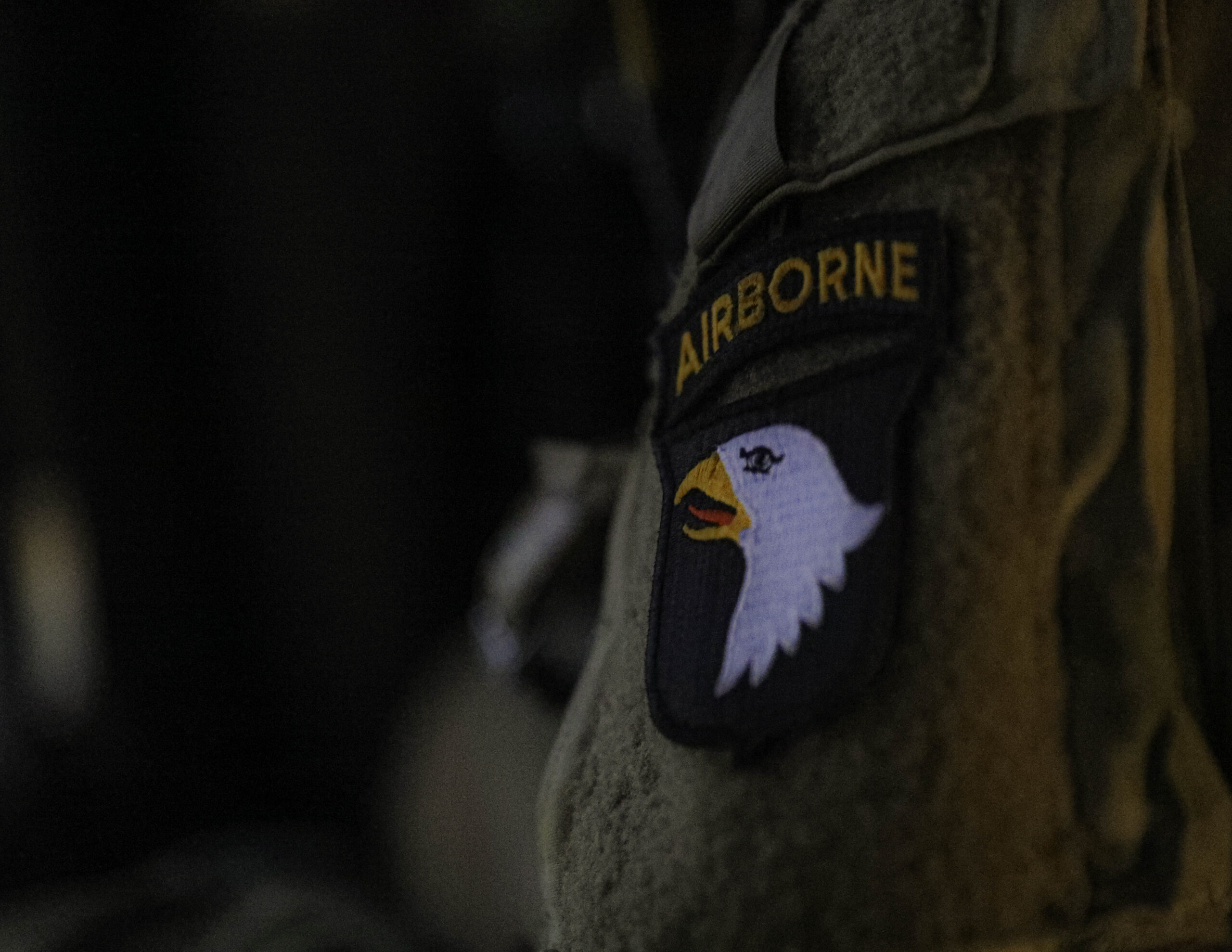
The 101st Airborne Division is preparing to move thousands of soldiers deep into contested territory in a single night, pairing its traditional air assault mission with longer range aircraft, unmanned systems, autonomous logistics and new methods for sustaining troops after landing.
Maj. Gen. David Gardner, commander of the 101st Airborne Division, said that the unit is expected to deliver a brigade of roughly 1,500 to 2,500 soldiers during a large scale air assault.
“We expect the place that we land to be contested by the enemy, and so we’ve got to set conditions. We’ve got to air assault a formation, and then we’ve got to fight as soon as we hit the ground and win,” Gardner said.
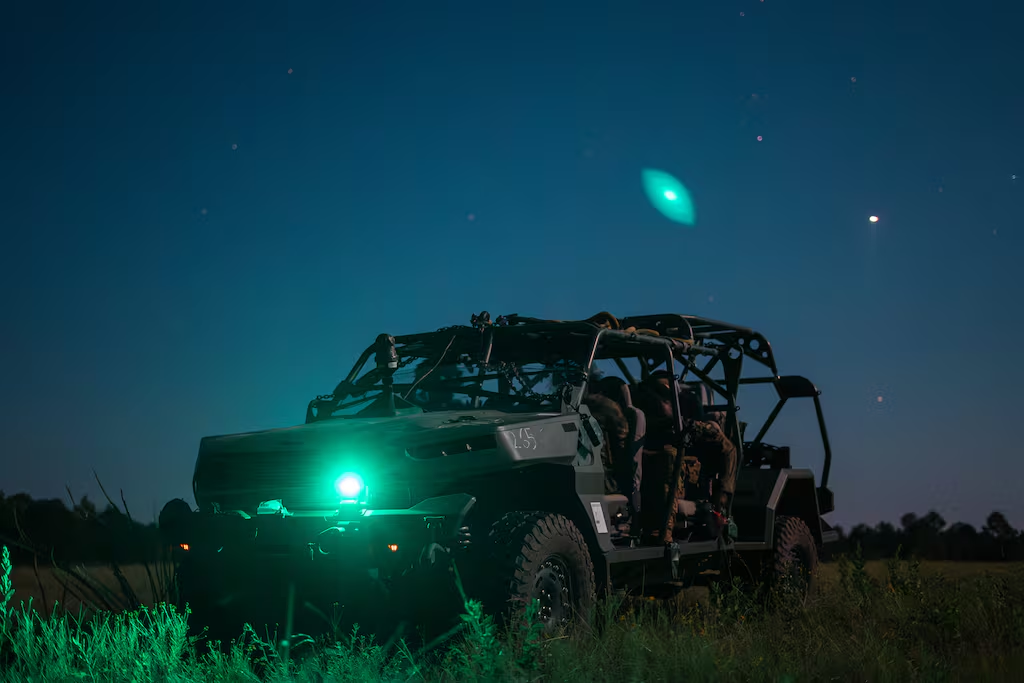
The Army is training units to remain mobile while avoiding detection by enemy drones and other sensing technologies. For the 101st, that effort includes studying how the Infantry Squad Vehicle can extend movement after landing and how additive manufacturing can help sustain equipment.
The division is also examining unmanned systems for supply deliveries and casualty evacuations. “We’re using autonomy and a lot of things in the modern era that make that air assault just a bit different,” Gardner said.

The 101st calls its emerging concept Large Scale, Long Range Air Assault, or L2A2. The division first tested the concept two years ago by moving more than 3,000 soldiers from the 2nd Mobile Brigade Combat Team across three states for a training exercise.
Nearly 80 aircraft departed Fort Campbell, Kentucky, on Aug. 13 and reached the Joint Readiness Center at Fort Polk, Louisiana, four days later. The force covered more than 500 miles and stopped at six forward arming and refueling points along the route.
The division’s future operations are expected to include the MV-75, a new tiltrotor aircraft based on Bell Textron Inc.’s V-280 Valor. The Army announced in 2025 that the 101st would be the first unit to receive the aircraft, which Bell says can fly twice as far and fast as the service’s current helicopter fleet.
During an April rotation at the Joint Readiness Training Center at Fort Polk, the 101st borrowed a Marine Corps MV-22 Osprey to simulate future operations with the MV-75. Gardner called the Osprey a “great surrogate” for testing how those missions could work.
Frank Lazzara, director of MV-75 Cheyenne sales & strategy for Bell, said the Osprey can simulate the range expected from the MV-75. He said greater range would allow forces to remain farther from threats while pushing combat power forward and keeping those troops supplied.
“The ability to stay further away from the threat is becoming more and more critical, and that is one of the primary reasons there’s going to be more dispersed operations in the air assault playbook,” Lazzara said. He added that the enduring aircraft fleet alone cannot provide the same combination of distance and resupply capability.
Gardner said previous air assaults from Fort Campbell to the Joint Readiness Training Center covered roughly 500 miles. The Osprey can make that trip quickly in one leap, while current helicopters require fuel and rearming stops along the way.
That difference forced the division to consider how it would command and control operations across a battlefield expanding two, three or four times farther and moving twice as fast. The exercise also helped planners work through the management of additional airspace, equipment and drones.
Long range tiltrotor operations also create practical limits for carrying equipment. “We’re not going to sling load something moving 250-ish knots for 500 miles. We’re not going to hang Humvees under that,” Gardner said.

Those constraints pushed the 101st to examine how equipment and sustainment would reach soldiers across greater distances, including possible reliance on autonomous logistics delivery systems. The division must prepare those support methods alongside its plans for inserting combat troops.
While other Army aviation formations have faced cuts, the 101st added a battalion of CH-47 helicopters. Gardner said the division now has the largest combat aviation brigade of any Army division, supporting its requirement to conduct a deep brigade air assault during a single period of darkness.
Join the Discussion
COMMENTS POLICY: We have no tolerance for messages of violence, racism, vulgarity, obscenity or other such discourteous behavior. Thank you for contributing to a respectful and useful online dialogue.