WHAT YOU NEED TO KNOW
- Ukraine says restrictions on “military-grade” Starlink services hampered drone strike missions and air defenses.
- Starshield supports government, military and intelligence missions while relying on the Starlink constellation as its backbone.
- The Pentagon has spent billions on Starlink and Starshield services and purchased dedicated Starshield satellites.
- Britain has adopted Starshield, while New Zealand is conducting a military trial of the system.
Ukraine said Wednesday that Elon Musk’s SpaceX had restricted “military-grade” Starlink services, hampering Ukrainian drone strike missions and air defenses. The complaint renewed attention on the dividing line between Starlink and Starshield, the company’s military system developed for the Pentagon.
Starlink is SpaceX’s commercial satellite internet service, while Starshield is designed for government, military and intelligence missions. Musk has maintained that the systems are separate, although they share underlying satellite technology in many cases.
“Starshield systems are owned and controlled by the U.S. government,” Musk said in a post on X, adding that any limits on speed or usage are decided by the U.S. military or the president.
“Starlink is a commercial service owned and controlled by SpaceX. Usage of Starlink is limited to civilian or defensive activities and cannot be used for offensive military action, as doing so would be inappropriate for a commercial company.”
SpaceX launched its first Starlink satellites in 2019 aboard reusable company rockets. Since then, it has assembled a vast constellation in low Earth orbit that covers much of the planet and provides faster connections than traditional communications satellites operating farther from Earth and in much smaller numbers.
Starlink provided Ukraine with a critical communications advantage during the early stages of the war and changed how militaries operate on the battlefield. Musk, however, has restricted Starlink for certain military activities while promoting Starshield as the more secure network for government and military missions.
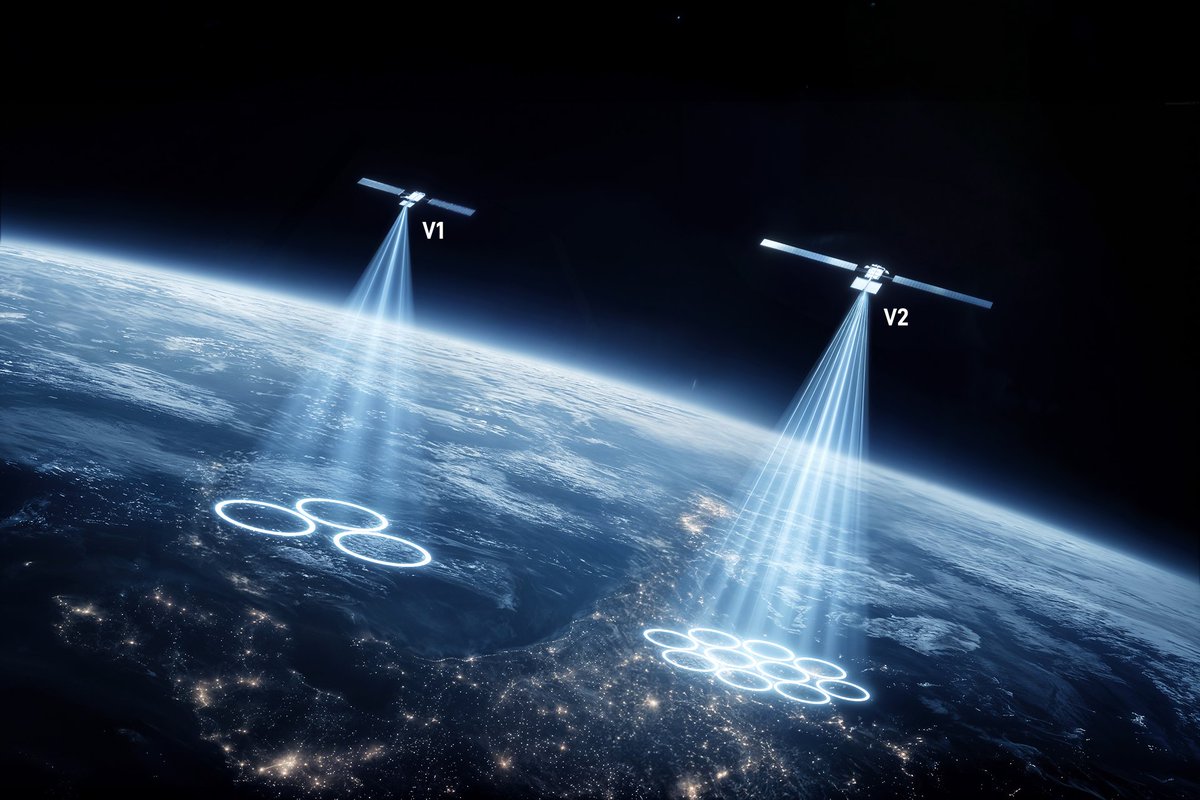
Starshield is a SpaceX business unit developing military and intelligence satellite systems for the Pentagon. Its missions differ from Starlink’s commercial broadband operations, but the practical boundaries between the services are not always obvious.
Starshield’s secure communications services use enhanced encryption and dedicated terminals. At the same time, those services rely on SpaceX’s extensive Starlink constellation as their backbone, demonstrating how the separate offerings can still depend upon common infrastructure.
According to SpaceX, Starshield uses the technology, engineering and operational experience developed through Starlink. Beyond secure communications, the military version can provide Earth observation capabilities and allow users to integrate sensors or other payloads.
The Pentagon is Starshield’s largest customer and has spent billions of dollars on both Starlink and Starshield services. It has also purchased dedicated Starshield satellites, including communications spacecraft intended for missile warning missions.
Reuters reported in 2024 that the Pentagon’s purchases also included a spy constellation for the National Reconnaissance Office. Secrecy surrounding national security space programs has left the precise boundaries between Starlink and Starshield opaque.
Questions about the relationship have persisted since Russia threatened Western satellites supporting Ukraine in 2022. SpaceX unveiled Starshield later that year, placing a military and intelligence focused service beside the commercial network already playing a major communications role in Ukraine.
The distinctions became contentious earlier this year when the Pentagon clashed with SpaceX over higher prices for satellite services used by military drones during the Iran conflict, according to Reuters. SpaceX argued that some customers paying roughly $5,000 per Starlink terminal should have used a Starshield service costing about $25,000 per terminal.
Britain has also adopted Starshield under an arrangement using the same satellite constellation, ground stations and terrestrial infrastructure as Starlink. Britain’s defense ministry told Reuters that the military service operates through dedicated terminals and separate network gateways.
Other American partners are examining Starshield as well. The New Zealand Defence Force previously told Reuters that New Zealand is conducting a trial to evaluate the system’s usefulness for military operations.
Join the Discussion
COMMENTS POLICY: We have no tolerance for messages of violence, racism, vulgarity, obscenity or other such discourteous behavior. Thank you for contributing to a respectful and useful online dialogue.