WHAT YOU NEED TO KNOW
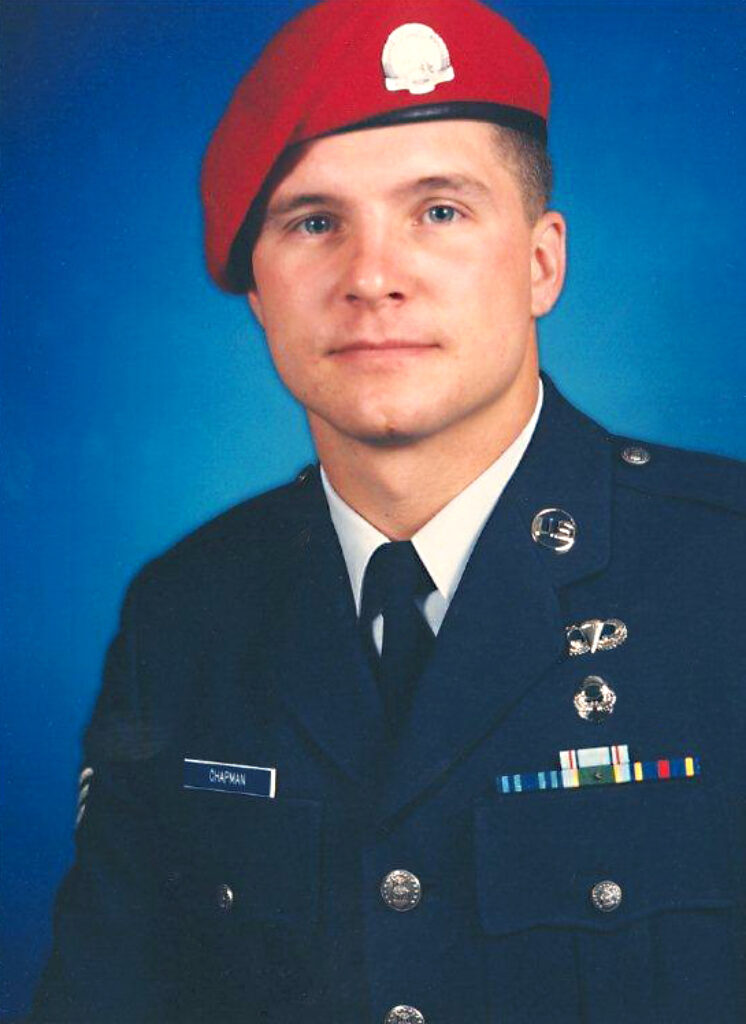
- Tech Sgt. John Chapman was killed in action in March 2002 while serving with the Air Force’s elite 24th Special Tactics Squadron.
- Chapman volunteered to help rescue a missing Navy SEAL after enemy fire struck a CH-47 Chinook.
- He killed two enemy fighters, advanced against a machine gun position and helped his team reach cover.
- The Navy SEAL team leader personally credited Chapman with saving the entire rescue team.
- Chapman received the Air Force Cross, the service’s second highest decoration for combat valor and gallantry.
Tech Sgt. John Chapman gave his life during the initial invasion of Afghanistan, displaying extraordinary courage while fighting alongside a rescue team in the highlands of eastern Afghanistan.
His actions helped fellow service members reach cover and escape enemy contact.
Chapman was killed in action in March 2002. He was among the first American casualties of the war in Afghanistan and took part in Operation Anaconda, a mission targeting Taliban and al Qaeda operatives in the country.
A member of the Air Force’s elite 24th Special Tactics Squadron, Chapman was operating in the rugged eastern Afghan highlands when the mission suddenly turned into a desperate rescue effort.
A Navy SEAL fell from an aircraft after it was struck by enemy fire.
The aircraft was a CH-47 Chinook. It landed so the team could search for the missing SEAL, placing Chapman and the other members of the rescue force in dangerous enemy territory.
Once the team reached the ground, Chapman directed air support from an AC-130 gunship. Even under those dangerous conditions, he remained focused on supporting the effort to recover the missing service member.
“Without regard for his own life Sergeant Chapman volunteered to rescue his missing team member from an enemy strong hold,” his award citation reads. “Shortly after insertion, the team made contact with the enemy.”
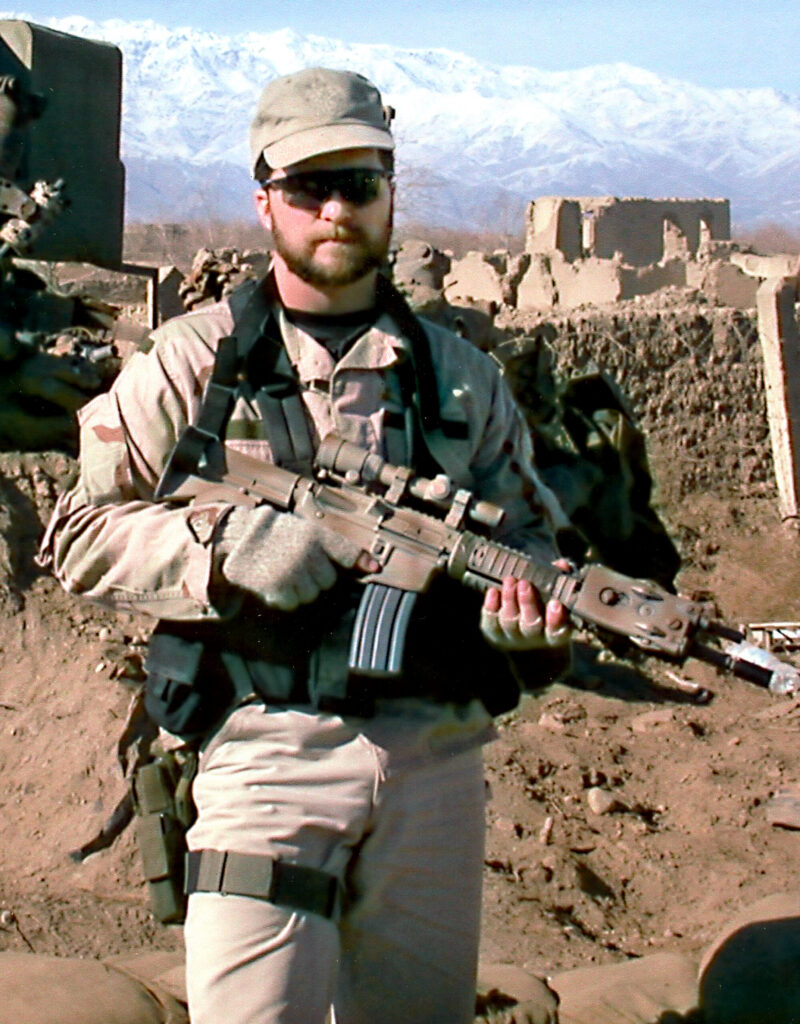
The contact quickly became a close range fight. Chapman immediately engaged the enemy and killed two fighters, eliminating the first hostile position as the rescue team faced fire in the Afghan highlands.
Chapman then continued advancing toward another enemy position. The second position was a dug in machine gun nest, and he received fire from three different positions as he pressed the attack.
“From close range he exchanged fire with the enemy from minimum personal cover until he succumbed to multiple wounds,” the citation reads. Chapman continued fighting despite having little protection from the incoming enemy fire.
The citation also described how Chapman’s attack helped the rest of the team survive the encounter. “His engagement and destruction of the first enemy position and advancement on the second position enabled his team to move to cover and break enemy contact.”
Chapman’s conduct did more than destroy an enemy position. By advancing against another fortified position while facing fire from multiple directions, he created an opportunity for the rescue team to reach cover and disengage.
The Navy SEAL team leader involved in the mission personally credited Chapman with saving the life of the entire rescue team. That judgment came from the leader who was present during the operation and witnessed the consequences of Chapman’s actions.
For his courage during the battle, Chapman was awarded the Air Force Cross medal.
The decoration recognized his decision to volunteer for the rescue effort, engage enemy fighters and advance against a machine gun position despite intense hostile fire.
The Air Force Cross is second only to the Medal of Honor for valor and gallantry in combat. According to the source account, only five men had received the Air Force Cross since Sept. 11, 2001.
Chapman’s final mission placed him among the earliest casualties of the Afghanistan war. It also left a record of unmistakable battlefield courage, preserved in an award citation that details how he fought at close range with minimal personal cover.
His sacrifice gave the rescue team the chance to move, take cover and break contact with the enemy.
In the opening phase of the Afghanistan war, Tech Sgt. John Chapman demonstrated the kind of valor that fellow warriors remembered as lifesaving.
Join the Discussion
COMMENTS POLICY: We have no tolerance for messages of violence, racism, vulgarity, obscenity or other such discourteous behavior. Thank you for contributing to a respectful and useful online dialogue.