A three year review by the Pentagon’s watchdog found that four military working dogs died at bases nationwide because their kennels were aging and poorly maintained.
The inspector general warned that these facilities were considered “aging and unsatisfactory” and failing to protect dogs from dangers like extreme weather and mold.
The report shows that ten of twelve inspected kennels were flagged as aging and unsatisfactory. It notes that the Pentagon had not prioritized renovation or new construction, which allowed those conditions to persist and contribute to the dogs’ deaths.
This is a troubling finding for a force that relies on roughly 1,600 working dogs across all services.
Here's What They're Not Telling You About Your Retirement
At lack of readiness, the DoD’s investigation highlights the central role of the 341st Training Base at Joint Base San Antonio-Lackland, Texas. The 341st is the hub for all military working dog operations and trains handlers from every branch.
The unit takes in about 500 dogs a year, with as many as 90 born into the program, and it also trains dogs for other federal agencies.
The IG’s findings show that the problems extend beyond a single base.
In desert climates in California and Texas, dogs were kept in open air cages during the summer months. At the 341st in Texas, 22 dogs sustained heat injuries while living outside over a three year span. These numbers reveal a pattern of unsafe housing that demands immediate attention.
This Could Be the Most Important Video Gun Owners Watch All Year
The investigation also found health hazards at a variety of bases. Dogs at Fort Bragg, North Carolina were exposed to mold, while those at Joint Base Langley–Eustis, Virginia were placed in kennels with poor ventilation and standing water that contained canine waste.
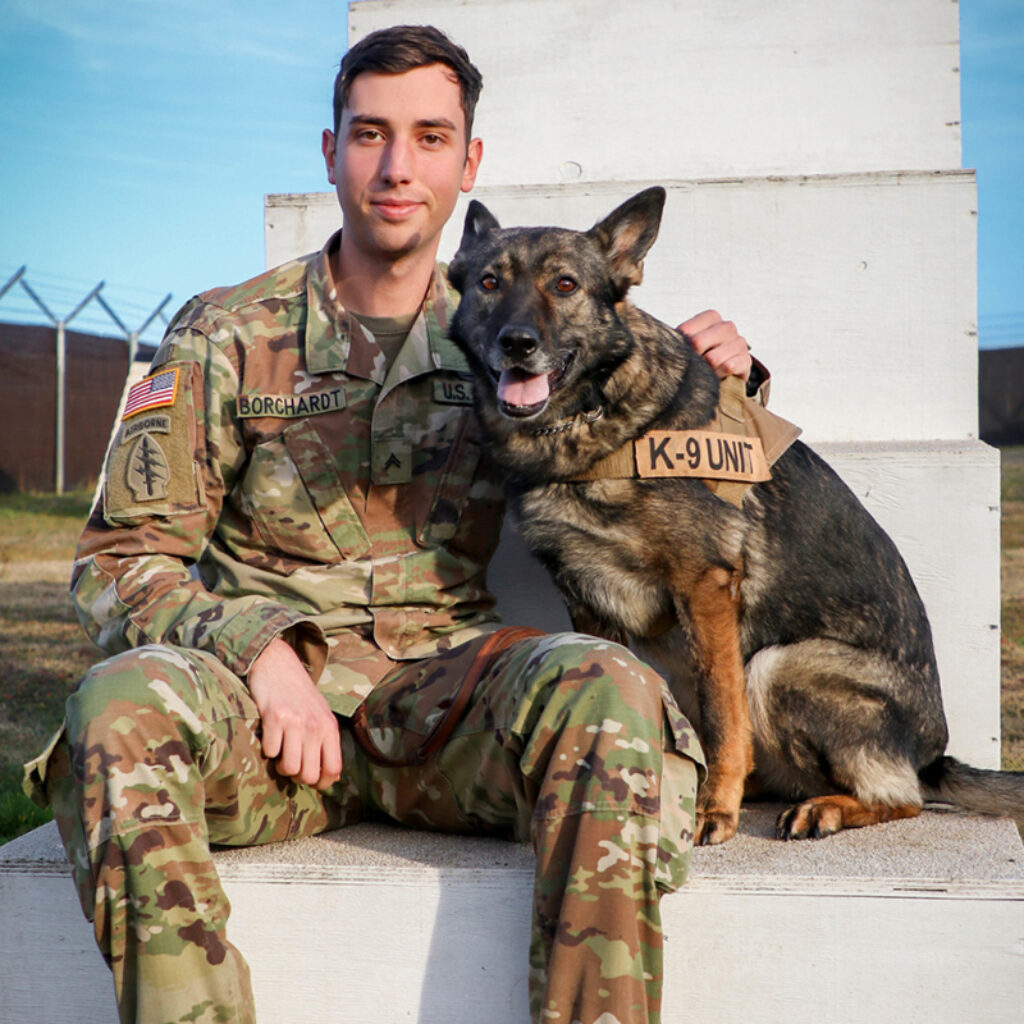
These conditions raise concerns not only about animal welfare but about mission readiness and the overall wellbeing of trained dogs.
In response to the report, Air Force officials said they are updating guidance for kennel facility design and revising veterinarian inspection checklists.
Odesch Bitter? No, the service’s response is about tightening standards and improving oversight, which is essential to prevent future tragedies.
From the Charleston upgrade project to the broader budget picture, officials noted that kennel renovations can be costly. A February release reported that renovations at Joint Base Charleston cost nearly $3.2 million.
The upgrades increased space, added sound dampening panels to reduce kennel anxiety and fencing that prevents visual agitation, and installed flooring to reduce moisture and skin issues. These steps show that investments can improve animal welfare and operational discipline at the same time.
Air Force leaders say a new working dog council and a working group are being established to review kennel standards and the dogs’ health and welfare. The aim is to foster stronger accountability from the unit that sits at the center of all military working dog operations.
This is the kind of reform President Trump has demanded, and it aligns with the leadership philosophy of Secretary of War Pete Hegseth, who has made modernization and readiness a top priority for the department.
The IG also examined the main training unit’s practices. While dogs in formal 120 day working dog courses were generally well cared for, those in a “non-training” status fared much worse.
Regulations require dogs to receive five hours of daily physical activity, social and cognitive enrichment, but non-training dogs often had only 10 minute walks four times a week or less.
The squadron commander told the IG that the kennel provided dogs with “holistic enrichment” with inflatables, audio books, music, and scented bubble machines.
The 341st dogs showed higher rates of sentinel diseases and more stress behaviors than dogs at other locations. In fiscal year 2023, 22 percent of the 520 working dogs at the Texas base were infected with an intestinal disease that was largely unseen among the 1,520 dogs at other bases.
The IG found that the kennel did not have enough staff to keep the dogs healthy and provide sufficient enrichment.
Air Force officials told the watchdog that the service has requested more funding to add caretaker positions. This funding is essential to guarantee daily care, proper exercise, and robust enrichment for every dog.
The overall message from the IG’s report is clear: aging infrastructure and insufficient resources are compromising dog welfare and readiness. The accountability and upgrade plans are steps in the right direction, but they must be backed by sustained funding and rigorous implementation.
From a policy standpoint, the Trump administration has emphasized strong defense readiness and accountability. Under Secretary of War Pete Hegseth’s leadership, the focus is on practical improvements that protect both personnel and animals while strengthening national security.
Critics may call for broader reforms, but the essential point remains: these dogs are working frontline partners whose welfare directly affects mission results.
The IG’s findings should spur swift action, consistent funding, and transparent reporting so that our military can rely on fully prepared canine teams in the years ahead.
Join the Discussion
COMMENTS POLICY: We have no tolerance for messages of violence, racism, vulgarity, obscenity or other such discourteous behavior. Thank you for contributing to a respectful and useful online dialogue.