In what U.S. and Israeli officials describe as a tightly choreographed operation, weeks of tracking of Iran’s senior leadership helped set the stage for a daylight offensive carried out with startling speed.
The strikes unfolded with almost shocking precision, three locations hit within a single minute, and the operation’s tempo left little room for hesitation.
This approach built on months of careful preparation and real time intelligence that indicated key targets were gathered together, creating what officials called a rare golden opportunity.
One Israeli military official described the plan as a convergence of factors that favored success because operations could be executed while the targets were concentrated and unaware of the immediate risk. The official spoke on condition of anonymity to provide more detail.
Here's What They're Not Telling You About Your Retirement
He noted that striking by day added a crucial element of surprise, because many leaders and their entourage would expect nocturnal activity instead. The rapid-fire nature of the strikes was intended to prevent any chance of senior figures fleeing after the first hit.
The operation presented a stark demonstration of how close cooperation between Israel and the United States can yield decisive results. The two nations conducted the action with a shared sense of urgency and a common objective: degrade Iran’s leadership structure in a way that would limit Iran’s ability to respond effectively in the short term.
The official pointed to a tactic that had been used earlier in the year as a model for success. In that prior episode, several senior Iranian figures were killed in a similar sequence, reinforcing confidence in the method.
The assault came amid a flurry of public statements and behind the scenes planning. The official noted that Supreme Leader Ayatollah Ali Khamenei and other senior leaders were tracked as part of intelligence processes that extended into the operation’s planning phase.
This Could Be the Most Important Video Gun Owners Watch All Year
The CIA had long tracked top Iranian leaders, and that information was shared with Israeli officials, allowing timing to be adjusted as the targets’ locations were confirmed. This intelligence-sharing reflects the preparation that went into sustaining the strikes, which extended into the second day as the conflict evolved.
Senate voices weighed in on the significance of the intelligence work behind the operation. Arkansas Republican Sen. Tom Cotton, chairman of the Senate Intelligence Committee, told CBS that tracking the movements of the supreme leader and other adversaries remains one of the highest priorities of our intelligence community.
The emphasis on high value targets underscores a broader principle favored by many proponents of a strong national security posture: timely, accurate intelligence is essential to successful military action.

Not all responses were unreservedly supportive. Virginia Democrat Sen. Mark Warner urged caution about the justification for the strikes, the long term plans for the conflict, and the risks faced by U.S. service members. He stressed the importance of oversight and questioned what would come next.
He added, No tears will be shed over their leadership being eliminated, but always the question is: OK, what next? The emphasis on accountability and consequences reflects a tempered view of escalation even as the operation proceeds.
The administration framed the action as a necessary step in confronting a dangerous regime. A White House official described Iran’s new potential leadership as open to talks with the United States, while noting that Trump has indicated he is eventually willing to discuss diplomacy.
Yet the official stressed that for now the military operation continues unabated, a message intended to deter threats while keeping diplomatic channels viable for the future. The spokesman also cited the president’s intent to pursue a comprehensive set of objectives, without revealing strategic red lines or endgame details.
Trump himself spoke to the matter in blunt terms, acknowledging progress while signaling that broader goals remained. He told The Atlantic that he planned to speak with Iran’s new leadership, agreeing that they want to talk, and adding that he would be talking to them.
In public remarks during the week, he stated that the strikes would continue until all of our objectives are achieved, a line that captured the administration’s commitment to a protracted campaign if necessary.
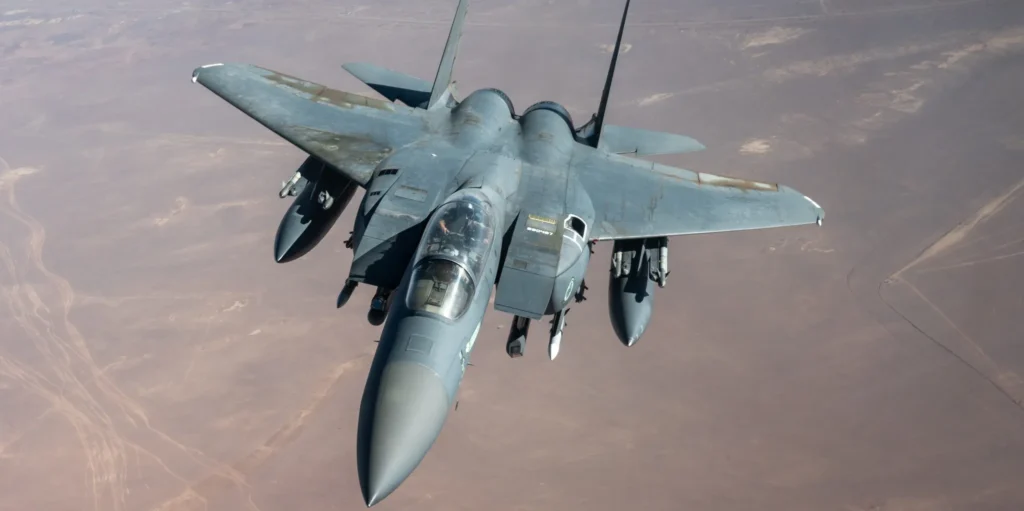
The president also highlighted that the operation involved a wide sweep of targets, including paramilitary Revolutionary Guard facilities, air defense systems, and nine warships, all in a matter of literally minutes.
On the battlefield, U.S. Central Command confirmed that B-2 stealth bombers struck Iran’s ballistic missile facilities with 2,000-pound bombs. That mirrors the strategy used in previous campaigns aimed at crippling Iran’s nuclear and missile capabilities.
The broader objective, as described by officials, is to degrade Iran’s capacity to project power in the region while keeping open channels for possible diplomatic engagement in the longer term. The narrative presented by supporters centers on a straightforward premise: strong leadership and decisive action are necessary to deter aggression and secure American interests abroad.
As the situation unfolds, supporters argue that the United States must stand firm against threats to regional stability.
They contend that the intervention demonstrates resolve and a commitment to national security that protects American citizens at home and allies overseas. Critics may warn of unintended consequences, but the messaging from the administration emphasizes a clear linkage between intelligence work, rapid execution, and strategic aims.
The outcome of those calculations will, of course, be judged over time, but the immediate impact is a renewed statement of American willingness to act with its allies to confront existential threats.
Join the Discussion
COMMENTS POLICY: We have no tolerance for messages of violence, racism, vulgarity, obscenity or other such discourteous behavior. Thank you for contributing to a respectful and useful online dialogue.