Four American service members were killed, and others were “seriously wounded” during U.S. military operations against Iran, U.S. Central Command officials said.
The deaths of three service members were initially announced over the weekend, but CENTCOM officials said early Monday that a fourth, who was “seriously wounded during Iran’s initial attacks, eventually succumbed to their injuries.”
Additionally, the command announced Sunday that five had been “seriously wounded” and “several” other troops “sustained minor shrapnel injuries and concussions,” but were in the process of being returned to duty.
Secretary of Defense Pete Hegseth said Monday at the Pentagon that the casualties were the result of an Iranian weapon hitting an American tactical operation center. He did not specify the location of the fatal strikes, though other publications have reported it was in Kuwait.
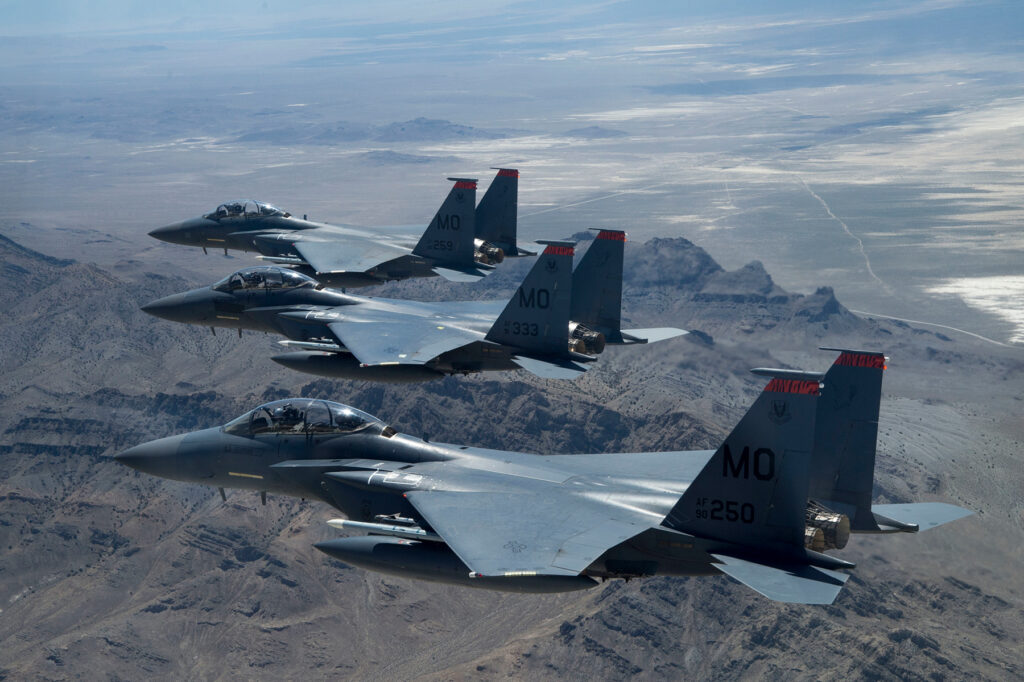
“You have air defenses and lots coming in, and you hit most of it, and we absolutely do. We have incredible air defenders. Every once in a while, you might have one — unfortunately, we call it a squirter — that makes its way through,” he said. “In that particular case, happened to hit a tactical operation center that was fortified. But these are powerful weapons.”
“Operations will remain active across the theater and across the globe,” Chairman of the Joint Chiefs of Staff Gen. Dan Caine said at a Pentagon briefing Monday morning.
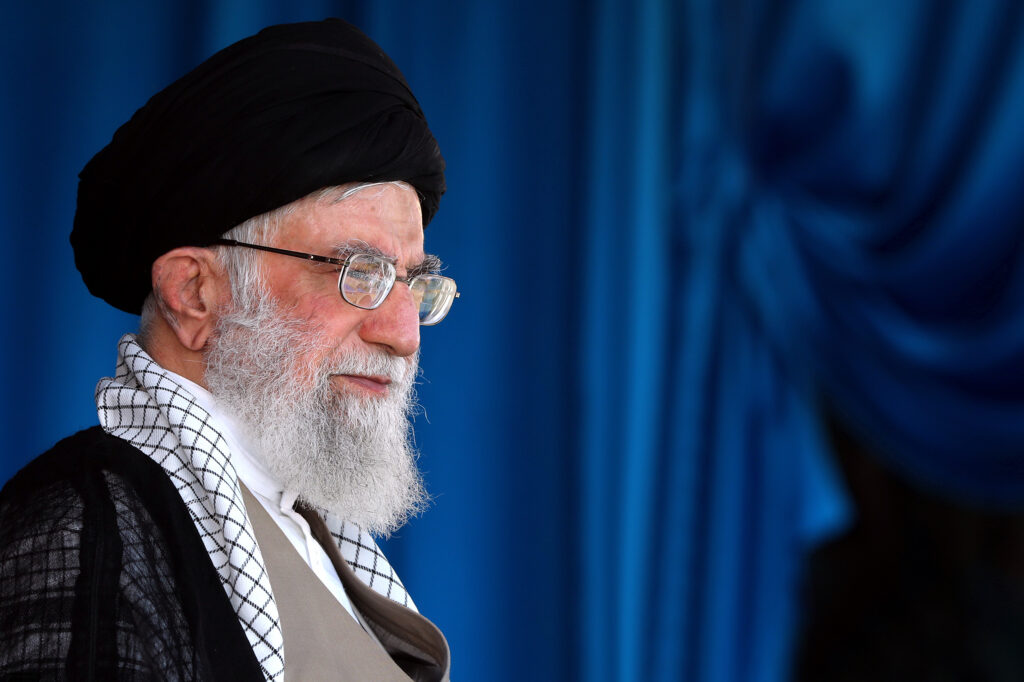
U.S. and Israeli forces began extensive air and missile strikes against Iran on Saturday. Iran’s Supreme Leader Ayatollah Ali Hosseini Khamenei was killed in airstrikes, President Donald Trump announced late Saturday afternoon.
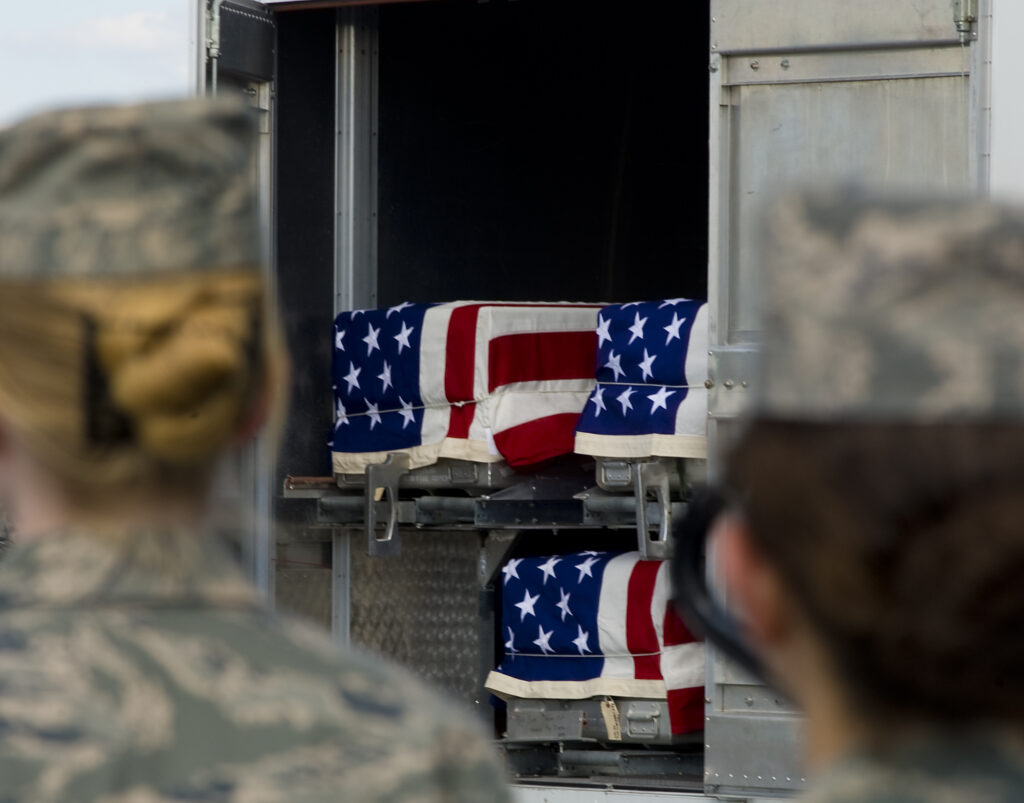
The U.S. operation, named Epic Fury, began around 1:15 a.m., Eastern Time, on Saturday, and it involved launching one-way attack drones and missiles at targets inside Iran, according to CENTCOM, which has released videos showing U.S. Navy ships firing Tomahawk cruise missiles and High Mobility Artillery Rocket Systems, or HIMARS, launching Army Tactical Missile System rockets, or ATACMS, which have a range of up to 186 miles.
On Sunday, CENTCOM announced that U.S. forces had sunk an Iranian frigate, and the command disputed Iranian claims that the aircraft carrier USS Abraham Lincoln had been struck.
“The Lincoln was not hit,” CENTCOM posted on X. “The missiles launched didn't even come close.”
This development underscores the volatility of the region as American forces continue operations meant to deter further aggression, while allied partners reassess strategic holdings and readiness in the face of persistent threats.
Military planners emphasize that the campaign will be managed with care, aiming to degrade capabilities while avoiding unnecessary broad escalation. Officials reiterate that the United States will act decisively to defend personnel and interests, even as they seek to minimize civilian harm and regional instability.
As assessments continue, officials stress that readiness remains the guiding principle. The goal is to maintain credible deterrence and to deter future attacks, protecting U.S. service members and regional allies alike.
Observers note that the losses are painful, but officials argue the actions are designed to send a clear message: aggression will be met with decisive response. The broader strategic question now centers on whether restraint or further pressure will prevail in the hours and days ahead.
The situation remains fluid, and leaders will monitor developments closely for any signs of de escalation or new provocations. Guardians of national security say they will remain vigilant, ready to adjust tactics as intelligence and battlefield conditions demand.
TANKS OF STATE?? No, the focus remains on disciplined, precise, and verified action aimed at restoring stability and signaling that rule of law and American resolve remain in effect.
Join the Discussion
COMMENTS POLICY: We have no tolerance for messages of violence, racism, vulgarity, obscenity or other such discourteous behavior. Thank you for contributing to a respectful and useful online dialogue.