If you’d like, I can adjust the tone to be more formal, more concise, or more explanatory while keeping it neutral.
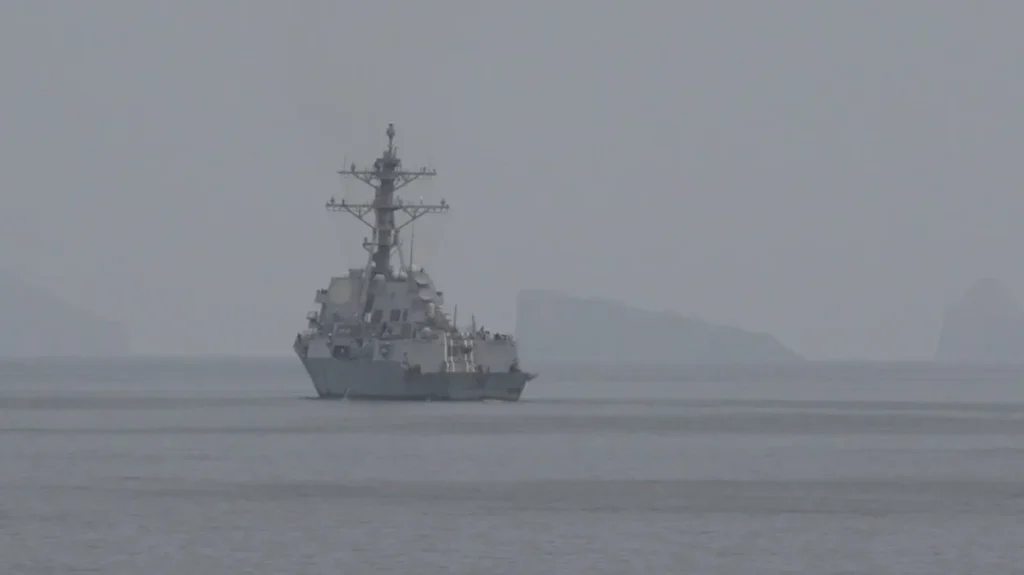
A sweeping maritime blockade led by the United States moved into its second day as CENTCOM reported that no ships had entered or left Iranian ports in the opening 24 hours.
The operation, backed by more than 10,000 troops and over a dozen warships, marks a significant escalation in the long-running effort to influence Tehran’s behavior.
The move centers on the Strait of Hormuz, a choke point through which a large share of the world’s oil passes, and places the corridor at the heart of a tense confrontation.
Here's What They're Not Telling You About Your Retirement
The blockade began Monday morning and applies to all vessels connected with Iranian ports.
By Tuesday, CENTCOM noted that six merchant ships had followed orders to turn around. Vessels not engaging with Iranian ports remain free to navigate the Strait, according to the command’s statements.
In addition to ships, the operation has mobilized substantial air power and surveillance resources. CENTCOM highlighted the involvement of more than 100 fighter and surveillance aircraft, along with guided missile destroyers, unmanned aerial platforms, and a littoral combat ship.
The sheer scale of the deployment underscores the seriousness with which American forces approach the mission.
This Could Be the Most Important Video Gun Owners Watch All Year
Analysts warn that enforcing a blockade of this magnitude could strain a fragile ceasefire framework and risk triggering retaliation from Tehran or allied groups. The prospect of sustaining such an effort over time also raises questions about its impact on global energy markets.
Any disruption to shipping through Hormuz could influence oil prices and, in turn, affect economic conditions at home and abroad.
President Trump signaled that the United States would stop any vessel that paid an Iranian toll, a policy that, if implemented, would require careful coordination with regional partners and international partners. However, operational details on how tolls would be enforced remain unclear, leaving observers to assess how the measure would be translated into practice on the high seas.
The strategic calculus behind the blockade combines a display of resolve with a concern for the potential consequences. Supporters argue that a credible enforcement effort can deter Iran from pursuing aggressive actions and reassure allies who depend on stable shipping routes in the region.
They contend that without a strong stance, Tehran might test the bounds of what could be tolerated in a volatile arena.
Critics caution that escalation could widen conflict and draw in Iran’s proxies or other actors seeking influence in the region. They emphasize the risk that the blockade could provoke a broader confrontation, long-term economic disruption, and a reshaping of regional security dynamics.
The balance between firmness and restraint remains a central point of debate among policy makers and strategic analysts.
The War Secretary’s office has framed the approach as purposeful and calculated, aiming to protect critical supply lines while maintaining an openness to diplomacy. Officials stress that pressure must be applied in a way that preserves essential energy flows and international commerce, even as Tehran is pressed to change its behavior.
The messaging centers on safeguarding global stability without plunging the region into deeper chaos.
Officials emphasize that visible enforcement capabilities and close coordination with allies will be essential as events unfold. The administration notes that decisions will hinge on ongoing assessments of risk, benefit, and the broader geopolitical context.
Market observers are watching for signs that could signal shifts in energy prices or future policy steps.
As the blockade progresses, the central question for governments, markets, and regional partners is whether a sustained approach can achieve its stated objectives without unleashing unintended consequences.
The outcome will depend on the interplay between enforcement, diplomacy, and the unpredictable dynamics of regional actors in the Middle East.
Join the Discussion
COMMENTS POLICY: We have no tolerance for messages of violence, racism, vulgarity, obscenity or other such discourteous behavior. Thank you for contributing to a respectful and useful online dialogue.