The Coast Guard is taking a page from the Army’s playbook and cranking up its push for excellence with a new way to honor its most physically fit warriors.
As the service prepares to roll out its first-ever universal physical fitness test, leaders are unveiling plans for a new medal to recognize the fittest of the fit — those who go above and beyond just passing the test.
Starting July 1, every member of the Coast Guard will face a mandatory three-event physical fitness assessment.
The test will feature push-ups, a timed plank, and a 1.5-mile run or comparable cardio event. It’s a straightforward standard, but for those gunning for a perfect score, the bar is set high.
MORE NEWS: Pentagon Confirms First Military Execution in Over 60 Years Will Be Publicly Livestreamed
A young male Coastie between 17 and 19 will need to knock out 67 push-ups in a minute, hold a plank for 3 minutes and 24 seconds, and blaze through the run in 8 minutes and 15 seconds — not exactly a walk in the park.
Capt. Chris Hulser, the chief of staff and executive assistant to the commandant, said the service wants to reward Coasties who live and breathe excellence.
“We wanted to introduce, ‘Here’s what you’ll be held accountable for, but here’s where you can excel,’” Hulser explained.
He noted that the Army already offers physical fitness ribbons and medals, and the Coast Guard plans to follow suit to build a stronger culture of winning within the ranks.
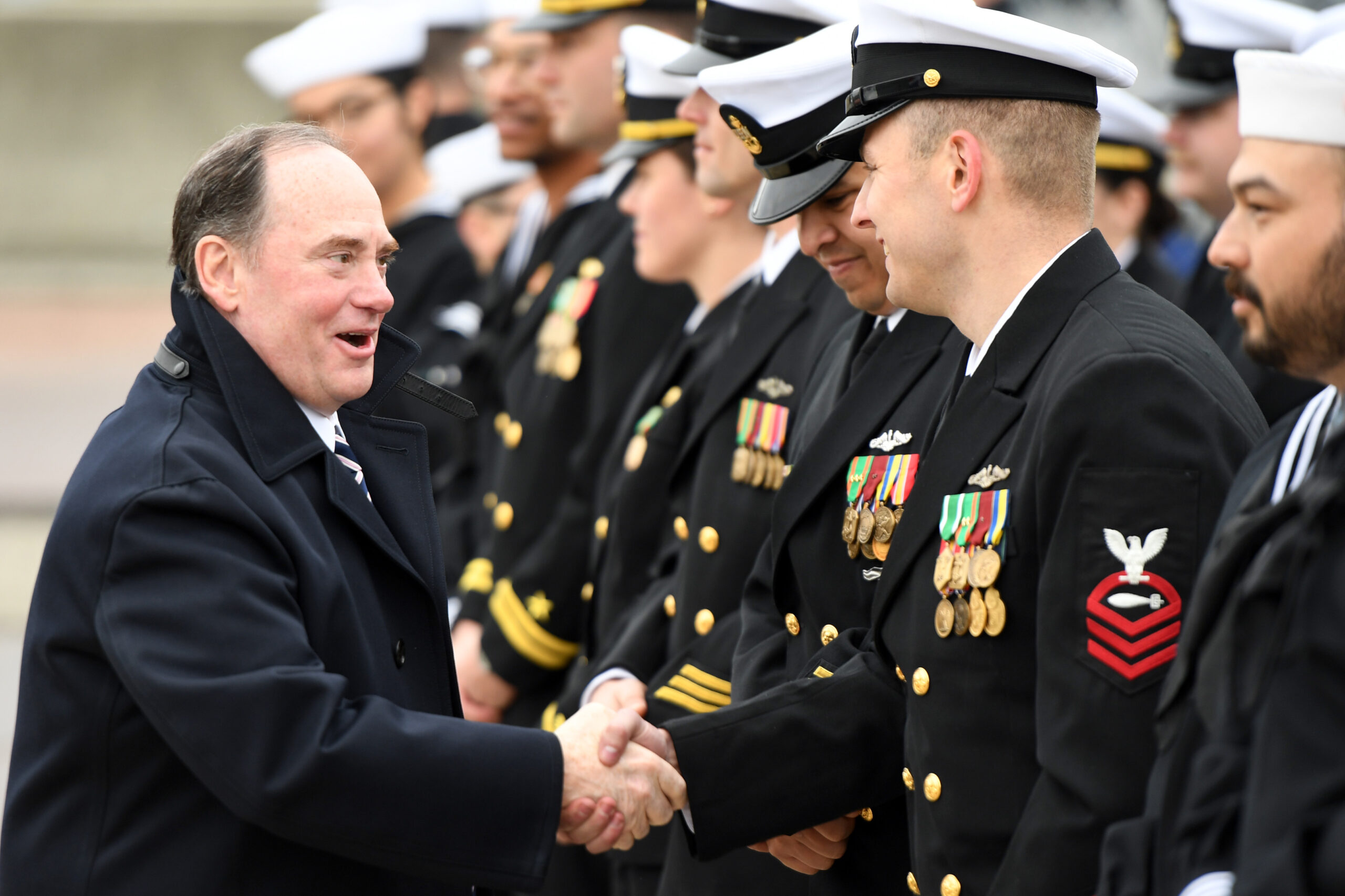
The medal, whose design will be shown in an upcoming all-hands message next month, is projected to take about a year to develop.
In the meantime, the new three-event test will become a core part of the twice-a-year physical readiness program — putting all Coasties on the same playing field for the first time ever.
The Army long led the way with such awards. Its now-retired Physical Fitness Badge was given to soldiers scoring at least 270 points on the old Army Physical Fitness Test, with no single event below 90.
That badge faded away when the Army shifted to the Army Combat Fitness Test in 2020. The ACFT itself is about to be replaced again by the new Army Fitness Test this June, as the service continues fine-tuning its approach to measuring combat readiness.
Meanwhile, the Navy once floated an “Outstanding Fitness Award” in 2015 but never followed through. The Coast Guard, however, is pushing ahead to make this reward part of a wider effort to reshape its entire fitness culture.
Leaders hope to link the new test with body composition standards, measuring overall health and performance together rather than dividing them into separate boxes.
“For years, we’ve looked at body composition as an administrative task, not part of fitness,” Hulser said. “We’ve only had half the pie. If you want to really look at someone’s health, their weight and visceral fat matter too.”
By connecting physical testing and body composition, the Coast Guard is aiming for a more complete picture of readiness — one that matches its mission and the demands of today’s operational tempo.
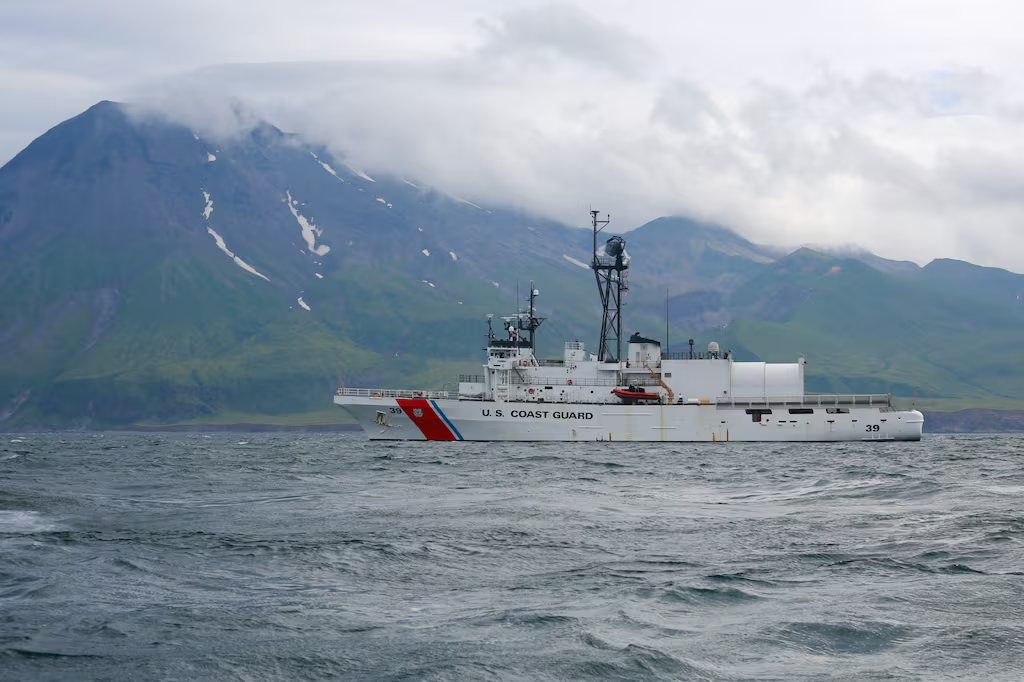
To prepare for the rollout, the service has delivered over 1,000 pieces of cardio equipment across installations, including rowers and treadmills.
Getting those machines out to far-flung posts wasn’t simple — some gear even needed to be flown by C-130 transport to remote locations like Coast Guard Station Valdez, Alaska.
“This isn’t trillions of dollars,” Hulser said. “This is millions. But the Coast Guard’s putting its emphasis where it says it needs to be.”
In addition, a new school for “physical readiness leaders” has been launched in Elizabeth City, North Carolina, under the service’s Athletic Performance Branch.
These trained leaders will guide testing, oversee fitness events, and help Coasties improve.
The program has already generated 1,500 credentialed PRLs, and by July, the goal is to double that to 3,000 across the approximately 50,000-member force.
“These 3,000 people will be distributed across the Coast Guard, coordinating those activities, administering the PFT, and helping people remediate,” Hulser said.
“We’re not in the business of throwing people out if they don’t pass the first time. This is about giving them a chance to train and meet the standard.”
This shift marks a real investment in building a fitter, stronger, more competitive Coast Guard. It’s about nurturing a winning mindset — the kind that doesn’t settle for the bare minimum, but strives for excellence.
In an era where far too many federal agencies spend time pushing social experiments instead of physical standards, the Coast Guard’s move is a refreshing reminder of what real readiness looks like.
By introducing a fitness-based award and building a system that rewards effort, the Coast Guard is sending a clear signal: this is a service that values strength, health, and accountability.
The medal may still be in development, but the message is already loud and clear — fitness matters, and the men and women who give their all to uphold that standard will be recognized for it.
At a time when the military faces recruitment and retention headwinds, initiatives like this help reignite pride in the uniform.
The Coast Guard’s focus on a culture of toughness, capability, and excellence fits right in with what America’s armed forces need more of — fewer excuses, more achievement.
Join the Discussion
COMMENTS POLICY: We have no tolerance for messages of violence, racism, vulgarity, obscenity or other such discourteous behavior. Thank you for contributing to a respectful and useful online dialogue.