A stunning leadership purge has hit the U.S. Navy’s ship repair facility in Yokosuka, Japan, where the commanding officer, executive officer, and senior enlisted leader were all relieved of duty this week.
According to Navy officials, Capt. Wendel Penetrante, Capt. Edwin Catubig, and Master Chief Petty Officer Thomas Dean Howell were fired due to a so-called “loss of confidence in their ability to command.”
Naturally, the brass offered little more than that overused bureaucratic phrase.
The trio headed the U.S. Naval Ship Repair Facility and Japan Regional Maintenance Center, the outfit responsible for keeping the 7th Fleet’s warships ready for action.
Here's What They're Not Telling You About Your Retirement
In other words, they managed one of the Navy’s most critical ship maintenance operations in the Indo-Pacific—a job that leaves no margin for incompetence.
The Navy’s public statement carefully avoided specifics, leaving sailors and analysts alike to guess what actually led to the removal of all three top leaders.
The military’s “loss of confidence” label is often code for any number of issues—ranging from leadership failures to personal misconduct that command doesn’t want aired publicly.
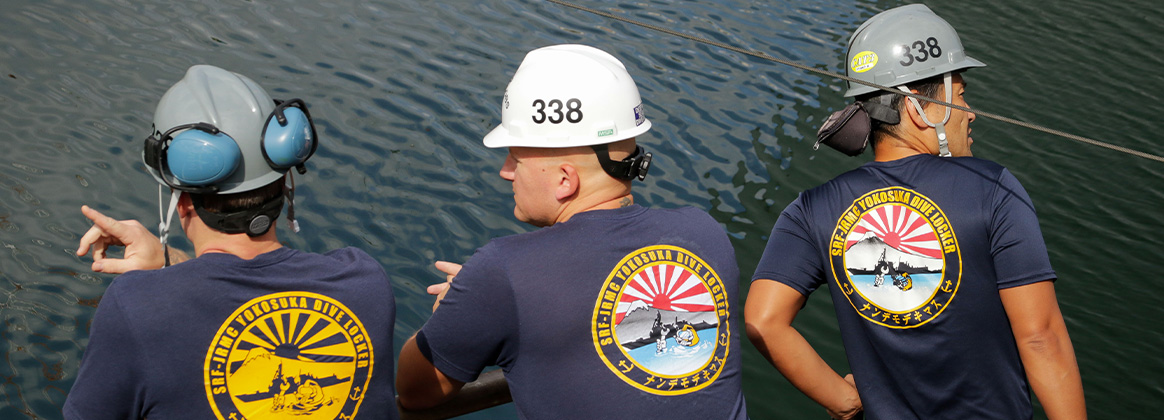
SEVENTH Fleet mission ready from Yokosuka & Sasebo, Japan and Singapore
This Could Be the Most Important Video Gun Owners Watch All Year
What makes this case stand out is that the entire chain of command was dismissed—an exceedingly rare move in naval circles. Usually, one officer gets relieved while the rest of the team keeps the ship or facility afloat.
Taking out all three suggests the Navy saw serious, systemic failures, not minor lapses.
Less than two weeks before the firings, the Navy was actually praising the same Yokosuka facility for its efficiency.
A May 12 press release commended the command for completing seven ship repairs—two mine countermeasures ships, three destroyers, and one amphibious transport dock—on time or early. Talk about a public relations 180.
Capt. Penetrante, who took over in February 2025, is no rookie. A career engineering duty officer since 2012, he previously served aboard submarines and an aircraft carrier.
His resume was seen as the very model of technical expertise and steady leadership. That makes his abrupt dismissal all the more puzzling.
Capt. Catubig came up through the ranks, first as an enlisted sailor and then as an officer after being commissioned in 2003. His experience aboard amphibious assault vessels and an aircraft carrier was supposed to bring a practical, deck-plate perspective to upper management. Now, he’s out the door with little explanation.
Master Chief Howell, the senior enlisted leader, has been in the Navy since 2001, serving on destroyers and an amphibious assault ship. The command master chief’s removal signals problems that may have extended deep into the enlisted ranks, perhaps even affecting morale or discipline.
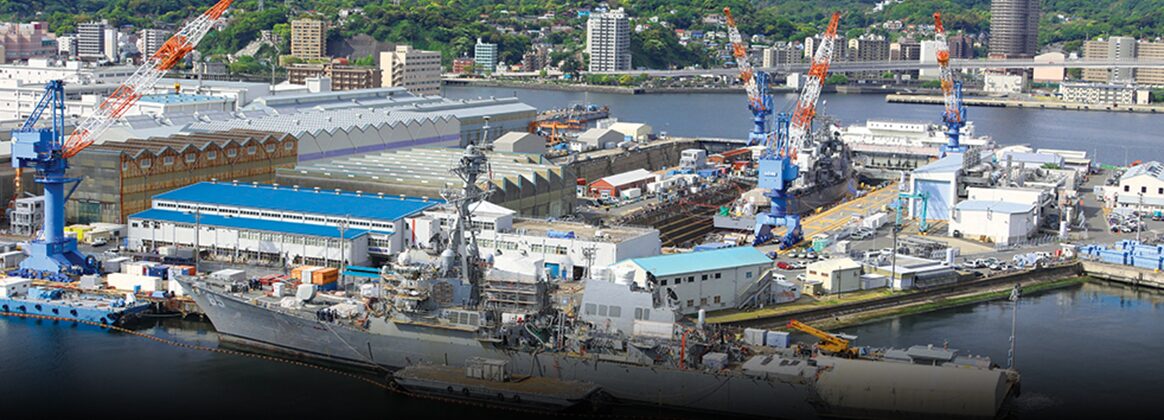
SEVENTH Fleet mission ready from Yokosuka & Sasebo, Japan and Singapore
The Navy’s silence on what precisely prompted this move leaves the field open for speculation. Was it a personnel matter? A failed inspection? Problems meeting readiness goals? A breakdown in command climate? The official line doesn’t say—but the simultaneous firing of all three senior leaders suggests something more substantial than paperwork errors.
At a time when America’s naval power faces increasing challenges in the Pacific—particularly from China’s rapidly expanding fleet—this type of internal failure is especially troubling. Washington relies on forward-deployed facilities in Japan to keep warships battle-ready.
If the leadership at one of those critical hubs faltered, it could ripple across the entire 7th Fleet’s operational tempo.
MORE NEWS: $10 Billion Price Tag and Bureaucratic Battles Loom Over Plans for Separate U.S. Cyber Force
Sailors stationed in Yokosuka reportedly were caught off guard by the announcement. One source told us the news “hit like a thunderclap” and left many wondering what could cause such a sudden and sweeping change.
The Navy said interim leaders are already in place to maintain operations, but rebuilding trust within the ranks won’t happen overnight.
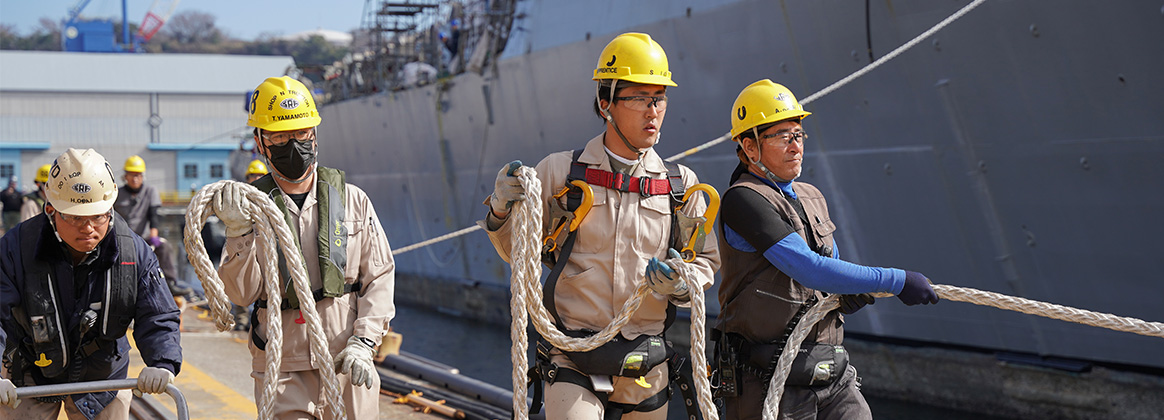
SEVENTH Fleet mission ready from Yokosuka & Sasebo, Japan and Singapore
Veteran observers note that mass firings like this typically follow long internal investigations. The War Department tends to move carefully before removing multiple senior leaders simultaneously. Whatever the findings were, they must have painted an unsalvageable picture of command performance.
There’s also the question of accountability beyond Yokosuka. If this maintenance hub had systemic issues, how many senior officers back in Washington looked the other way until it became a full-blown problem?
The Navy has been under scrutiny for years over ship maintenance delays, crew fatigue, and leadership burnout—symptoms of deeper cultural problems that no amount of “diversity training” or “climate reviews” can fix.
Still, the Navy’s handling of this situation shows at least one positive sign: someone finally drew the line. Commands that fail to meet expectations, whether from poor leadership or complacency, shouldn’t get a pass. Firing an entire leadership team sends a loud, if opaque, message that accountability is back on the table.
If this shakeup sparks genuine reform in Yokosuka, it could mean future victories for readiness.
But if it’s just another quiet purge swept under bureaucratic language and protected by “loss of confidence” jargon, then the same problems will resurface elsewhere.
Either way, sailors on the front lines deserve leaders who can command without question—and who can keep the fleet ready for the fight President Trump and War Secretary Pete Hegseth have vowed to win.
Join the Discussion
COMMENTS POLICY: We have no tolerance for messages of violence, racism, vulgarity, obscenity or other such discourteous behavior. Thank you for contributing to a respectful and useful online dialogue.