The U.S. Army has a fully developed plan to execute military prisoners on death row if President Donald Trump authorizes it, marking the first coordinated federal military execution operation in decades.
Known as “Operation Resolute Justice,” the mission underscores the seriousness of restoring accountability through capital punishment after years of hesitation and political cowardice in Washington.
Army officials confirmed that the operational blueprint is ready to move.
The plan would involve coordination between the Army and the Federal Bureau of Prisons to transfer convicted inmates from Fort Leavenworth, Kansas, to the Federal Correctional Institution in Terre Haute, Indiana—the nation’s designated site for carrying out federal executions.
Here's What They're Not Telling You About Your Retirement
The operation would also include arrangements for witness viewing stations, standard protocols under federal law for executions.
An Army spokesperson said this plan has been exercised for two decades as part of regular readiness drills. “Exercises regarding this operation have been conducted regularly for the past twenty years,” said Cynthia Smith.
“These drills are a standard component of our continued planning and preparation if the president approves a death sentence.” But now, with a commander-in-chief willing to make tough calls, those preparations could finally mean something.
Under the Uniform Code of Military Justice, only the president can approve a military execution. Past administrations have avoided that responsibility, leaving justice unfinished for victims and their families.
This Could Be the Most Important Video Gun Owners Watch All Year
The last U.S. military execution took place in 1961, and since then, legal delays and presidential inaction have kept even the most heinous crimes unpunished at the ultimate level.
Currently, four former soldiers occupy military death row at Fort Leavenworth: Timothy Hennis, Nidal Hasan, Ronald Gray, and Hasan Akbar. Their cases represent some of the most brutal betrayals of uniformed service in modern times.
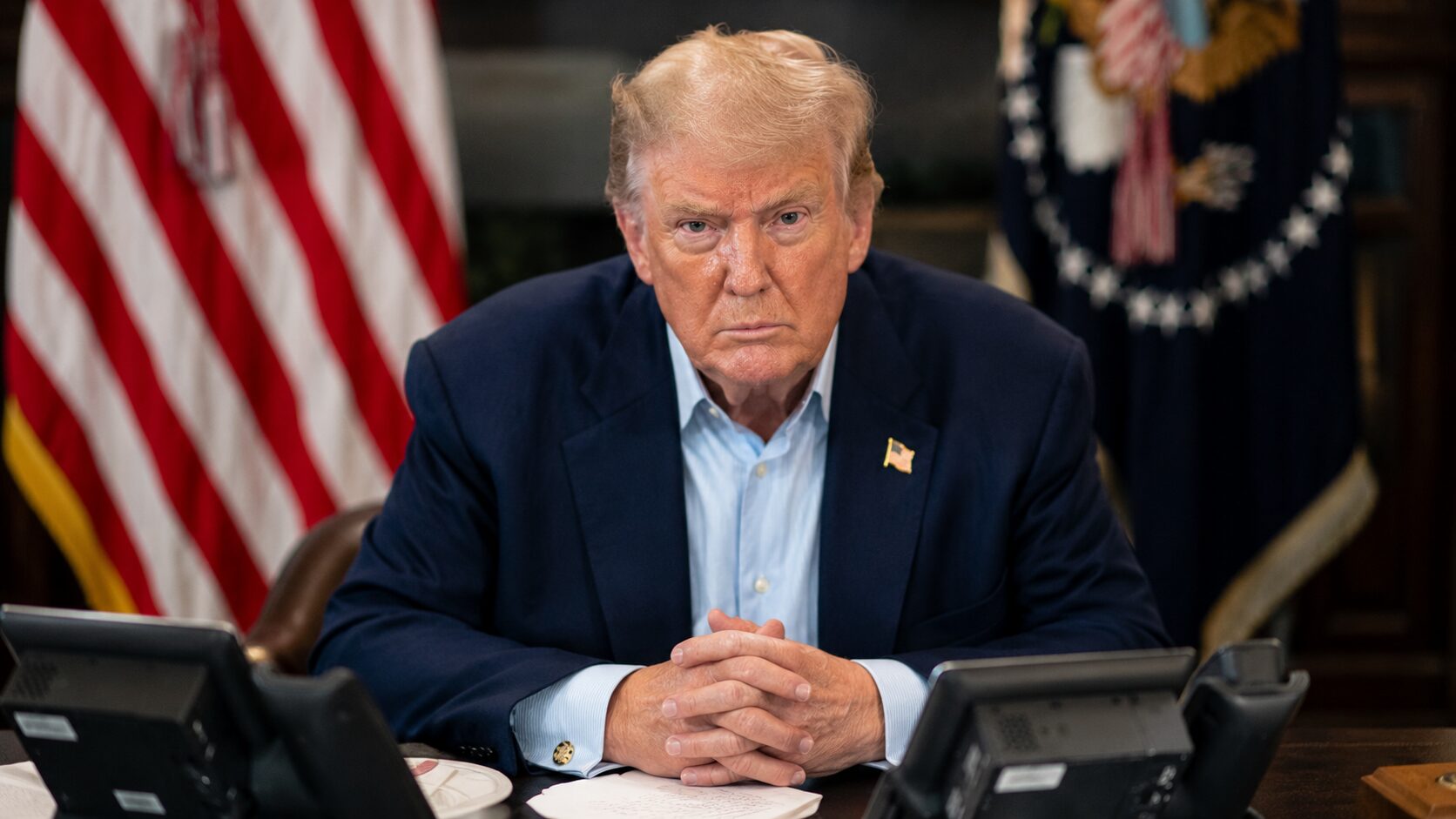
Each was court-martialed and sentenced to death for murder—including mass killings on American soil and in combat zones.
In January 2025, President Trump signed an executive order reinstating the death penalty and abolishing the moratorium imposed under earlier administrations.
That same order directed the Department of Justice to resume active pursuit of death sentences in eligible cases, signaling a broader commitment to restoring justice and deterrence.
According to War Department insiders, Secretary of War Pete Hegseth has worked closely with the White House to ensure readiness for these long-overdue executions.
Of particular note is former Army Maj. Nidal Hasan, the radicalized shooter who murdered 13 people and wounded dozens more at Fort Hood in 2009.
Hasan’s attack, inspired by jihadist ideology, was a glaring example of how political correctness allowed dangerous individuals to remain within the ranks.
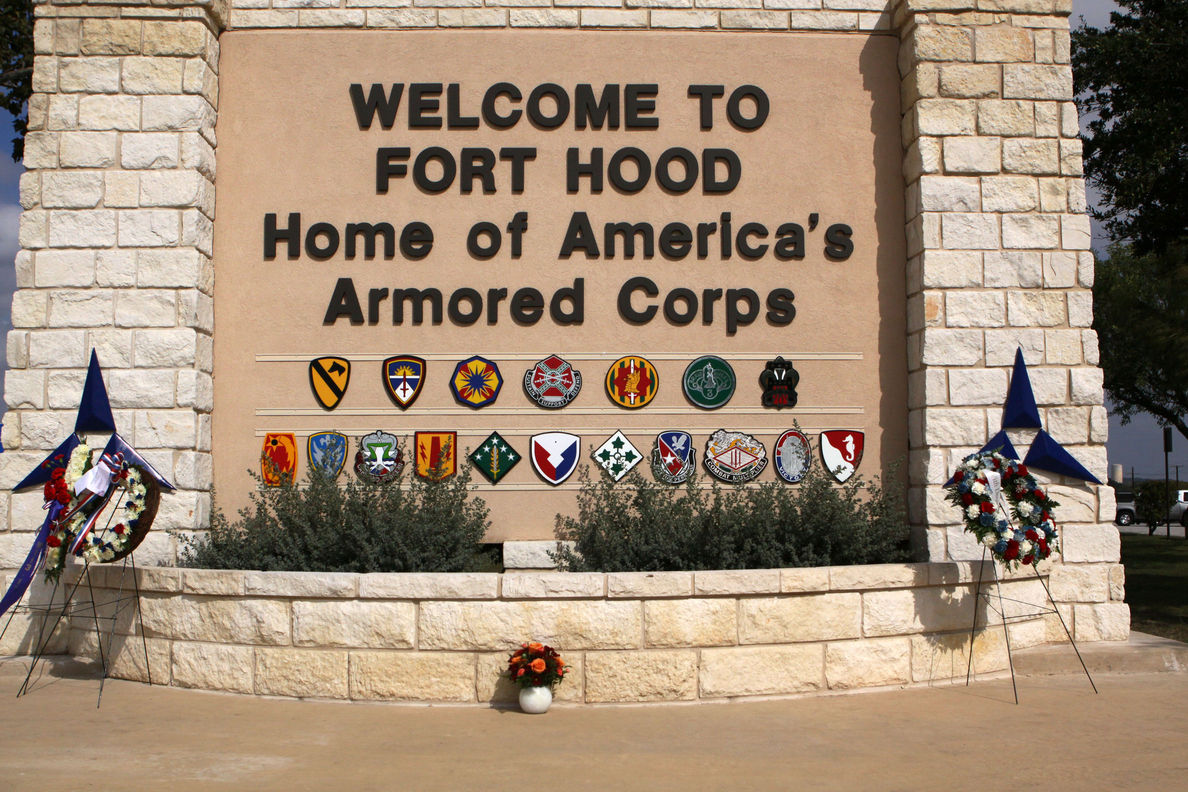
During his trial, Hasan admitted guilt and declared loyalty to the enemy, calling himself a soldier for Islam. He later said the death penalty would make him a “martyr.”
The notion disgusts most servicemembers, and Hegseth has made clear that true justice means ensuring terrorists in uniform face the ultimate sanction.
Another case is that of Ronald Gray, convicted in 1988 of multiple murders and rapes, including attacks against fellow soldiers. Although President George W. Bush approved his execution in 2008, years of endless appeals stalled the process.
Courts have since lifted the holds on his sentence, clearing the way for final action pending presidential approval.
Army Sgt. Hasan Akbar, another death row inmate, was convicted of murdering fellow American troops in a 2003 hand grenade and rifle assault at Camp Pennsylvania in Kuwait, an act committed against his own unit on the eve of war.
His cowardly ambush killed two officers and wounded 14 others. Secretary Hegseth recently awarded Purple Hearts to the soldiers injured in that attack, reflecting a renewed focus on justice for the victims.
Timothy Hennis’s story stretches back nearly four decades. A former master sergeant, Hennis was linked through DNA evidence to the 1985 triple murder of a woman and her two children.
Although his original conviction was overturned, the military retried him in 2010, resulting in a death sentence that has withstood appeal after appeal. He remains on death row awaiting presidential review.
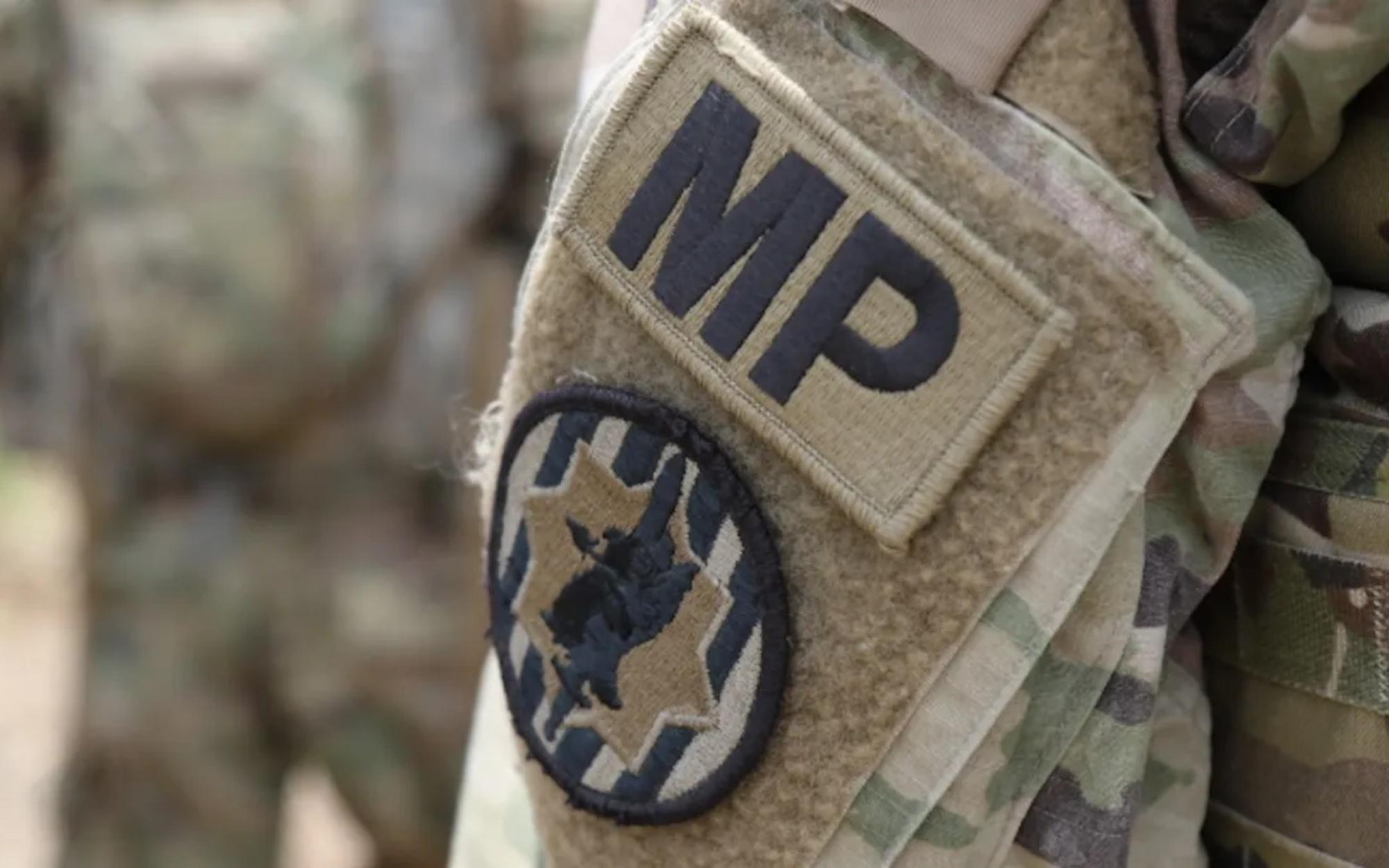
Between 1916 and 1961, the U.S. military executed 135 criminals—proof that the system once worked swiftly and effectively.
But for too long, political leaders lacked the fortitude to enforce justice within the ranks. As Frank Rosenblatt, president of the National Institute of Military Justice, admitted, “It takes some political will to do this.”
That will has returned under President Trump and Secretary Hegseth, who have emphasized law, order, and moral clarity over excuses and delay.
Military families, victims, and many veterans view “Operation Resolute Justice” as not just a plan, but a promise—that crimes committed by those who betray their oath in the most despicable ways will not go unanswered.
The military’s role is to defend the nation, not to serve as a refuge for killers and traitors hiding under a uniform.
If the President gives the go-ahead, these long-pending cases will move from the dusty archives of indecision to the final pages of military history, proving that when it comes to protecting America’s honor, justice delayed will no longer be justice denied.
Join the Discussion
COMMENTS POLICY: We have no tolerance for messages of violence, racism, vulgarity, obscenity or other such discourteous behavior. Thank you for contributing to a respectful and useful online dialogue.