After months of tension in one of the most contested waterways on Earth, President Donald Trump announced that the U.S. Navy will lift its blockade of the Strait of Hormuz following a landmark peace agreement reached with Iran.
The decision ends an intense two-month naval standoff that had brought global shipping and oil traffic to a crawl through the critical chokepoint.
Trump declared the order himself on social media, stating that he had authorized “the immediate removal of the United States Naval blockade.”
The move followed confirmation from Pakistani Prime Minister Shehbaz Sharif, who revealed that both sides had settled the terms of peace and would formally sign the agreement in Switzerland on June 19.
Here's What They're Not Telling You About Your Retirement
It’s a moment of definitive leadership from Trump, one that established a path toward stability without compromising America’s strategic dominance.
For nearly two months, the U.S. and Iran had been locking horns in a maritime game of brinkmanship. Each nation effectively ran its own blockade — Iran controlling which ships could pass, and the U.S. Navy intercepting unauthorized vessels or neutralizing them altogether.
CENTCOM reported that U.S. naval forces directed more than 140 ships and disabled nine during the operation, a sign of how serious the confrontation had become.
The Trump administration kept operations sharp and focused on strength, deploying aircraft carriers, destroyers, and maritime patrol aircraft to make it unmistakably clear that the Strait of Hormuz would not bend to Iranian aggression.
This Could Be the Most Important Video Gun Owners Watch All Year
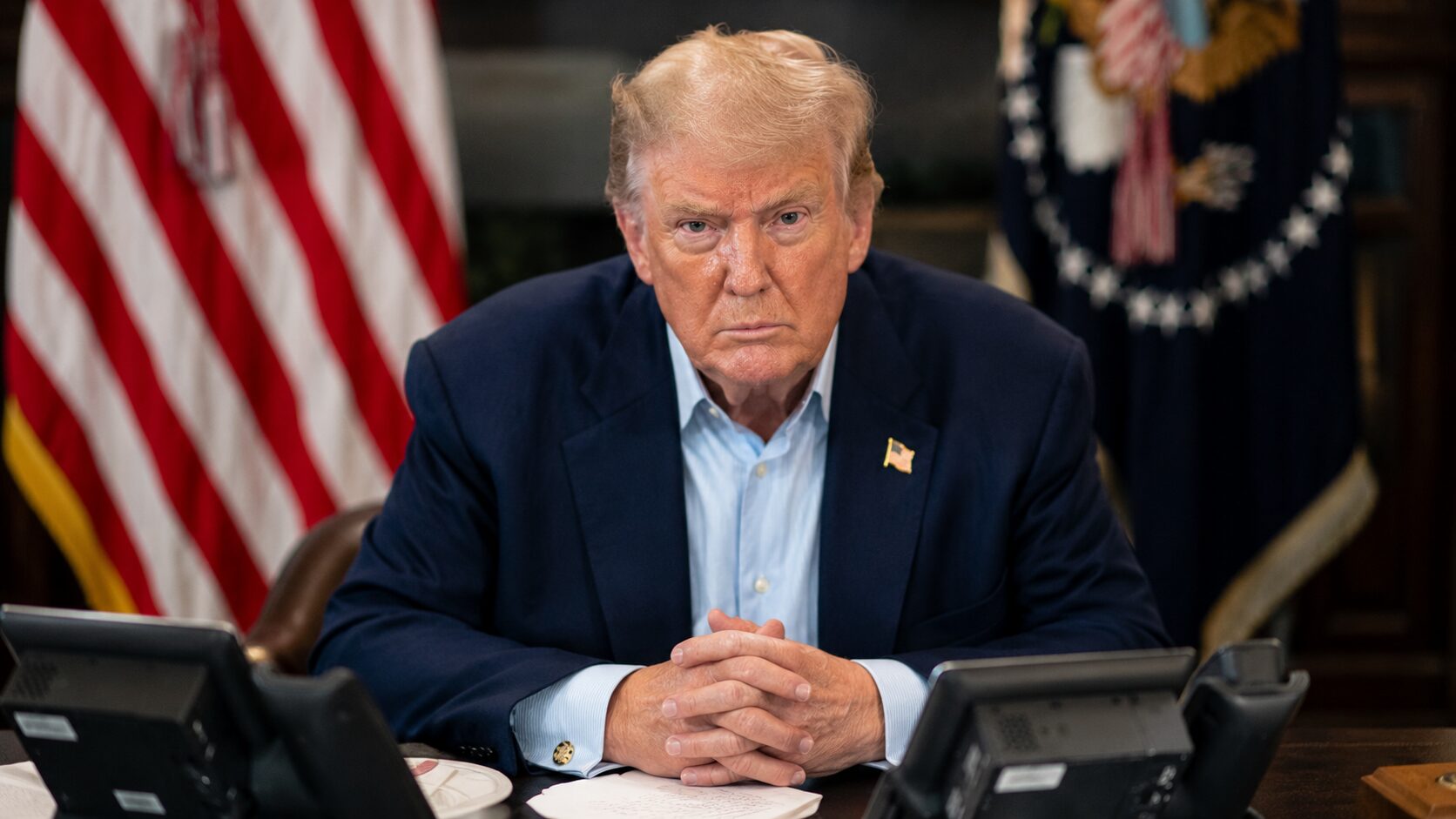
Yet when a deal became viable, Trump seized the opportunity for peace through strength — a hallmark of his foreign policy philosophy since taking office.
Officials from U.S. Central Command and the War Department had yet to comment publicly on the agreement or the drawdown. Still, Trump’s order signals that Washington is fully committed to enforcing the peace once signed. The message is clear: the United States controls the tempo, and Iran knows it.
Pakistani Prime Minister Sharif said in his public statement that “both sides have declared the immediate and permanent termination of military operations on all fronts, including in Lebanon.”
That’s no small note. The Lebanese front has been a major sticking point, with Iranian-backed operatives clashing with Israeli forces and airstrikes lighting up the skies over Beirut’s suburbs. Tehran’s complaint about those strikes nearly derailed the diplomatic effort, yet the Trump-led negotiations forged a way through.
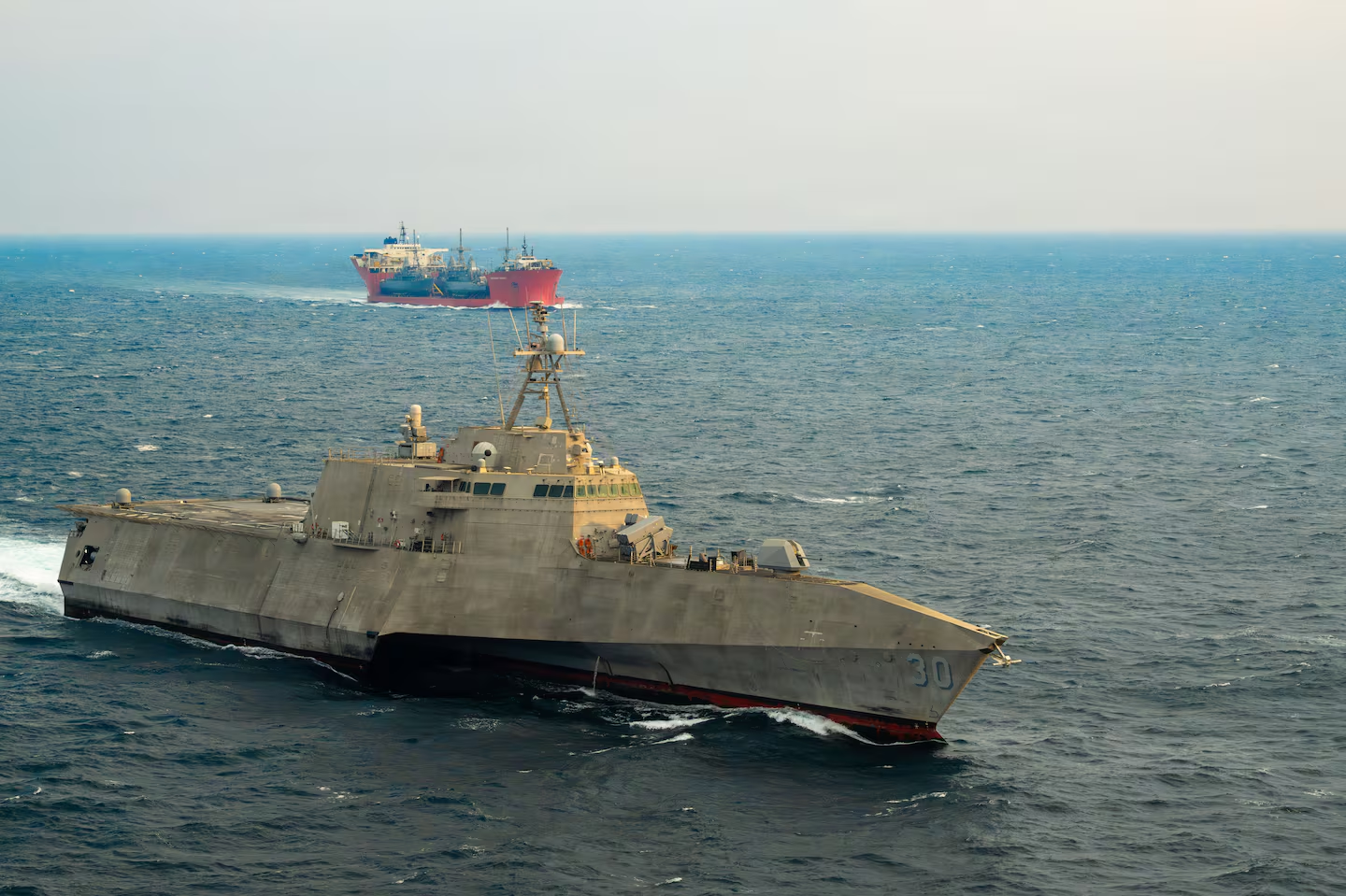
Iranian Deputy Foreign Minister Kazem Gharibabadi also confirmed the peace accord and the immediate end of U.S. naval hostilities, signaling that even Tehran recognized Trump’s resolve at the table.
The deal sets in motion a 60-day window for further negotiation toward a fully ratified peace plan—an ambitious but clear roadmap born out of American deterrence.
This ceasefire doesn’t come without scars. After the breakdown of the April ceasefire, fighting flared hard across the Middle East. In just the past week, Iran had lobbed missiles toward Bahrain, Kuwait, and Jordan, while the U.S. and Israel pounded Iranian positions, including within Tehran itself.
Even then, Trump made it clear last Thursday that large-scale retaliatory attacks were being paused, though smaller skirmishes persisted. Now, with the formal cessation ordered, the operational tempo in the region should ease significantly.

Since the conflict’s start in February, American forces have borne the brunt of Iran’s belligerence.
More than 400 U.S. servicemembers were wounded, 13 lost their lives, and several aircraft — including F-15s, refueling tankers, and helicopters — were destroyed. Bases across the Middle East took hits, radar stations were damaged, and operations became harder by the week.
Yet through it all, the War Department maintained pressure on Iran’s military network, targeting launch sites and infrastructure with precision.
The reality is that peace doesn’t arise from weakness. It emerges when an adversary sees the futility of further escalation. Trump’s critics, both foreign and domestic, doubted his strategy.
They underestimated his ability to use American might as leverage without descending into endless war. But once again, the Commander in Chief delivered results — peace through unmistakable superiority.
Many analysts had predicted a lengthy standoff, perhaps even a full naval war. Instead, Trump’s surprise announcement flipped the narrative.
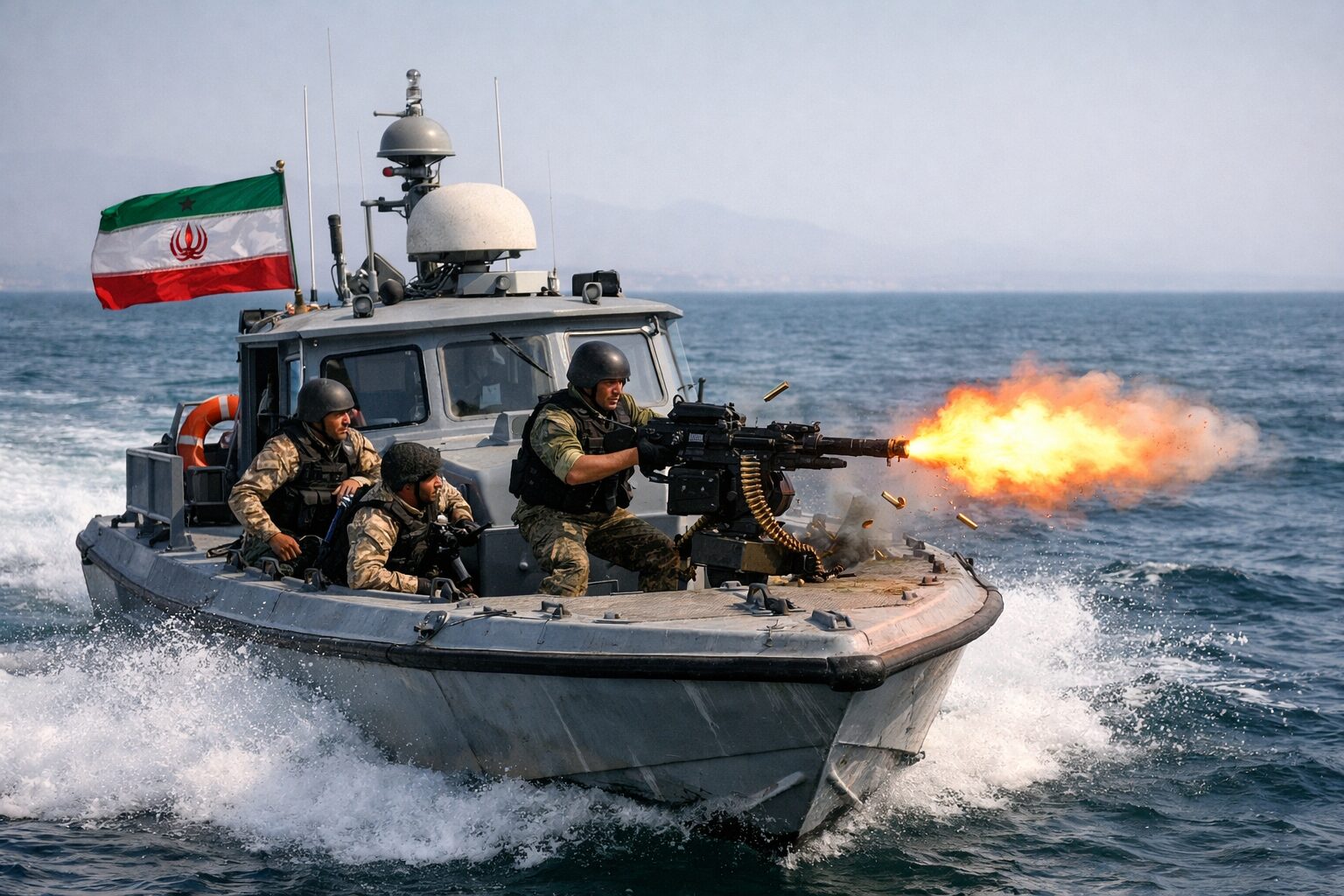
He demonstrated that America could dominate militarily and then pivot to diplomacy on its own terms.
That move underscores a governing philosophy familiar to veterans and hawks alike: America negotiates from a position of unmatched capability, not appeasement.
The world will now watch as negotiators gather in Switzerland to sign and finalize the deal. A 60-day negotiation period may seem long, but it’s a blink compared to the decades of hostility bridging Washington and Tehran.
For now, trade will soon move freely through Hormuz again, ensuring global energy stability and showing that American naval power remains second to none.
Trump’s order ends one of the most precarious flashpoints in modern history, not by retreating, but by winning. He stood eye to eye with Iran’s regime, held his ground, and forced peace on terms built by strength — exactly how America should lead.
Join the Discussion
COMMENTS POLICY: We have no tolerance for messages of violence, racism, vulgarity, obscenity or other such discourteous behavior. Thank you for contributing to a respectful and useful online dialogue.