The United States is keeping its combat power firmly in place across the Middle East, even after signing an electronic peace agreement with Iran.
Despite the diplomatic fanfare, Washington isn’t budging an inch on troop posture, signaling that America’s military muscle remains ready for whatever comes next.
A senior U.S. official made it clear that while the administration hopes to see progress, no drawdown is in the cards right now. “The plan is to keep to the current force posture during the succeeding negotiations,” the official said.
“We hope to draw them down, but we’re not doing that yet.” That line alone tells the real story — this “peace deal” is on paper, not in practice.
MORE NEWS: Pentagon Confirms First Military Execution in Over 60 Years Will Be Publicly Livestreamed
Washington is talking, but its aircraft carriers and Marines are staying put.
Roughly 50,000 American troops remain spread across key positions in the region, with two carrier groups — the USS Abraham Lincoln and the USS George H.W. Bush — acting as the iron backbone of deterrence. It’s a show of strength that says: we’ll talk peace, but we’re still packing a punch.
The official doubled down on the message that trust is not a given when dealing with Tehran. “We want to see, again, that the Iranians do what they promised they’re going to tell us that they’re going to do,” the official said.
That circular phrasing perfectly reflects Washington’s cautious mindset — after decades of Iranian deception, the U.S. isn’t ready to take them at their word.
While the agreement has been touted as a step toward calm, key details remain shrouded in secrecy.
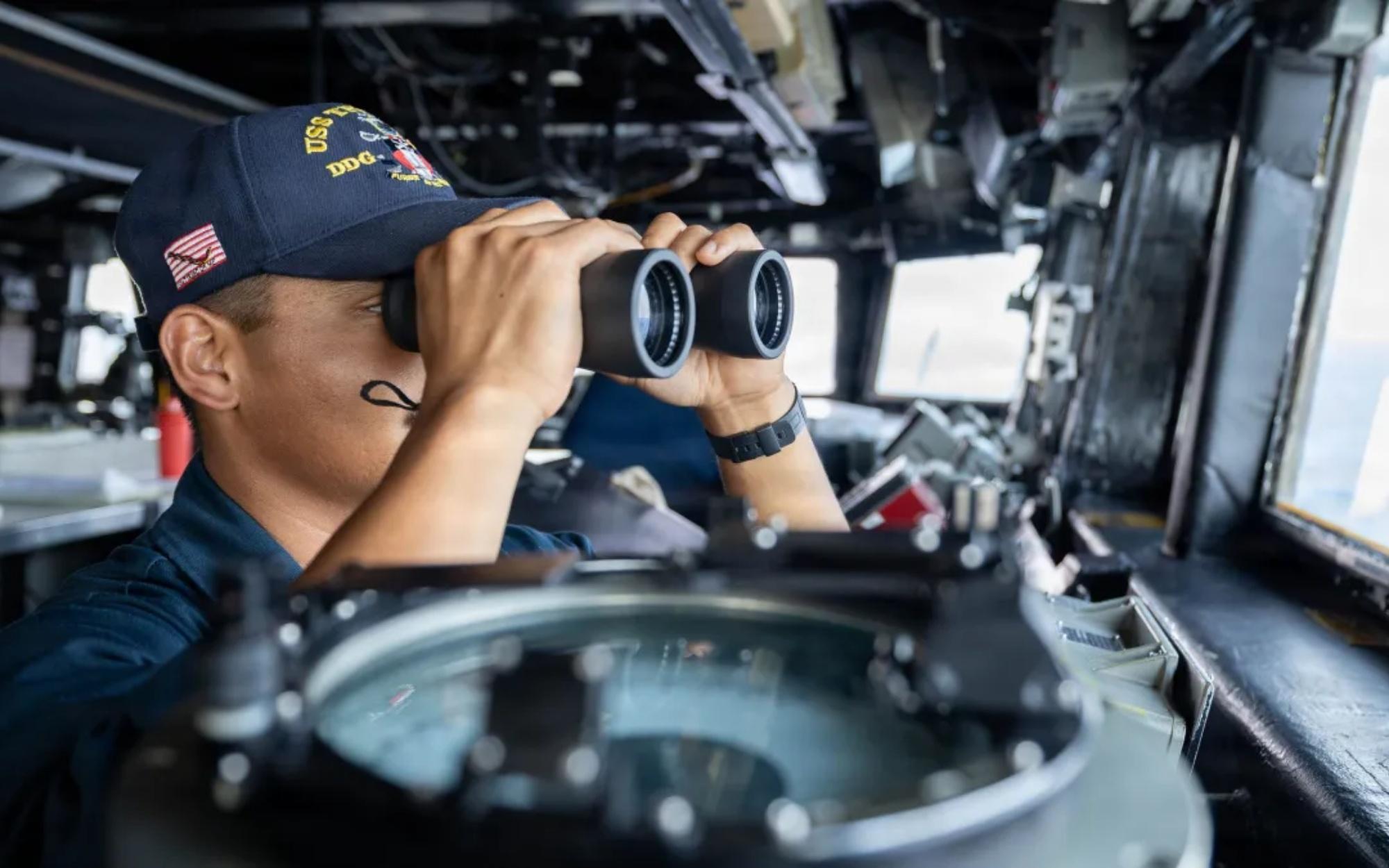
The memorandum’s full text hasn’t been made public, and officials admit that the tough issues — like how far Iran’s nuclear ambitions go — have been punted down the road. Negotiations to iron those out are slated for the next 60 days, but few expect miracles.
For now, the agreement’s first phase means an extended ceasefire, the reopening of the vital Strait of Hormuz, and the lifting of a U.S. naval blockade on Iranian ports.
Those moves may relax tensions on the surface, but they also give Iran breathing room — something critics warn could be dangerous if the regime uses it to rebuild strength or stall inspections.
The Trump administration’s call to keep the U.S. posture locked and loaded makes one thing clear: this “peace” is fragile.
A single rocket launch or covert nuclear violation by Tehran could easily unravel months of talk. The message from Washington is unmistakable — peace will hold only as long as Iran behaves.
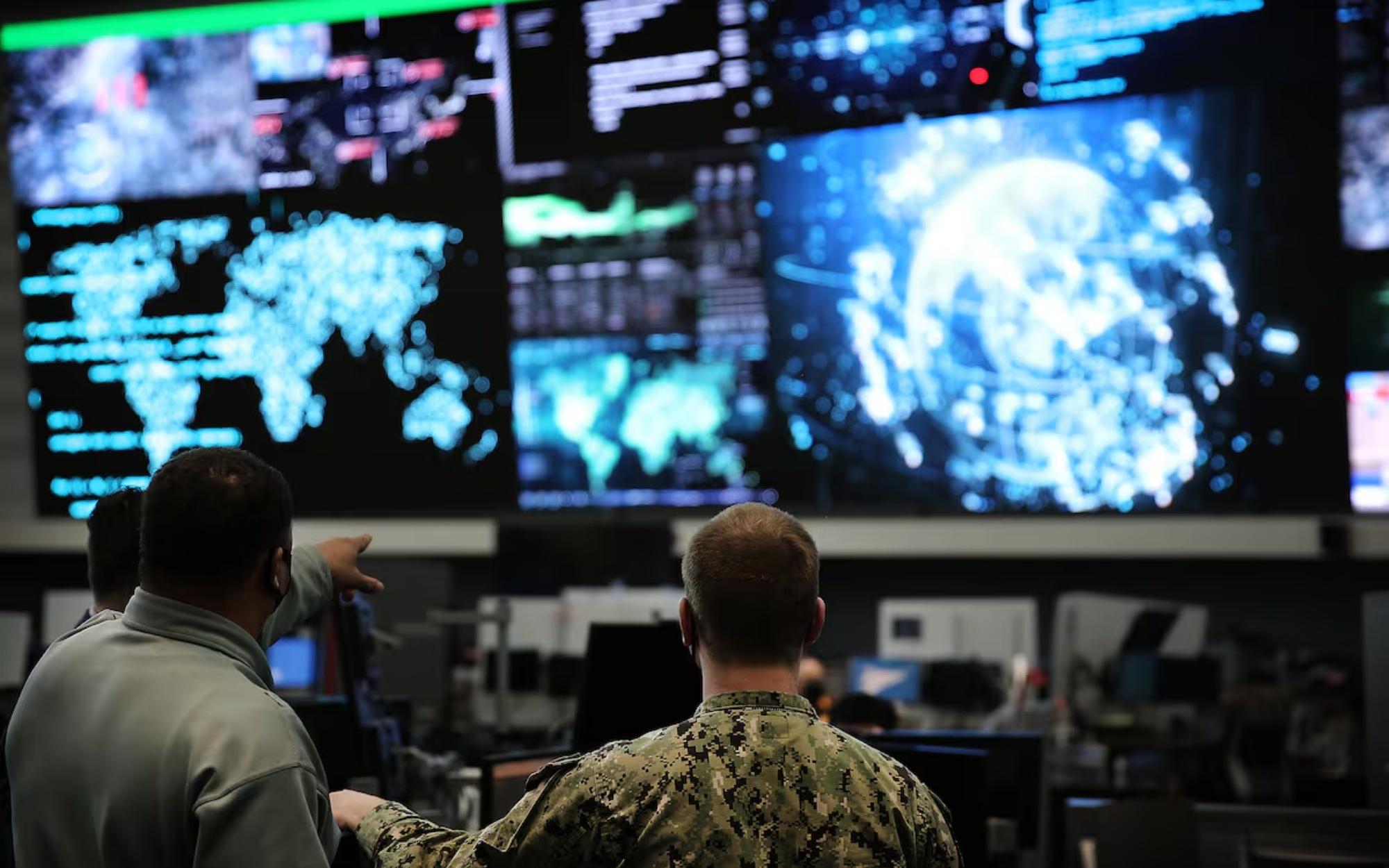
Maintaining carrier presence in the Persian Gulf serves a dual function.
It not only reassures U.S. allies like Israel, Saudi Arabia, and the UAE, but also reminds Iranian hardliners that America’s response can shift from diplomatic to kinetic in seconds if the situation demands it. This is strategic steadiness, not saber-rattling.
War Secretary Pete Hegseth and top Pentagon brass have repeatedly said American deterrence depends on readiness, not rhetoric.
And with Biden’s era of weakness fading fast, the new Trump team appears determined to show that America’s friends and foes alike will once again respect U.S. red lines. Iran’s “deal” moment isn’t going to rewrite that policy.
Admiral Brad Cooper of Central Command highlighted the scale of the deployment, noting that the Persian Gulf remains one of the world’s most volatile flashpoints. “Our posture allows us to defend our partners, our people, and our interests in the region,” he said.
Those are not hollow words but a reminder that America still carries the big stick globally.
Critics in Washington who call for immediate withdrawal or large-scale troop cuts ignore the lessons of the past. Every time an American administration tried to retreat from the region, Iran and its proxies filled the vacuum.
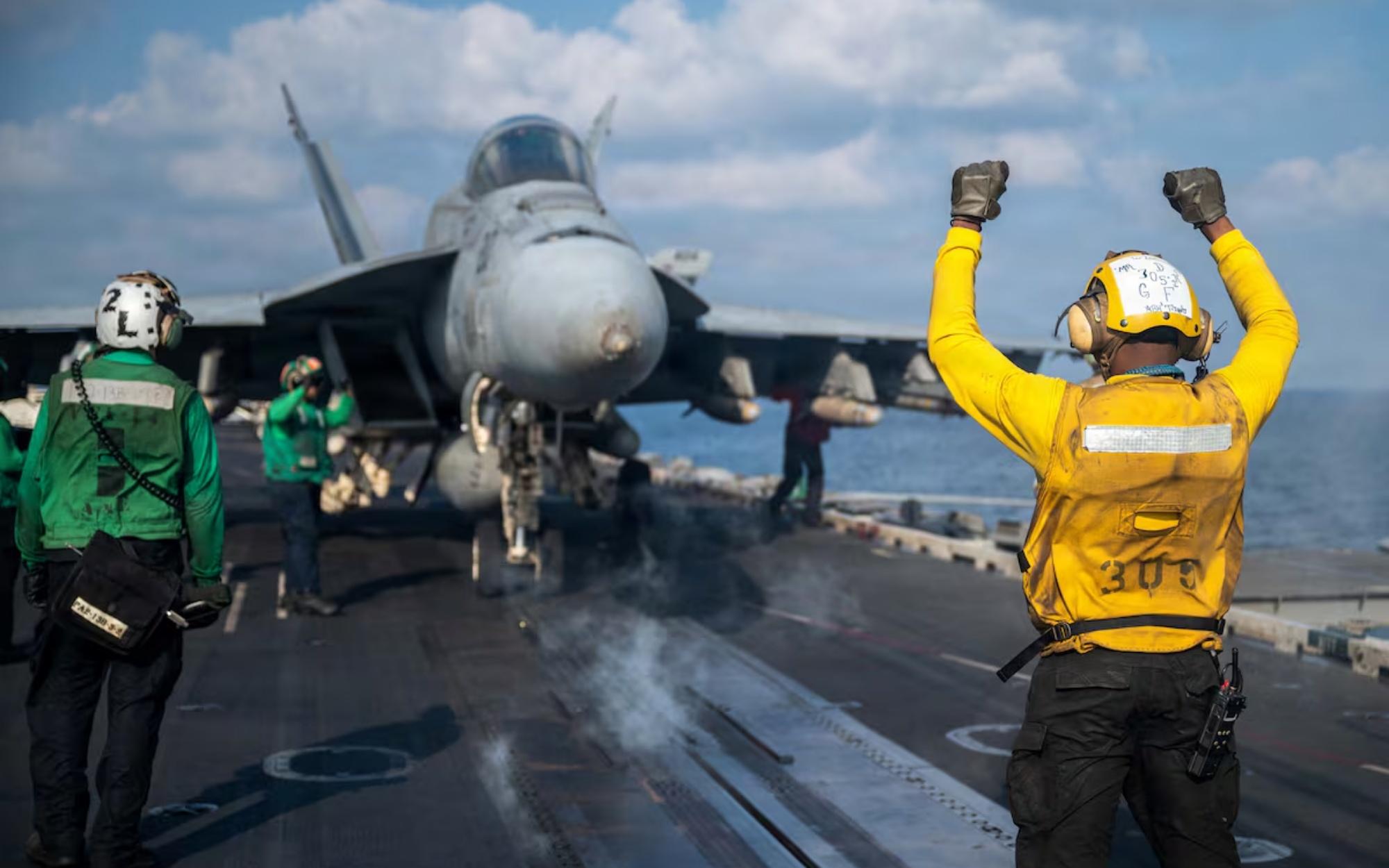
From Hezbollah to the Houthis, Tehran has turned every power gap into a launchpad for chaos. The Trump administration seems determined not to repeat that mistake.
Ultimately, the White House is taking a pragmatic approach. A signed deal may sound good on paper, but as seasoned officers remind us, Iran’s word has rarely matched its actions.
Until Tehran proves itself through verifiable compliance — not just vague promises — U.S. combat forces will remain right where they are, ensuring stability the hard way.
Whether these next two months of talks yield anything meaningful will depend entirely on Iran’s willingness to live up to its side of the bargain. Don’t expect the War Department to take chances.
For now, America’s message remains loud and clear: peace through strength is back — and this time, the strength isn’t negotiable.
Join the Discussion
COMMENTS POLICY: We have no tolerance for messages of violence, racism, vulgarity, obscenity or other such discourteous behavior. Thank you for contributing to a respectful and useful online dialogue.