The U.S. military is once again stepping up when the world calls for help — this time leading the charge in planning America’s humanitarian relief mission to earthquake-stricken Venezuela.
The country was slammed on Wednesday by two massive quakes measuring 7.1 and 7.5, leaving widespread devastation and at least 164 people dead. According to U.S. Southern Command (SOUTHCOM), American joint forces are already in motion to deliver lifesaving aid and expertise where it’s needed most.
SOUTHCOM confirmed in a statement that American military planners are coordinating across agencies, utilizing “unmatched airlift, logistics, and lifesaving capabilities” to support Venezuela’s government during the crisis.
While movement on the ground has not yet been confirmed, the command emphasized that rapid planning is underway to bring assistance to one of the Western Hemisphere’s most unstable nations.
At the moment, U.S. troops have not been officially tasked with deployment into Venezuela, but SOUTHCOM’s planning cell is in full swing. The team, operating under direction from the War Department, includes disaster response experts from the Bureau for Humanitarian Assistance.
Their job is to streamline decision-making and mission coordination during this critical window following the disaster.
“The command has established an operational planning team that includes experienced subject matter experts,” SOUTHCOM noted on social media, adding that they are coordinating “closely with regional allies who have pledged to join in international assistance.”
The U.S. often leads such efforts around the world because, frankly, no other nation can match the rapid response capabilities of American forces.
President Donald Trump reaffirmed that the United States “stands ready, willing, and able” to help Venezuela. He directed every relevant agency to prepare for immediate action, emphasizing America’s role as both a humanitarian leader and a stabilizing force in the hemisphere.
“When disaster strikes, America doesn’t hesitate,” the President said in a brief social media statement.
The State Department, led by a newly energized team under Trump’s direction, announced that a task force is up and running to coordinate global and interagency relief action.
Jeremy Lewin, the department’s official overseeing humanitarian affairs, explained that the United States is already lining up search and rescue teams, medical supplies, and relief infrastructure to arrive in the “crucial first days” after the quakes.
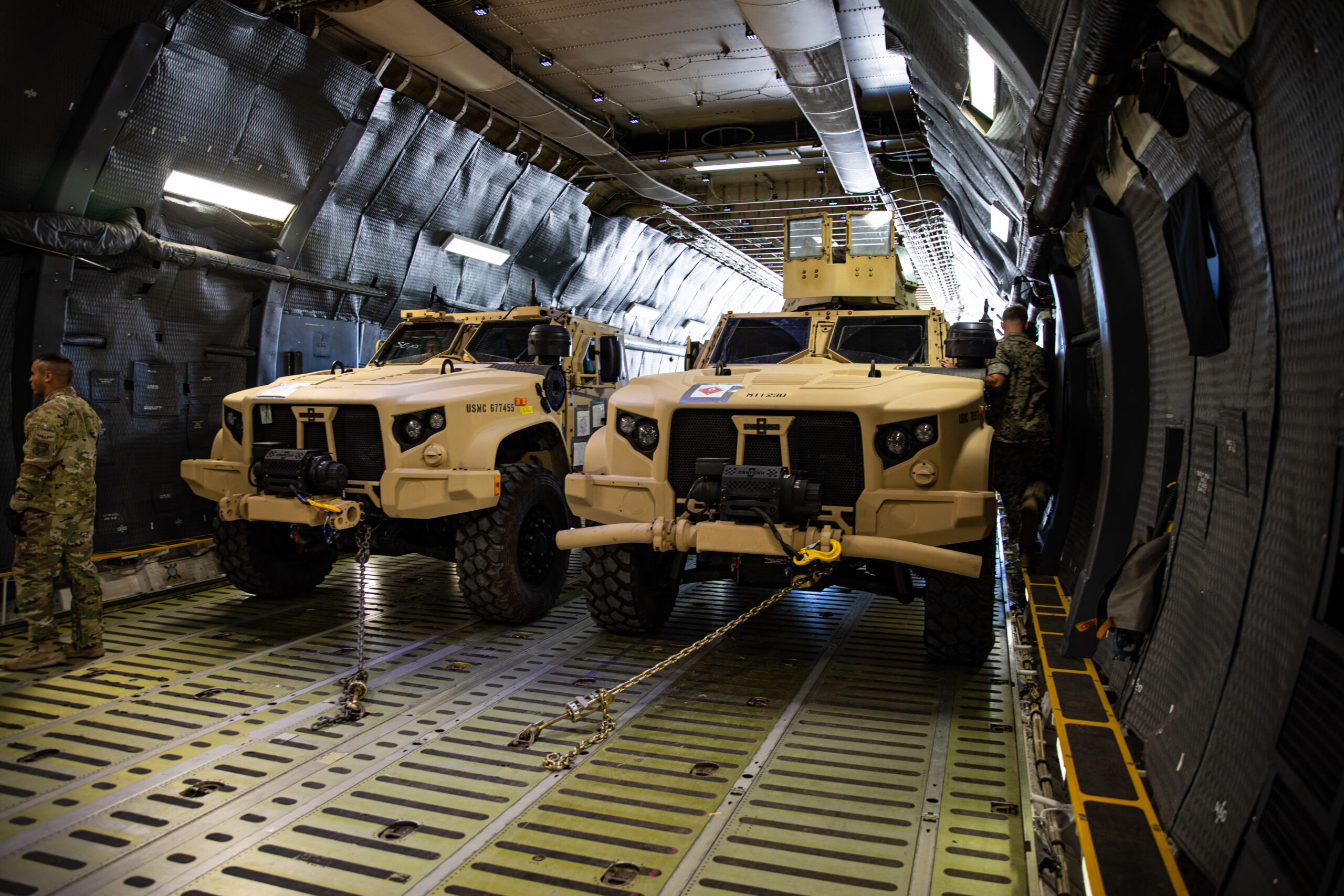
“Working with our partners in the interim Venezuelan government, the U.S. will be sending search and rescue teams, medical and humanitarian supplies and other resources,” Lewin wrote.
This cooperation with Venezuela’s interim government continues America’s policy of refusing legitimacy to Nicolás Maduro’s now-defunct regime, which was toppled earlier this year after a U.S. special operations mission captured him on drug-trafficking charges.
In Maduro’s absence, acting President Delcy Rodríguez faces the impossible challenge of leading a shattered nation amid political turbulence and catastrophic natural disaster.
The U.S. relief effort represents not only urgent humanitarian outreach but also an opportunity to rebuild a freer, more stable Venezuela in line with democratic values.
Pentagon planners report that the coordination now unfolding under SOUTHCOM’s direction could expand to include temporary staging hubs at U.S. installations in neighboring countries.
Air and sea transport assets, including C-17 Globemaster aircraft and Navy logistics vessels, may play pivotal roles if requests for direct assistance ramp up.
Regional allies have pledged support as well. Nations like Colombia and Brazil are expected to cooperate with American logistics planners.
The U.S. is likely to spearhead airlift corridors and manage security for incoming humanitarian convoys. Such coordination displays the kind of international leadership only possible when American resolve meets U.S. military capability.
This rapid response also serves as a stark contrast to what might have been under previous administrations that allowed crises to linger while debating procedure.
Under President Trump and the firm leadership of Secretary of War Pete Hegseth, the military is operating with clarity of mission and unapologetic purpose. No bureaucratic red tape, no “globalist waiting game” — just action.
Even as humanitarian assistance flows into Venezuela, U.S. strategists remain mindful of the geopolitical implications.
A natural disaster on this scale could either unite the region or invite foreign opportunists like China or Russia to exploit instability.
That’s why Trump’s early directive to move quickly has been seen as both a humanitarian and national security decision.
For the families in Venezuela sifting through rubble and ruin, American support may mean the difference between despair and survival.
And for the U.S. forces organizing behind the scenes, this mission is another reminder of why America maintains the world’s most capable military — not only to win wars, but to deliver mercy when others cannot.
Are you feeling overwhelmed or hopeless right now? Have you been withdrawing from people or activities you usually enjoy? Are you having thoughts about hurting yourself, or feeling like things will never improve?
You do not have to handle those feelings alone. Support is available, and talking to someone can make a difference. You can reach out to the 988 Suicide & Crisis Lifeline by calling or texting 988, or by chatting online at 988lifeline.org. Trained counselors are available 24 hours a day to listen and help.
If you believe someone is in immediate danger, call emergency services right away. Even a small step, like reaching out to a trusted friend, family member, or professional, can help create a path forward.
Join the Discussion
COMMENTS POLICY: We have no tolerance for messages of violence, racism, vulgarity, obscenity or other such discourteous behavior. Thank you for contributing to a respectful and useful online dialogue.