The Pentagon is bragging about a major win for military recruiting, announcing that all five active-duty services crushed their 2025 enlistment goals.
According to the War Department, this is the strongest recruiting performance seen in fifteen years, with every branch filling or exceeding its manpower targets. After years of struggle under weak leadership and cultural confusion, the numbers spell a long-awaited turnaround.
The Army led the way, signing contracts with 62,050 recruits—just over 101% of its objective.
The Navy brought in more than 44,000 new sailors, overshooting its goal by 8%.
The Air Force signed up over 30,000 new airmen, while the Space Force added 819 Guardians to its ranks.
The Marine Corps, as usual, delivered right on target with 26,600 recruits.
Combined, that’s 103% of the overall active-duty mission.
It’s a welcome change after years of missed goals that embarrassed Pentagon leadership and worried patriotic Americans.
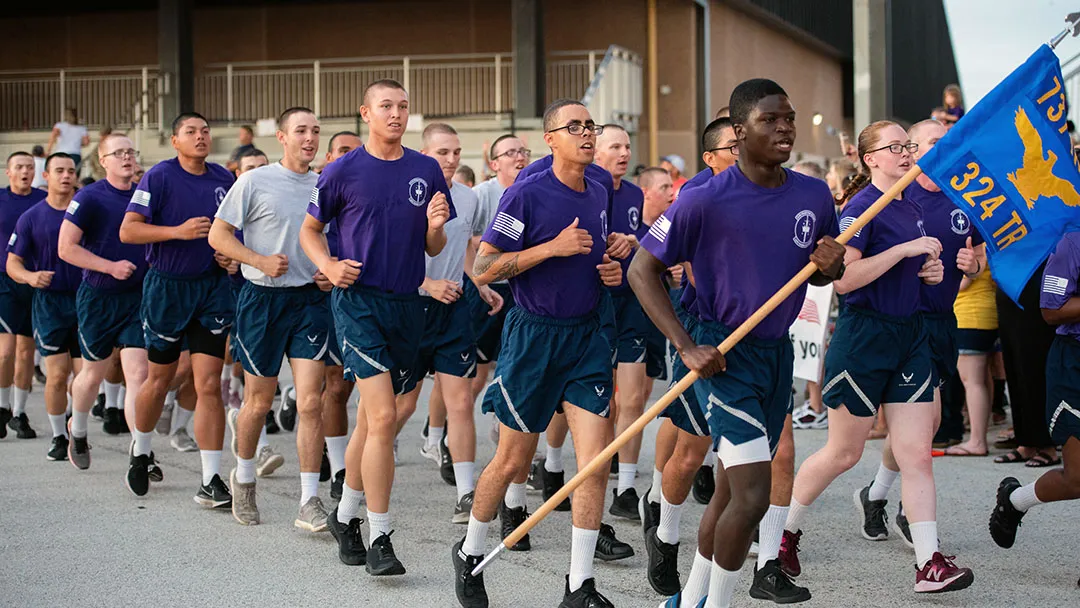
The turnaround suggests that service branches may finally be getting their recruiting messages right—likely something to do with backing off some of the woke nonsense that had been alienating traditional recruits.
But the real question remains: how quickly will these recruits actually become mission ready?
In other words, how long before these men and women finish training, earn their qualifications, and join fully operational units? The Department of War doesn’t seem eager to answer that.
Despite all the numbers and talking points, the Pentagon still can’t produce a simple, transparent metric showing how long it takes from signing day to operational deployment.
Each service trains differently, and timelines can stretch for months, even years, depending on the specialty. An infantry recruit might hit the field in half a year, while cyber, intelligence, or nuclear tech specialists can spend over a year in the pipeline before joining their units.
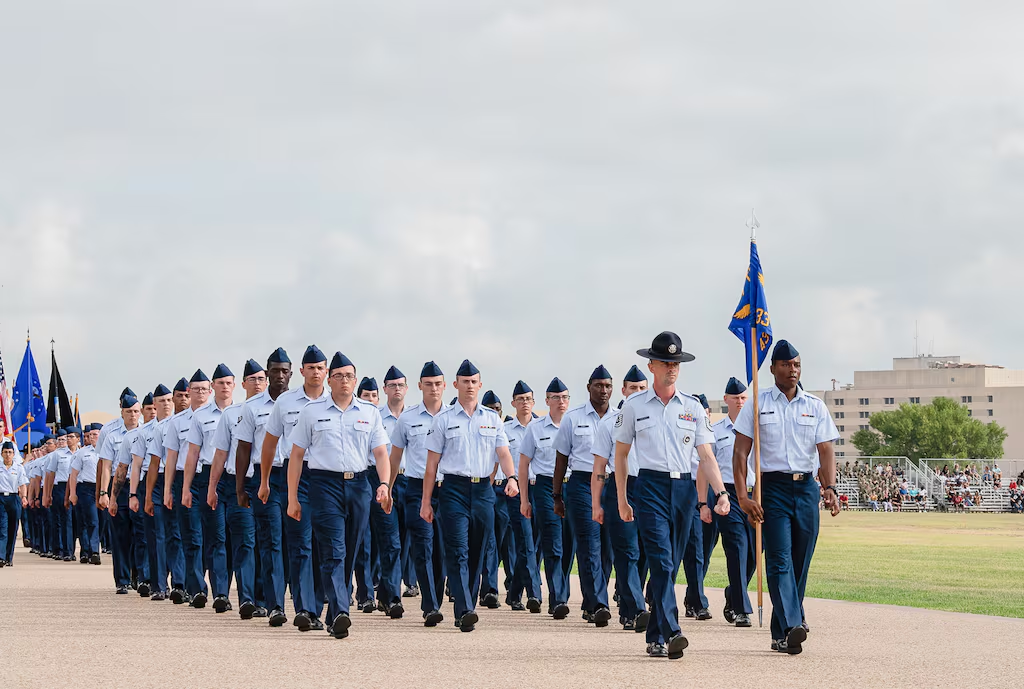
Special operations candidates might spend several years in training before they’re cleared for a real mission.
The Government Accountability Office has reviewed these readiness systems and confirmed that the War Department uses tools like the Defense Readiness Reporting System and the Chairman’s Readiness System to gauge preparedness.
But those systems focus largely on things like equipment and personnel numbers, not how long it takes to train fresh recruits into combat-ready troops. That gap—ignored for years—leaves commanders and Congress guessing how fast new recruits can actually boost the operational force.
According to Navy Capt. Candice Tresch, there’s really no strict timeline for turning a civilian into a proficient sailor. She emphasized that the process depends on job specialty, command needs, and how quickly an individual can demonstrate proficiency. “It’s not really time-based,” she explained.

“[It’s] can you do the mission?” That’s a fair philosophy—but one that provides little grounding for lawmakers tracking readiness or for families asking just how fast the military is replenishing its force.
From training bottlenecks to background check delays, the time to get troops fully ready varies wildly. Cyber and nuclear job training can last many months, while Marines, with their famously brutal boot camps, may continue on to multiple specialty schools before setting foot in an operational unit.
Even then, advanced qualifications, field drills, and command certifications can stretch timelines further.
Under federal law, the Secretary of War must maintain a readiness reporting system that objectively measures the force’s ability to carry out missions.
However, nowhere in that system is there a requirement to track how long individual recruits take to become battle-ready warfighters. That missing data may seem bureaucratic, but it makes a big difference when planning deployments or gauging whether the services can sustain prolonged operations.

The Marine Corps, Army, Navy, and Air Force were all contacted for comment on these readiness benchmarks, but as of publication, most haven’t provided a clear answer.
The Navy alone states that readiness should be measured by proven performance, not by ticking off a clock. Admirable in principle, but in practice, it keeps the process opaque.
Meanwhile, the GAO continues to call out systemic flaws—schoolhouse limitations, instructor shortages, and maintenance backlogs.
These problems delay the very readiness the Pentagon loves to boast about. Even with higher enlistments, if the training system can’t absorb recruits efficiently, the readiness boom could stall before it translates into boots on the ground.

After years of decline, America’s military is clearly regaining strength in numbers. That’s good news for a nation that’s been hamstrung by recruiting shortfalls and a demoralizing drift into politically correct distractions.
But until the War Department can prove it’s speeding up training pipelines and turning promising recruits into capable warriors, the recruiting surge is only half the story. When it comes to restoring full-spectrum readiness, results in the field will matter more than numbers in a spreadsheet.
Join the Discussion
COMMENTS POLICY: We have no tolerance for messages of violence, racism, vulgarity, obscenity or other such discourteous behavior. Thank you for contributing to a respectful and useful online dialogue.