After more than fifty years of roaring across beaches and carrying Marines into battle, the U.S. Marine Corps’ Assault Amphibious Vehicle, or AAV, is turning the page to a new chapter — one that keeps it on the frontlines of freedom.
Instead of being mothballed after decades of faithful service, these battle-hardened beasts are being transferred to allied nations along the increasingly volatile Black Sea, where Moscow’s ambitions keep NATO members on high alert.
The AAV-P7, affectionately known as “Trax” by Marines who lived and breathed inside its steel hull, was officially retired from active U.S. service after being replaced by the newer Amphibious Combat Vehicle.
But as the War Department confirmed this week, the AAV’s next mission is to strengthen partners defending the eastern flank of Europe — and to remind adversaries that American ingenuity never fades.
MORE NEWS: Pentagon Confirms First Military Execution in Over 60 Years Will Be Publicly Livestreamed
The vehicles are being handed over with training support from seasoned Marine instructors who know every bolt, seal, and throttle position by heart. These aren’t museum pieces; they’re still capable of delivering raw combat mobility on land and sea.
Built to withstand the chaos of amphibious warfare, Trax has landed Marines in conflict zones since 1972.
It fought through the dust of Lebanon and the deserts of Iraq, evolving over generations with better armor, weapons systems, and communications gear. Each upgrade kept it relevant in a changing world.
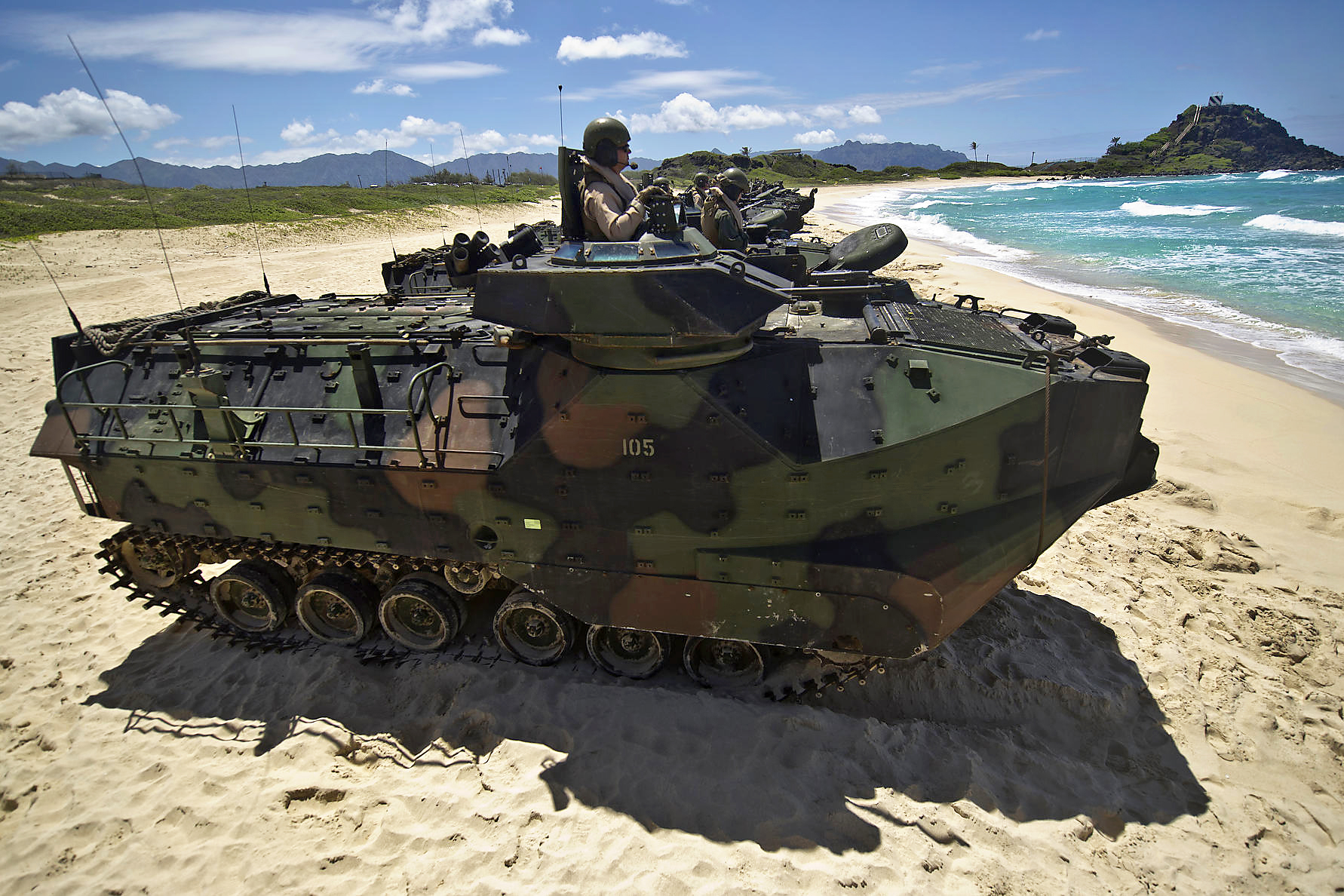
During a recent exercise in Romania, Marines rolled out the “old girl” for one last display of power.
The AAV demonstrated its versatility — acting as a mechanized assault platform, a logistics hauler, and even a direct-fire asset — while integrated with modern drone systems that now dominate contemporary battlefields.
For those who have spent decades maintaining and operating the vehicle, the moment was bittersweet.
The Marine Corps’ 4th Assault Amphibian Battalion logistics chief, Master Sgt. Daniel Porter, summed it up perfectly. “This has been my home since I started in the Marine Corps,” he said, giving his final goodbye after 22 years working with Trax. His last words, simple and powerful: “Last ride.”
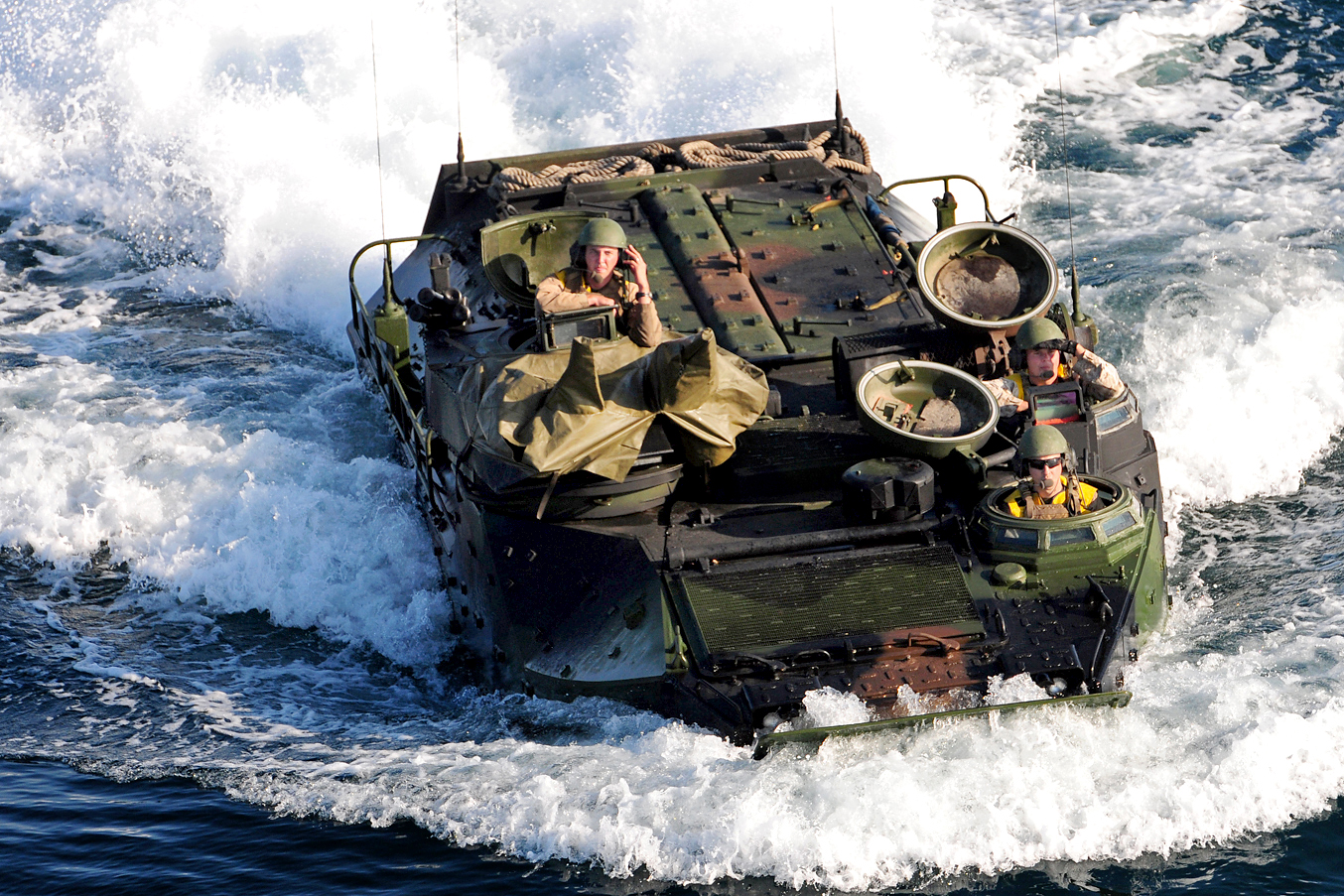
PACIFIC OCEAN (Nov. 1, 2011) An amphibious assault vehicle assigned to the 11th Marine Expeditionary Unit (11th MEU) approaches the amphibious assault ship USS Makin Island (LHD 8). Makin Island is underway for routine operations off the coast of Southern California in preparation for the ship's first operational deployment later this year. (U.S. Navy photo by Mass Communication Specialist 1st Class Douglas Bedford/Released)
Yet while Marines may feel nostalgic, the operational value of these machines is far from over.
In the unpredictable geopolitical chessboard around the Black Sea — where Russia’s provocations rattle smaller nations — sending these AAVs to allies is both symbolic and strategic. It’s a reminder that when America’s old warfighters leave the Corps, they can still serve the cause of liberty abroad.
Washington’s move signals a broader determination to bolster allies in a region that remains central to European and global security.
Ukraine’s experience has taught Western militaries the importance of mobility, logistics protection, and rapid amphibious response — all capabilities that the AAV platform helps deliver.
Marine expeditionary warfare has always been about adaptability, and this transition underlines that principle.
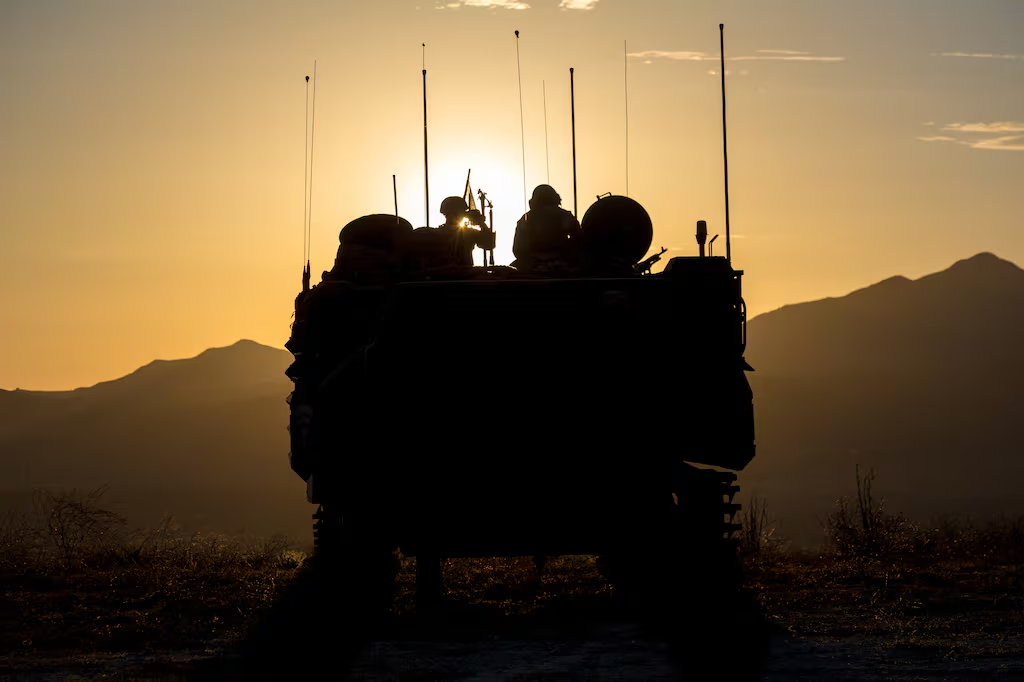
While the new Amphibious Combat Vehicle takes over primary U.S. Marine duties, the AAV will keep delivering deterrence where it’s needed most. Instead of rusting away in storage, they’ll now help allied troops patrol coastlines, strengthen defenses, and train on combined operations with NATO support.
This kind of military recycling highlights how American design endures even as warfare evolves. Sure, drones and cyberwarfare dominate headlines, but when it comes to moving troops, supplies, and firepower from sea to shore, nothing replaces the grit of armored steel and diesel power.
The move also shows the Trump-era vision for smart power projection continues to take hold — practical, cost-effective, and supportive of allies ready to fight beside us, not hide behind us.
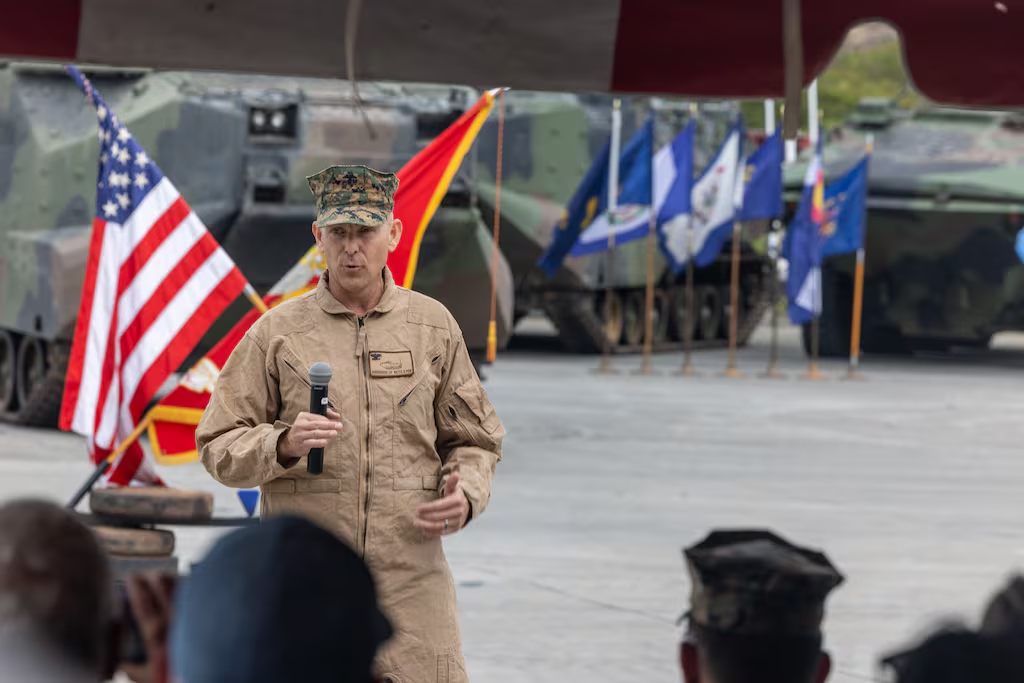
President Trump and War Secretary Pete Hegseth have both stressed strengthening alliances not by endless subsidies, but through strategic handovers that build self-reliance. This transfer fits that approach perfectly.
As the Marines conclude their chapter with Trax, the Black Sea nations inheriting them gain more than just vehicles — they gain a proven tool of freedom, shipped straight from America’s steel heart. And that, in times like these, sends a message louder than any diplomatic memo or press release ever could.
Join the Discussion
COMMENTS POLICY: We have no tolerance for messages of violence, racism, vulgarity, obscenity or other such discourteous behavior. Thank you for contributing to a respectful and useful online dialogue.