An American hero has once again reminded the world why the U.S. Air Force leads the skies. Capt. Nathanial “Icarus” Welch, an F-16 Fighting Falcon pilot, was recently awarded the revered Distinguished Flying Cross with Valor for extraordinary courage during a high-stakes mission over Saudi Arabia last year.
His actions were nothing short of textbook American grit — charging headfirst into danger to shield his fellow airmen and ensure mission success.
Welch, serving as chief of plans and programs in Alaska’s 18th Fighter Interceptor Squadron, deployed to Prince Sultan Air Base in April 2025 with the 480th Expeditionary Fighter Squadron.
His mission: help execute Operation Rough Rider, a campaign targeting Iranian-backed Houthi rebels who had begun turning Saudi airspace into missile central.
These weren’t training flights or routine patrols. Welch and his team were flying into contested territory where the enemy was more than eager to pull the trigger.
During an April 29 mission that rapidly turned chaotic, Welch found himself threading his F-16 through intense missile fire.
As explosions erupted perilously close to his aircraft, Welch didn’t flinch or flee — he stayed on-station, deliberately putting himself between enemy attacks and the allied aircraft he was escorting. His persistence and tactical awareness saved lives, prevented potential aircraft losses, and exemplified what every American fighter pilot should strive to be.
“Capt. Welch exemplifies everything the nation asks for in a fighter pilot escorting other combatants into a heavily defended enemy position,” said Air Force Col. Matthew Johnston, 354th Fighter Wing commander.
“He selflessly placed his aircraft between enemy missile systems and the aircraft he was protecting to ensure mission success and the survival of the force package.”
Coming from combat leadership, that’s not just praise — that’s acknowledgment of an aviator who flew like a warrior when it mattered most.
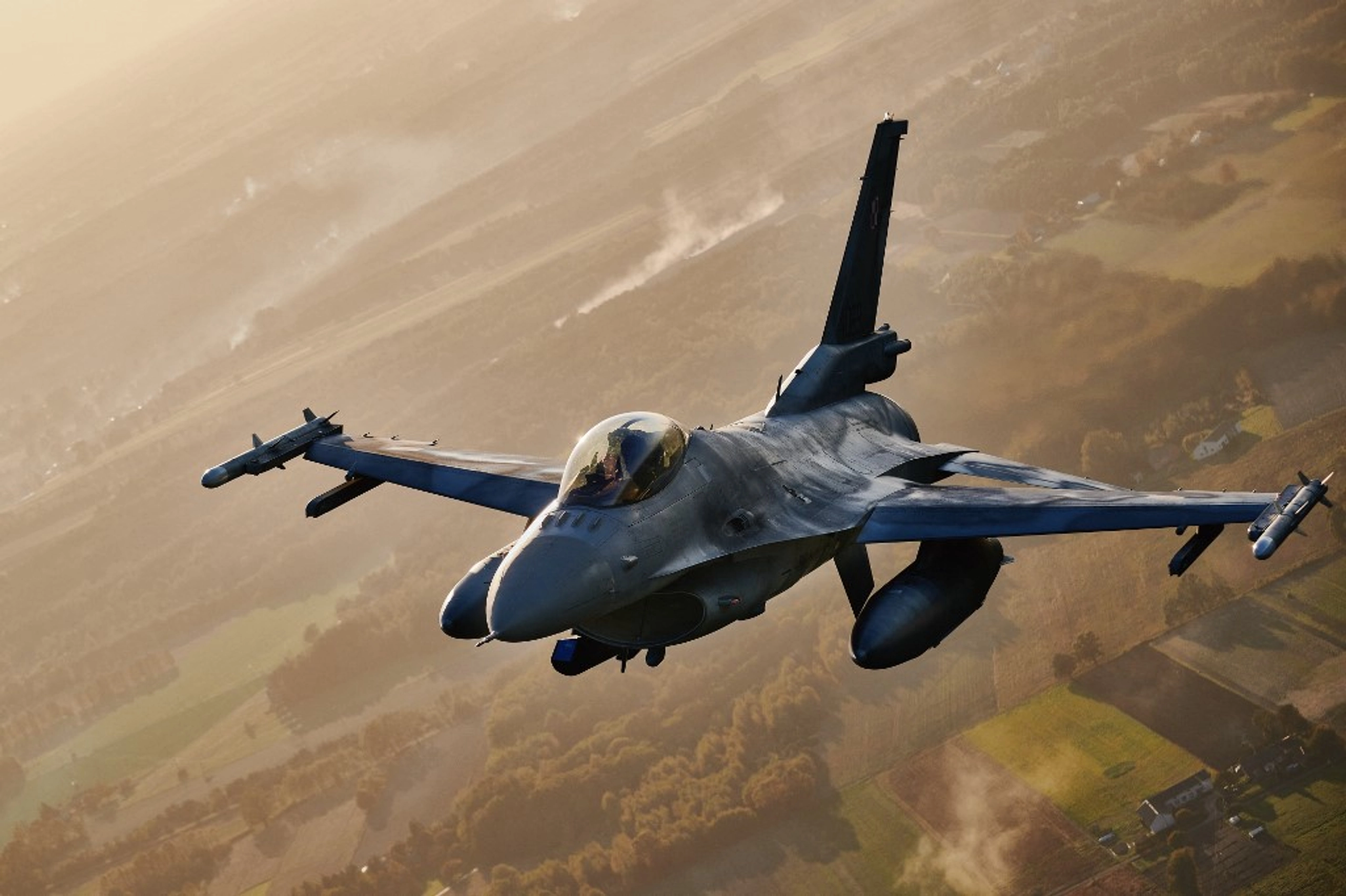
Although the War Department didn’t release granular details about the engagement, Welch’s “Wild Weasel” unit is well known for one thing — hunting down enemy missile systems. The unit’s unofficial motto, “First In, Last Out,” could very well have defined Welch’s story that day.
Operation Rough Rider was no easy deployment; the Houthis, funded and armed by Tehran, have made a notorious name for themselves with constant missile and drone attacks targeting coalition allies. Welch’s performance added another victory chalk mark for American airpower in an increasingly volatile Middle East battleground.
Lt. Gen. Robert Davis, commander of the 11th Air Force, presented the award during a ceremony at Eielson Air Force Base, Alaska. Speaking candidly, Davis thanked Welch for his courage and leadership under fire. “Icarus, thanks for doing your job with excellence and valor in the face of danger,” Davis said. “I know you would go back and do it again; I know all your wingmen would also have done the same.”
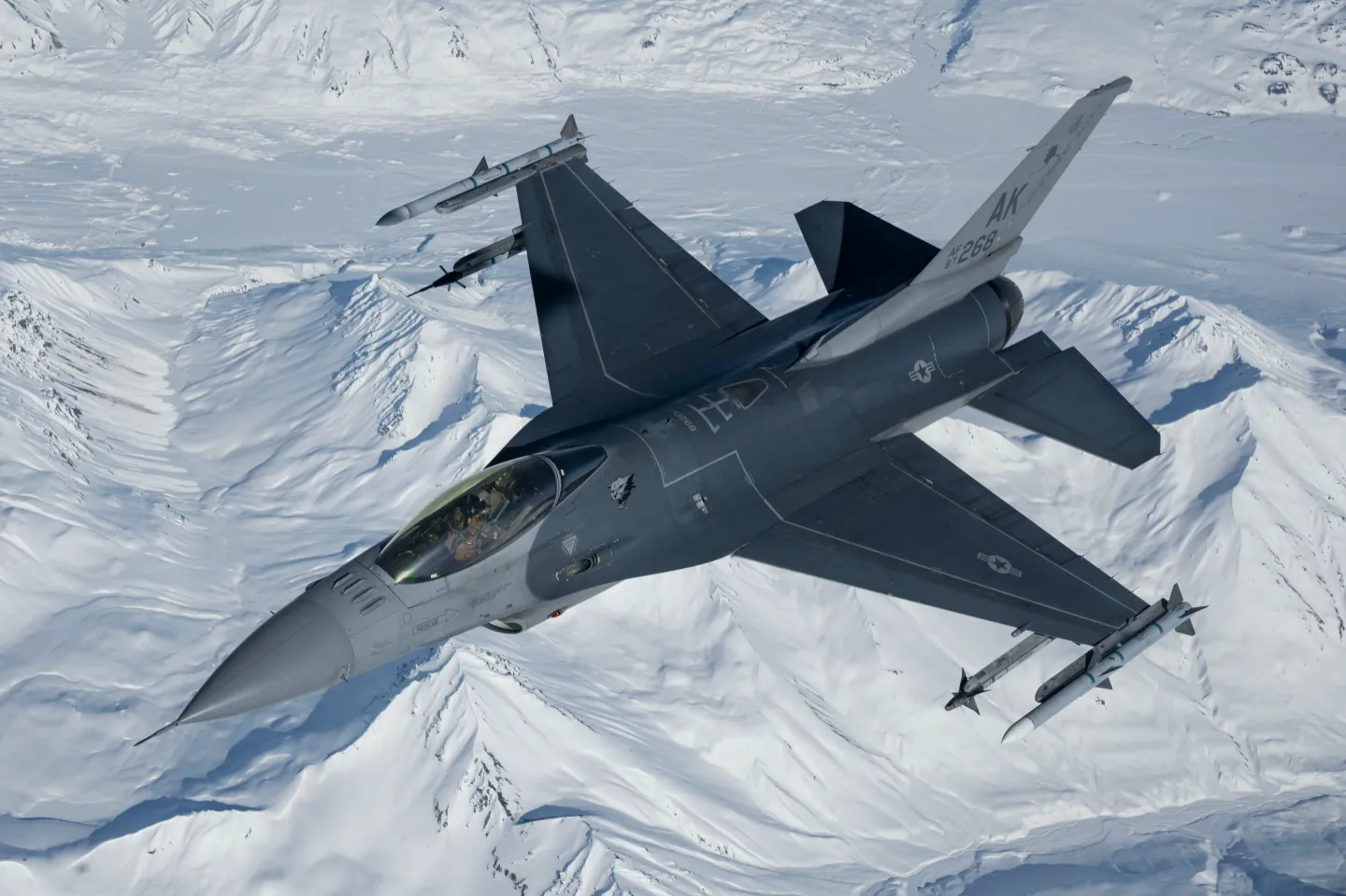
In an Air Force built on the premise of integrity, service, and excellence, this recognition carried weight — not just for Welch, but for every pilot who’s stared down a radar lock and refused to back down.
The Distinguished Flying Cross remains one of America’s highest recognitions of wartime aviation heroism. Adding the “V” device distinguishes acts of valor performed while directly engaging an armed enemy.
Simply put, it’s not about being in the air — it’s about what you do when missiles are pointed right at you. For Welch, that meant flying toward danger when others might have turned away. That’s courage on a level that no bureaucratic award system can truly capture.
What makes this especially significant is how Welch embodies the posturing America needs right now. Under President Trump’s strong national security vision and War Secretary Pete Hegseth’s battle-ready leadership, the military’s combat edge and warrior ethos are once again being sharpened.
Instead of distractions and social experiments, the spotlight is back where it belongs — on heroes like Welch who live out the creed of “service before self.”
It’s easy to gloss over stories like this in an age dominated by political noise, but what Welch accomplished matters deeply.
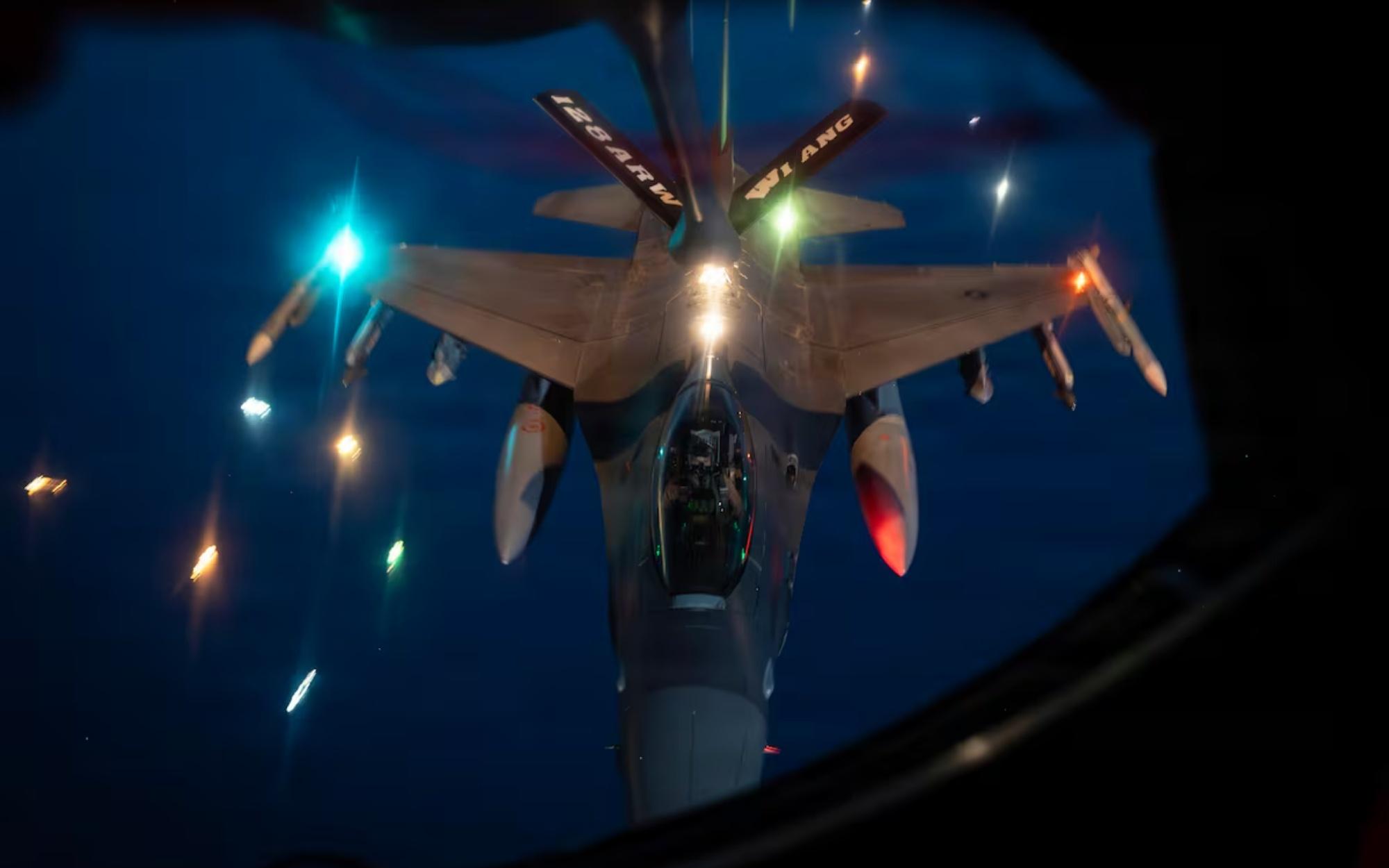
Each mission flown over hostile airspace tells the story of America’s deterrent power, and moments like these remind adversaries that when our pilots take to the skies, hesitation isn't in the vocabulary.
From Cold War intercepts to the War on Terror to operations countering Iranian proxy forces, the Air Force continues to serve as the shield of freedom above the battlefield.
Welch’s award also serves as a morale booster across the ranks. Every fighter pilot knows how rare it is to receive a Distinguished Flying Cross, let alone one marked by valor.
It’s a tangible reminder that leadership notices real bravery — the kind where missiles streak past the canopy and decisions have to be made in seconds. It’s confirmation that the American spirit of boldness and selflessness is alive and well in the cockpit.
In an era when far too many downplay the cost of global security, Welch’s recognition underscores exactly who carries that burden — the men and women who take to the skies not for fame or politics, but for mission and nation.
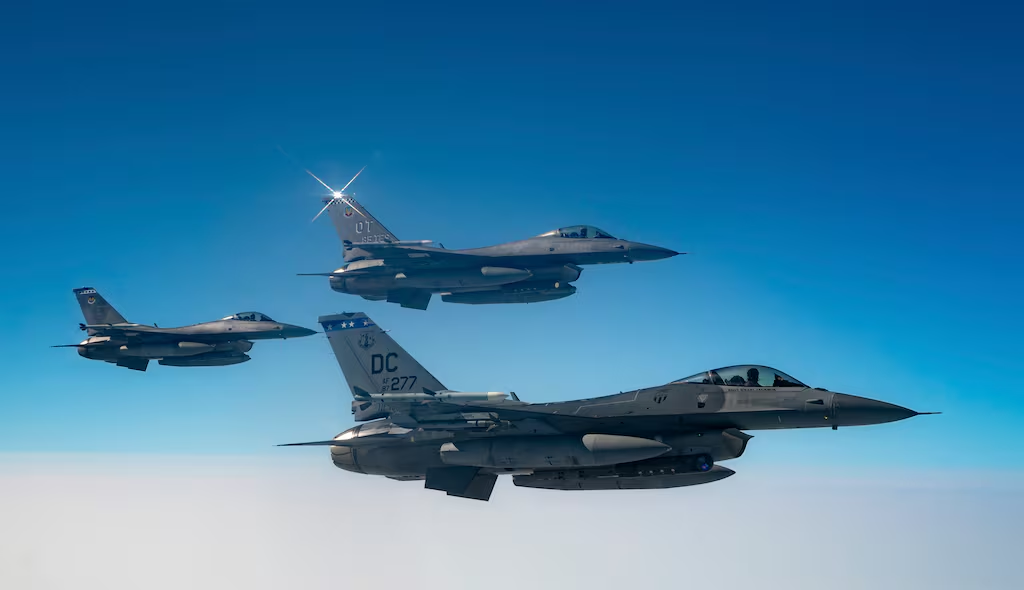
That’s what America looks like at 30,000 feet: capable, determined, and unyielding.
For Capt. Nathanial “Icarus” Welch, one thing is certain — his story is not just an award citation.
It’s a reminder to every American that while politicians argue and enemies scheme, our warriors are still out there, doing what they’ve always done best: fighting for freedom and coming home victorious.
Join the Discussion
COMMENTS POLICY: We have no tolerance for messages of violence, racism, vulgarity, obscenity or other such discourteous behavior. Thank you for contributing to a respectful and useful online dialogue.