Publicizing the identities of American special operations personnel could become a federal crime under language tucked into the House version of the fiscal year 2027 National Defense Authorization Act.
The proposal would extend legal protections currently reserved for covert intelligence officers and sources to certain military members and civilians.
The measure is intended to protect operators carrying out some of the nation’s most dangerous and sensitive missions.
However, its broad wording is raising questions about press freedom, public accountability, and how much authority the Pentagon should have to decide which identities are protected.
Here's What They're Not Telling You About Your Retirement
Gabe Rottman, a lawyer and vice president of policy for the Reporters Committee for Freedom of the Press, said the proposal expands the Intelligence Identities Protection Act.
That law prohibits the “intentional” disclosure of information identifying covert intelligence agents or sources.
Under the House proposal, those protections would expand to cover “protected defense individuals.” That category would include troops assigned to sensitive units, civilians who train special operations forces, certain communications personnel, and other individuals “designated” by the War Secretary.
That final category is where the legislative net starts looking mighty wide. The proposal would appear to let the War Secretary determine which military and civilian personnel receive secrecy protections backed by serious criminal penalties.
This Could Be the Most Important Video Gun Owners Watch All Year
“This feels really quite broad, and it would clearly on its face cover disclosures that are manifestly in the public interest,” Rottman said.
“We’re in a period where there’s heightened public attention to military activities and the use of special forces…. This bill, were it passed, could be used to suppress reporting that is directly relevant to those issues that are part of the public debate.”
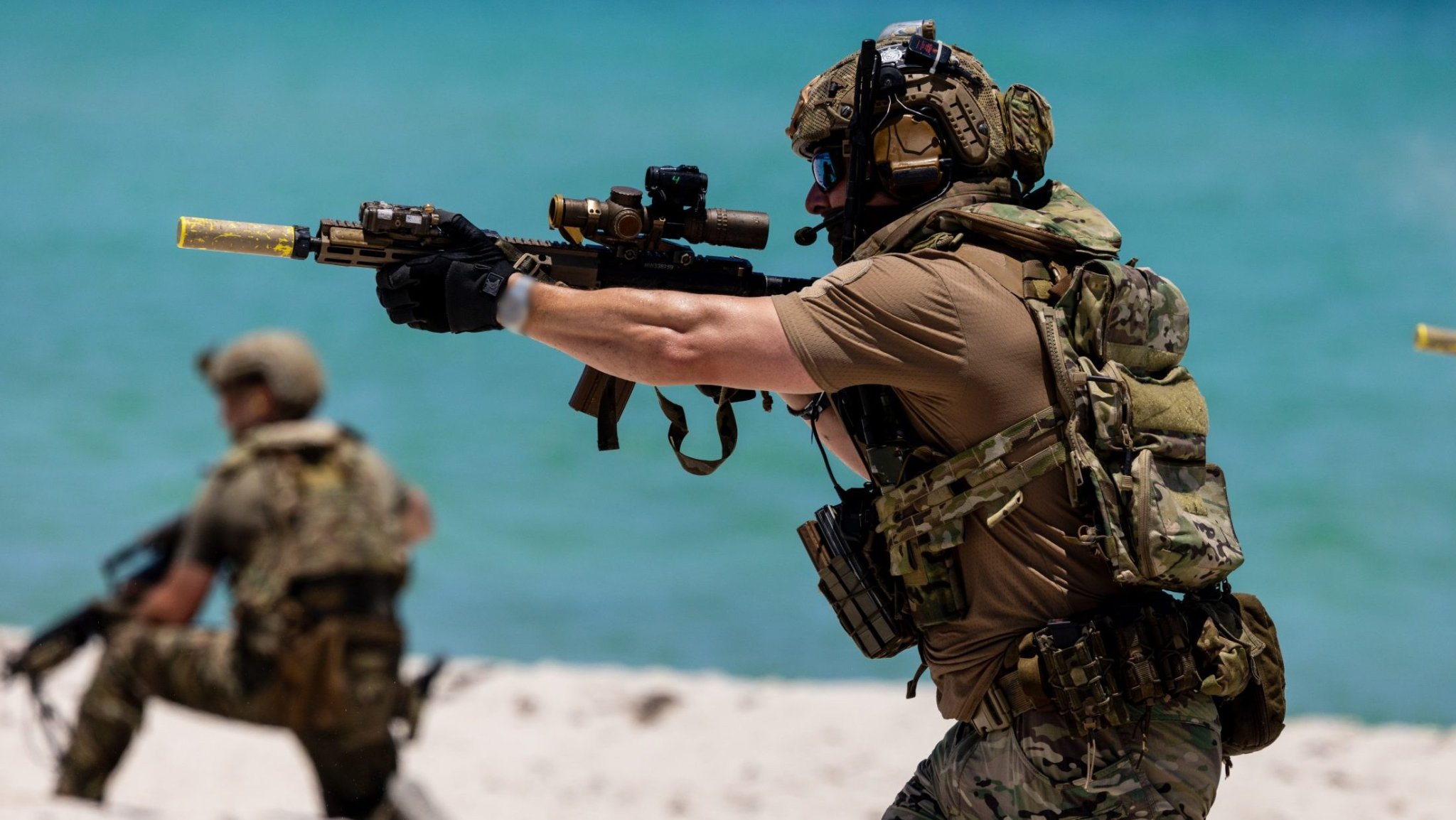
The provision appears in the House version of the annual military policy bill, according to a policy aide for Republican Rep. Richard Hudson of North Carolina.
MORE NEWS: Trump Says U.S. ‘Hopefully’ Nears End of Iran War as Saudi Arabia and Houthis Trade Strikes
Hudson previously introduced legislation criminalizing the online exposure of special operators and their families, while a similar proposal was introduced in the Senate.
“Our special operators take on some of the most dangerous missions in the world to keep us safe. They and their families should never have to worry someone will expose their identities and put a target on their backs,” Hudson said in the release.
That concern is hardly theoretical, especially in an era when hostile governments, terrorist networks, and internet activists can quickly spread personal information.
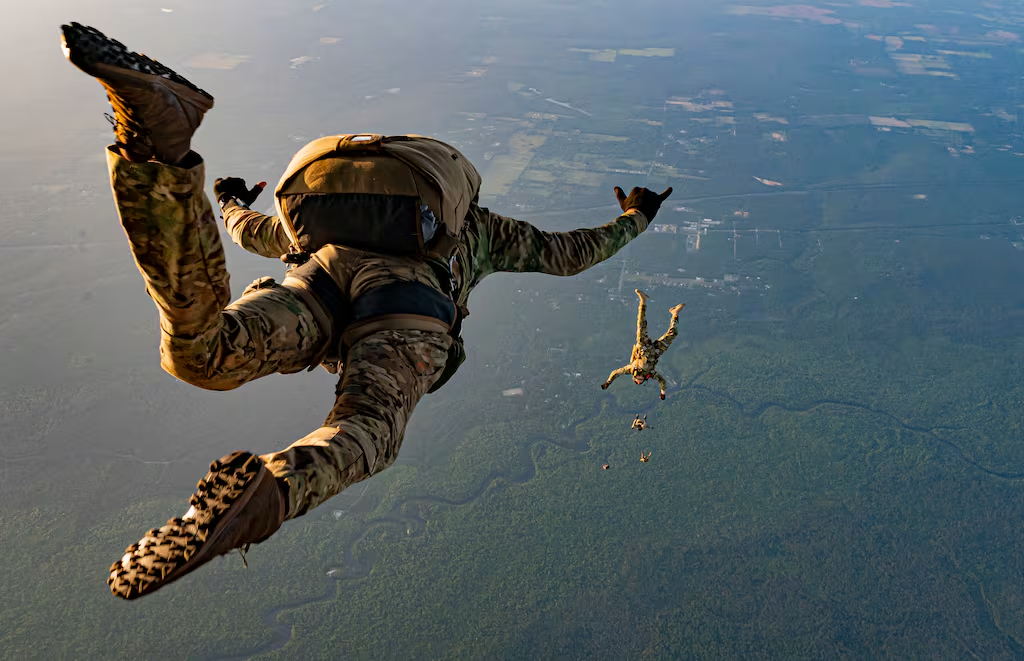
Special operators and their families should not become targets simply because somebody wants social media attention or a political scalp.
Still, the proposed language would amend a powerful national security statute rather than merely establish penalties for malicious doxxing.
The Intelligence Identities Protection Act has previously been used to prosecute intelligence personnel who revealed the identities of other agents to journalists, and violations can carry prison sentences of 10 to 15 years.
The law would allow the Pentagon to determine what qualifies as a “sensitive” unit or mission. Rottman argued that this means the “Secretary of War can unilaterally determine what is the criminal activity.”
According to Rottman, the proposal could apply both to traditional news reports and social media posts that identify covered personnel.
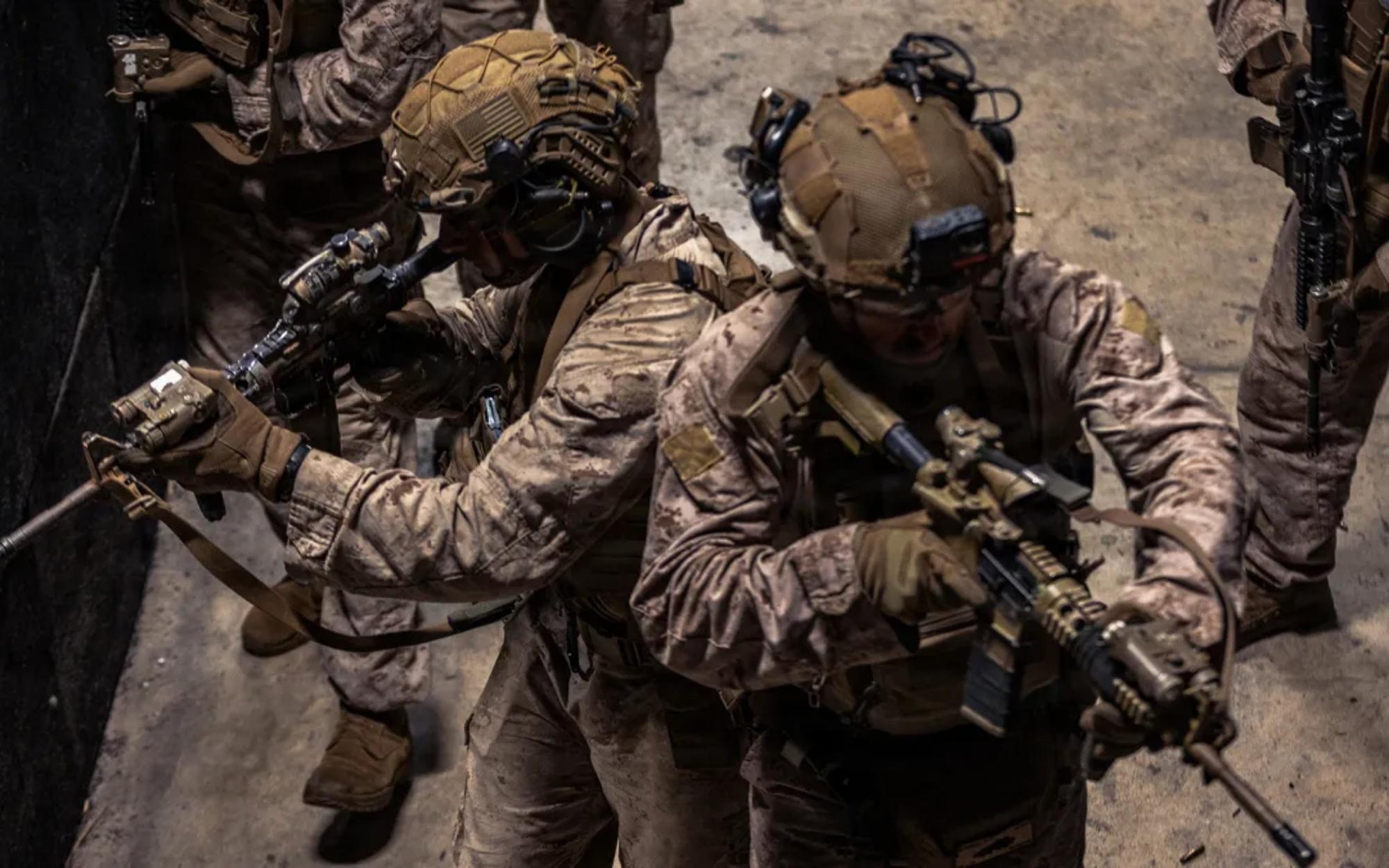
It could also potentially apply when members of special operations units speak with reporters about misconduct inside their own ranks.
“If an actual special operator sees one of his unit mates commit a war crime and wants to talk to a reporter about it, and this is a sensitive unit, then this law could kick in and make that a potential crime,” he said.
The proposal was reportedly inspired by a January social media post identifying the Delta Force commander after the unit led the military raid that captured Venezuelan President Nicolás Maduro. A policy aide from Hudson’s office pointed to that episode as the catalyst for the legislation.
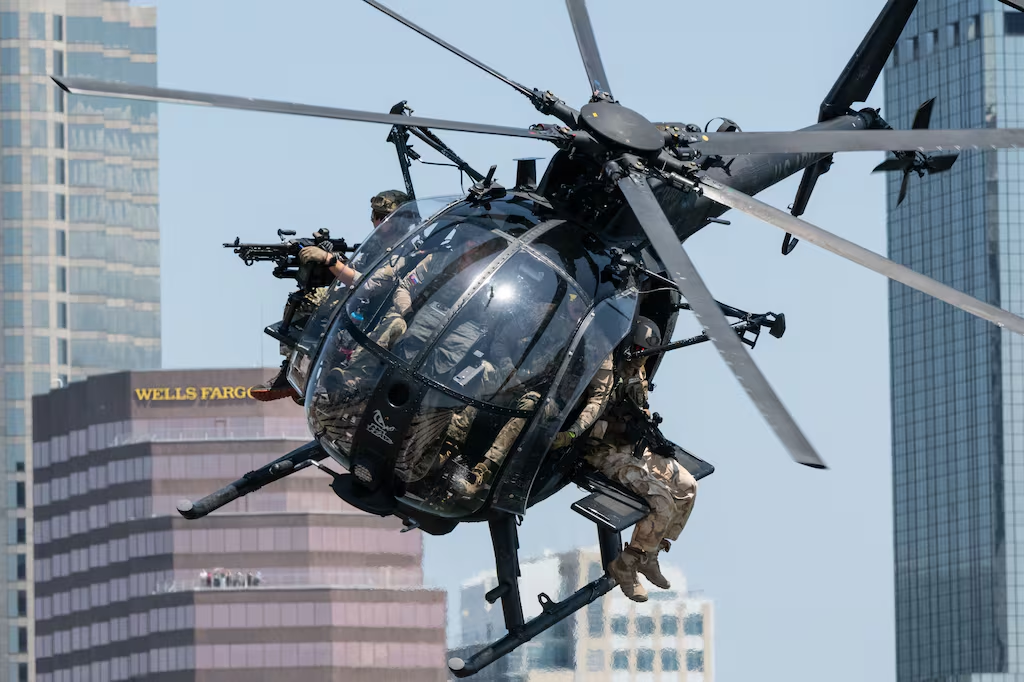
The viral post on X came from journalist Seth Harp, who frequently reports on the special operations community, and it was later removed.
The House Oversight Committee subsequently voted to subpoena Harp, with the Republican leading the effort alleging that the disclosure endangered national security.
Press freedom groups pushed back, arguing that the congressional response threatened legitimate reporting because the information was not classified.
Harp also said during an interview that his post relied on a publicly available biography of the commander.
The House and Senate must now negotiate a final version of the authorization bill before either chamber votes on passage.
Whether the provision survives those negotiations will determine if Congress delivers a focused shield for operators or hands the Pentagon a sweeping new secrecy weapon.
Join the Discussion
COMMENTS POLICY: We have no tolerance for messages of violence, racism, vulgarity, obscenity or other such discourteous behavior. Thank you for contributing to a respectful and useful online dialogue.