A sailor assigned to the aircraft carrier USS Abraham Lincoln could face nonjudicial punishment after allegedly jumping overboard and being rescued, according to a source familiar with the matter.
The sailor’s name has not been publicly released.
Nonjudicial punishment falls under Article 15 of the Uniform Code of Military Justice and allows commanders to address misconduct without pursuing a court martial.
Civilian military attorney Phillip Stackhouse said the proceeding does not amount to a criminal conviction.
Here's What They're Not Telling You About Your Retirement
MS NOW first reported that the sailor could be ordered to a captain’s mast, a disciplinary hearing conducted by a commanding officer.
The Navy says such proceedings are generally reserved for “minor misconduct.”
The possible discipline comes amid reports of morale problems aboard the Lincoln following an unusually long deployment and difficult shipboard conditions.
Families of crew members have told MS NOW that the extended time at sea has taken a serious toll.
This Could Be the Most Important Video Gun Owners Watch All Year
The mother of a Lincoln sailor previously told Task & Purpose that her son described two troubling incidents aboard the carrier.
According to her account, one sailor tried to jump overboard but was stopped, while another entered the water and was later rescued.
Navy officials previously said they had “not identified” an increase in suicidal ideation or attempts aboard the Lincoln.
Still, service leaders later confirmed that additional mental health support was being sent to the carrier.
A Navy official said Thursday that the sailor involved in the overboard incident was medically evacuated, evaluated by medical professionals, and provided access to “appropriate care and support.”
The official stressed that medical treatment and possible disciplinary proceedings are handled separately.
“Medical care and administrative or disciplinary processes are separate, and one does not preclude the other,” the Navy official said in a statement.
“Most importantly though, command decisions associated with the adjudication of administrative or disciplinary matters are always guided with an eye towards accomplishing the mission.”
The official continued by emphasizing a commander’s responsibility when conduct affects operations.
“When circumstances arise that have mission impacts, it is incumbent upon all commanders to take decisive action.”
The Navy has not disclosed what specific allegation or disciplinary measure the sailor may face.
Officials also declined to discuss the evidence behind the potential captain’s mast or explain how the incident may have affected operations aboard the carrier.
“Because this involves an individual sailor’s protected medical information and an ongoing personnel matter, we cannot discuss the specific evidence, medical care or ongoing proceedings,” the official said. That leaves the public with few details beyond the sailor’s recovery and subsequent medical evacuation.
Jeremiah Sullivan, a civilian attorney and former Navy staff judge advocate, said the sailor’s commanding officer will probably determine whether nonjudicial punishment moves forward.
Because the Lincoln remains underway, the sailor would not have the usual ability to refuse the captain’s mast.
“He can confer with counsel beforehand, but there’s no counsel at NJP, and there’s no right to refuse on a ship,” Sullivan said. Any resulting punishment would remain separate from a court martial and would depend on the commander’s findings.
War Department officials have released little information about what happened aboard the Lincoln.
Central Command acknowledged the incident earlier this month in a social media post, writing that “one sailor who fell overboard Aug. 3 was quickly and safely recovered,” without explaining whether the fall was accidental.
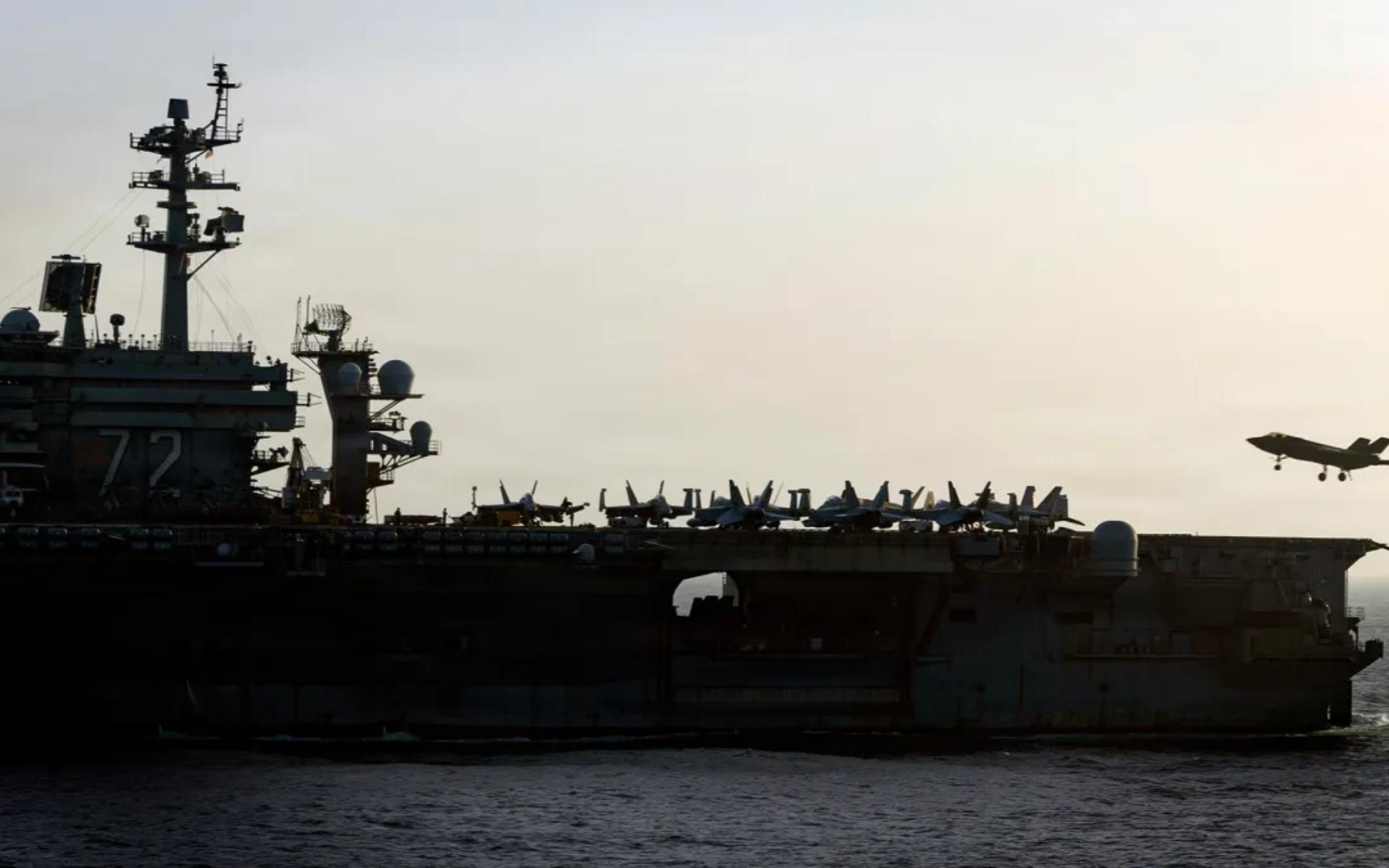
The Lincoln departed San Diego in November and reached the Middle East in January.
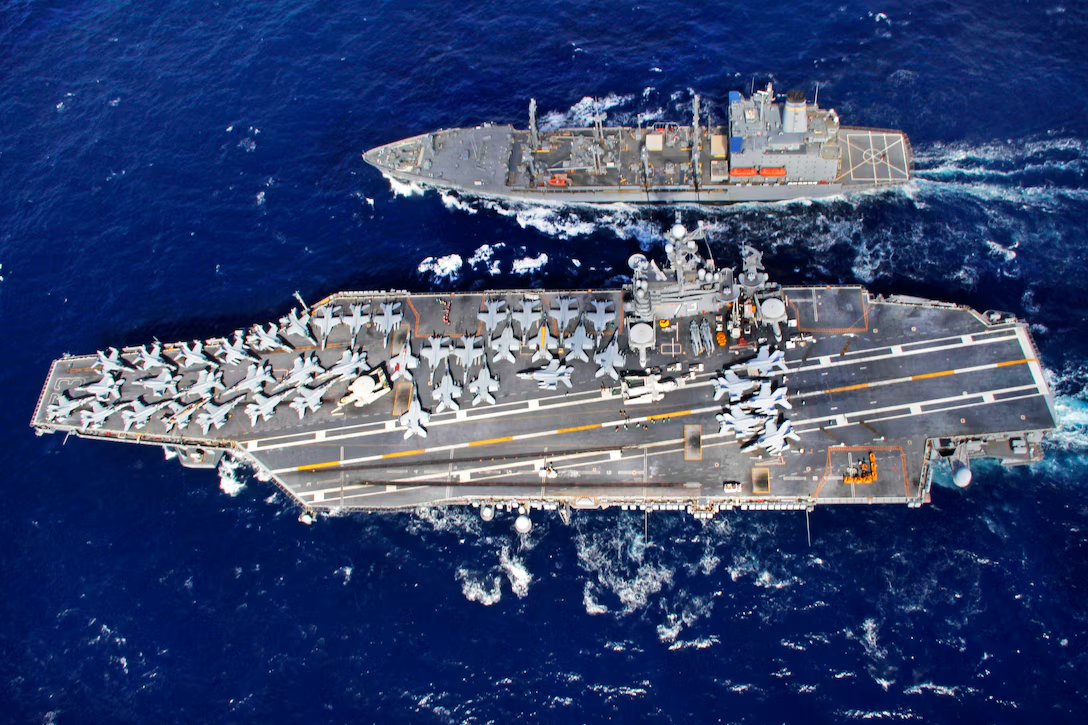
The carrier spent months supporting military operations against Iran and the blockade of Iranian ports before leaving the region last week.
The ship is reportedly scheduled to visit Thailand while returning home, marking its first port call in more than 250 days.
That stretch illustrates the demands placed on the carrier’s sailors, but commanders must also protect the ship, its crew, and the mission when an incident creates operational consequences.
Anyone thinking about suicide, worried about a friend or loved one, or seeking emotional support can contact the Lifeline network at any time. Call or text 988 in the United States to reach a trained counselor.
Are you feeling overwhelmed or hopeless right now? Have you been withdrawing from people or activities you usually enjoy? Are you having thoughts about hurting yourself, or feeling like things will never improve?
You do not have to handle those feelings alone. Support is available, and talking to someone can make a difference. You can reach out to the 988 Suicide & Crisis Lifeline by calling or texting 988, or by chatting online at 988lifeline.org. Trained counselors are available 24 hours a day to listen and help.
If you believe someone is in immediate danger, call emergency services right away. Even a small step, like reaching out to a trusted friend, family member, or professional, can help create a path forward.
Join the Discussion
COMMENTS POLICY: We have no tolerance for messages of violence, racism, vulgarity, obscenity or other such discourteous behavior. Thank you for contributing to a respectful and useful online dialogue.