The Navy may need as much as $8 billion beyond its current appropriation to cover the mounting costs of combat operations, mine clearing, sea lane security and the continuing blockade tied to America’s conflict with Iran.
Chief of Naval Operations Adm. Daryl Caudle told reporters Wednesday that the service requires between $6 billion and $8 billion above its existing budget “to be whole and solvent for [Fiscal Year] 26.”
Caudle delivered that blunt assessment before presenting his State of the Navy address in Norfolk, Virginia.
The funding pressure reflects the enormous operational demands imposed on sailors, ships, weapons inventories and support accounts during Epic Fury.
Here's What They're Not Telling You About Your Retirement
More than 27,000 sailors and over two dozen ships have supported combat operations in the conflict, according to Caudle.
“Think about the scale of what your sailors accomplished,” he said.
“We brought together naval forces from waterfronts on both coasts,” Caudle continued. That nationwide mobilization demonstrates the Navy’s reach, but global sea power does not run on press releases and congressional promises.
Personnel expenses are also climbing because sailors are reenlisting in record numbers while serving in the combat theater.
This Could Be the Most Important Video Gun Owners Watch All Year
Those reenlistments trigger bonuses that were not anticipated in the original budget, while the Navy must also pay for military moves and related personnel requirements.
“What does that come out of legally? There’s only one place really that can come out of for me, and that’s my [facilities] readiness sustainment modernization account,” Caudle said.
The result is that combat related personnel expenses can consume money intended for vital facilities and quality of life projects.

“That goes right to the heart of your CNO, because that’s the foundry account, and so that thwarts some of the work I’m trying to do with unaccompanied barracks and other things,” Caudle said.
In other words, every unexpected expense creates another difficult choice somewhere else in the fleet.
One of Caudle’s leading priorities at home is the “No Sailor Lives Afloat” initiative, which seeks to move unaccompanied sailors from ships into housing ashore. The Navy has already relocated more than 6,000 sailors and is investing over $375 million in 95 construction projects.
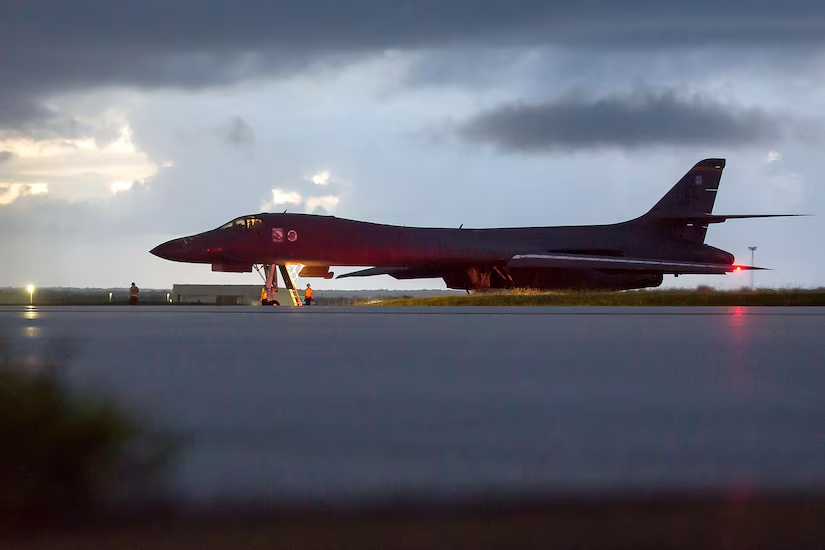
Those projects include barracks, housing, dining facilities and gyms. Such investments directly affect readiness because exhausted sailors living in poor conditions are hardly the foundation of an effective fighting force.
A report published Thursday by The Guardian alleged that combat expenses forced the Navy to shift money from payroll accounts, which would then require replenishment from funds reserved for future spending.
The Navy denied those accounts, but the report added to the scrutiny surrounding the service’s financial position.
Caudle also warned that the Navy must rebuild missile stockpiles while expanding personnel strength and ship production.
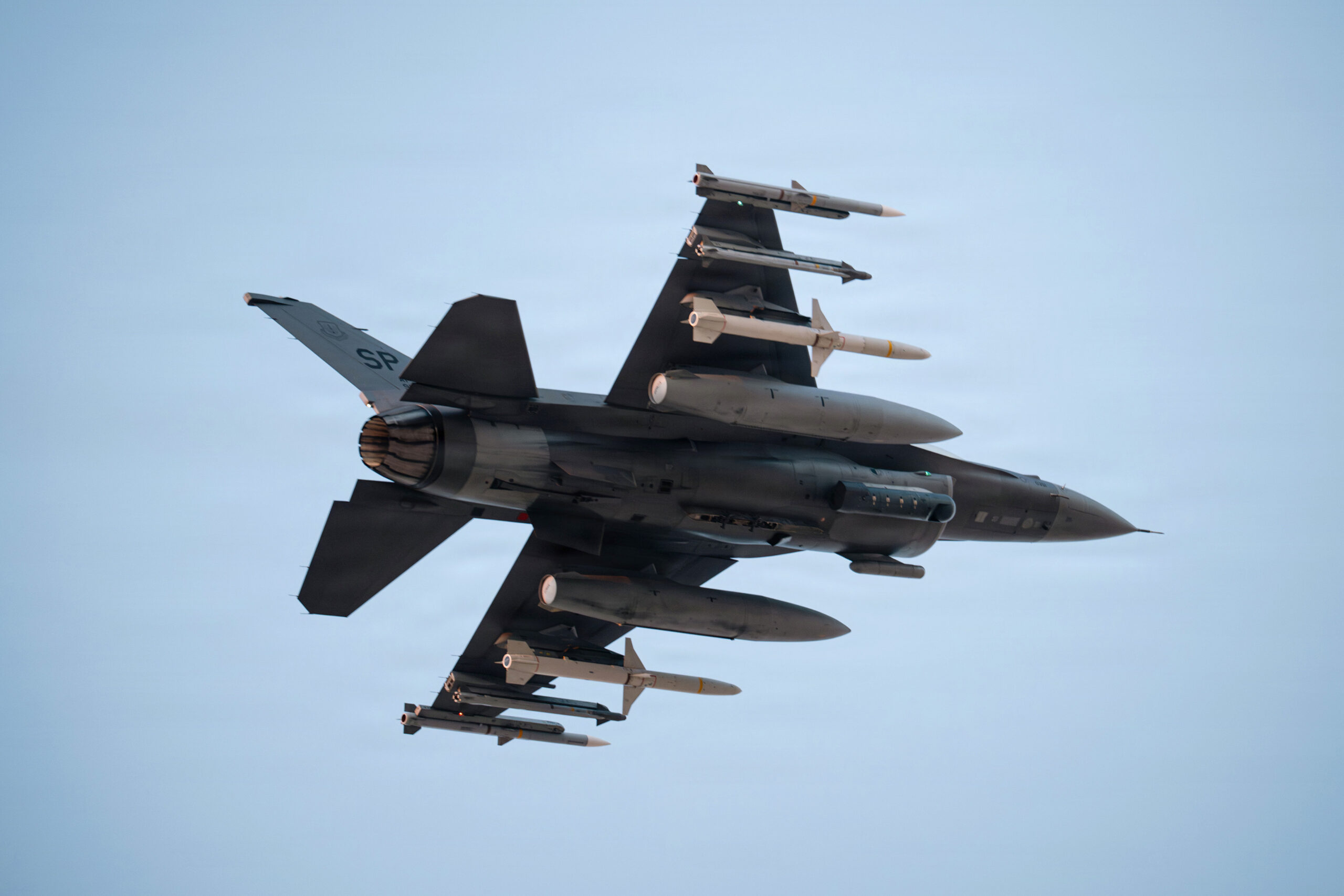
Those requirements are essential if the United States expects its fleet to remain prepared for multiple conflicts instead of betting national security on a quiet world.
Increasing production of Tomahawk and SM 6 missiles will require predictable purchases and longer commitments to manufacturers. “What we’ve recognized is this has to be a risk sharing venture.
The way we buy down risk for them to refacilitize, recapitalize, start more shifts is to give them longer contracts,” Caudle said.

Caudle said the goal is to make contracts lasting at least seven years standard practice. “And what we’re seeing is a fundamental shift already with those levels of commitments and orders.
Tomahawk production’s up, SM 6 production’s up, and you’re already seeing the fruits of this.”
The White House requested $67.1 billion in supplemental funding for the War Department in June to replace depleted munitions and pay for months of operations involving Iran.

War Secretary Pete Hegseth faced aggressive questioning from lawmakers in July over the conflict, its cost and the administration’s objectives.
Meanwhile, the military budget request for Fiscal Year 2027 is approaching a historic $1.5 trillion, representing an increase of more than 40 percent from the preceding year.
That price tag will invite predictable outrage from Washington’s professional hand wringers, but Caudle argued that protecting American power and commerce requires serious investment.
“I don’t think we should be offended by $1.5 trillion,” Caudle said, noting that the amount would still fall short of the 5 percent of gross domestic product benchmark the United States has pressed NATO allies to reach for their own security.

“I mean, it takes a lot of money to go give the security, the vital national interest and security of our system, with an armed forces that we need to allow the economic machine of the United States to work most effectively,” he continued. “If there’s any plug that I would give all of you, it’s ‘I need my money,’ OK?”
Join the Discussion
COMMENTS POLICY: We have no tolerance for messages of violence, racism, vulgarity, obscenity or other such discourteous behavior. Thank you for contributing to a respectful and useful online dialogue.