A Pentagon review of American troop deployments across Europe is moving quickly, with planners expected to deliver at least four sets of options to War Secretary Pete Hegseth by Nov. 6.
That deadline comes nearly a month before the broader review is scheduled for completion.
The six month examination could reshape the posture of roughly 80,000 American troops stationed across Europe.
NATO governments fear major reductions, particularly among countries President Donald Trump believes failed to support the United States and Israel during the war against Iran.
Here's What They're Not Telling You About Your Retirement
The Pentagon’s internal “Terms of Reference” outline the process and criteria officials will use to assess American bases, troop levels, access agreements and strategic infrastructure.
The document offers the clearest look yet at how seriously the Trump administration is approaching the long overdue burden sharing question.
A critical decision briefing involving the top American general in Europe and Pentagon policy chief Elbridge Colby is expected by Sept. 18.
That meeting will help determine which force posture options are ultimately developed for Hegseth.
This Could Be the Most Important Video Gun Owners Watch All Year
Colby is also expected to brief NATO ambassadors at alliance headquarters in Brussels.
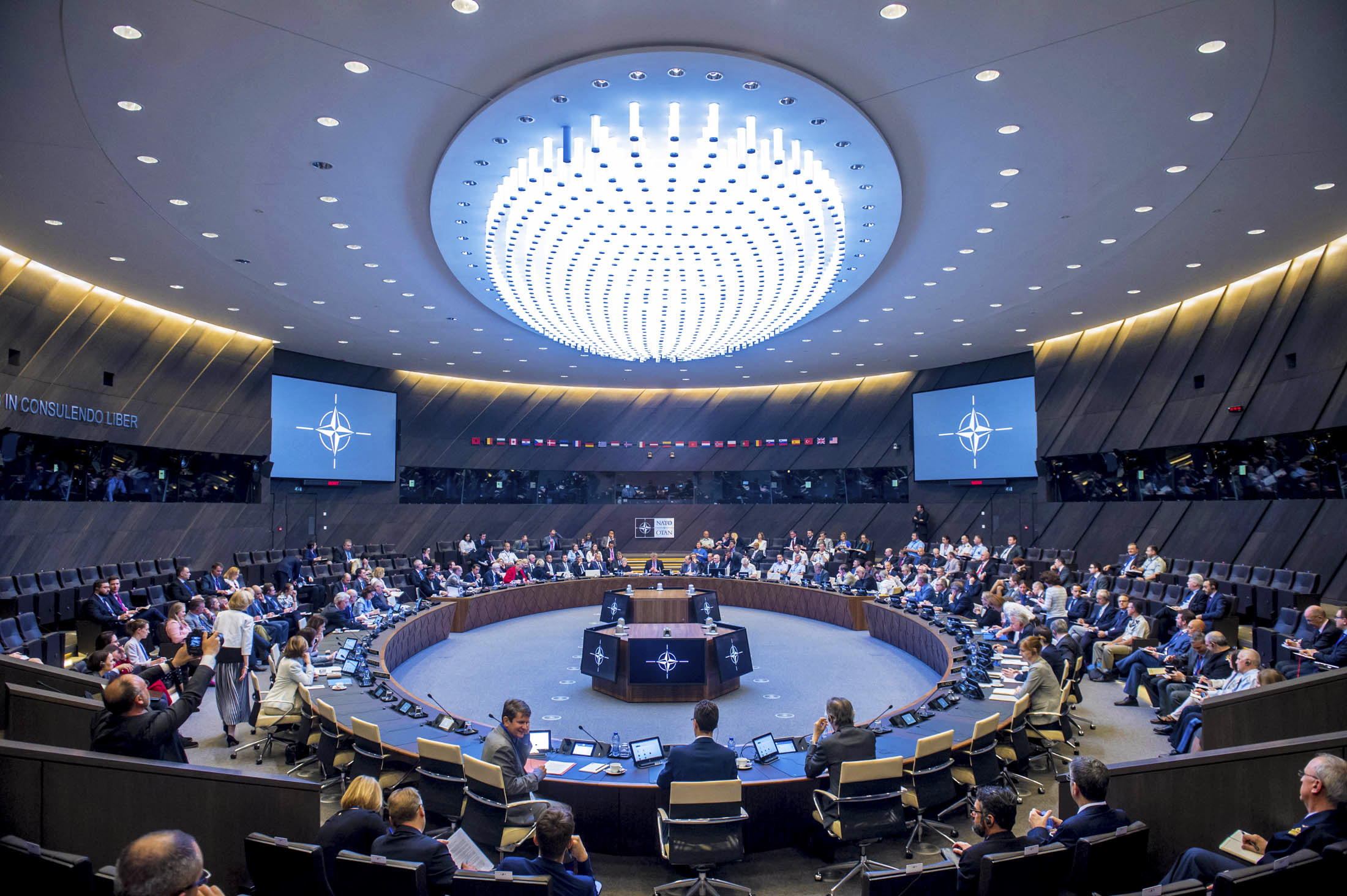
European officials will undoubtedly arrive armed with concerns, promises and the usual assurances that more burden sharing is always just around the corner.
A senior Pentagon official said planners are deliberately developing several detailed choices rather than pushing a single predetermined outcome.
MORE NEWS: Navy’s Sweeping Billet Based Advancement Shift Leaves Nuclear Sailors on a Separate Track
“We want to be able to talk through the pros and cons of a variety of different force levels or dispositions,” the official told Reuters.
Some European governments remain skeptical and privately suspect Washington has already decided to reduce its military presence.
Their anxiety is understandable, since the Trump administration has repeatedly made clear that American taxpayers will no longer carry Europe’s security burden almost alone.
Trump has been especially frustrated by allies that relied on American security guarantees while providing inadequate support during the Iran conflict.
Some countries allegedly delayed or denied basing and overflight access for American aircraft when Washington needed cooperation rather than diplomatic foot dragging.
NATO Secretary General Mark Rutte has acknowledged some of Trump’s frustration, although he maintains that most European allies were helpful.
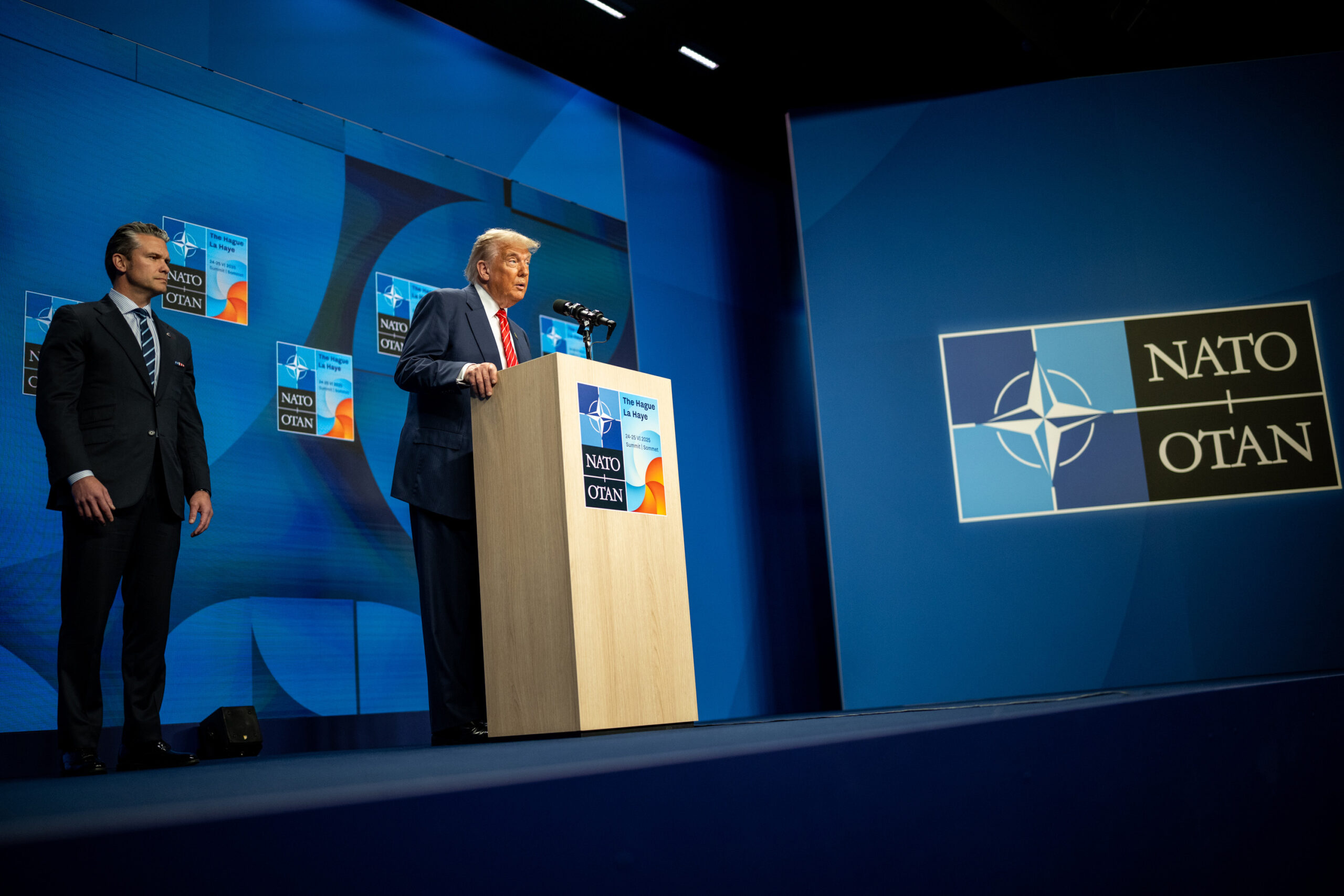
The larger issue remains whether those governments are prepared to lead on their own continent instead of automatically reaching for America’s military and wallet.
The senior Pentagon official said the administration has made clear that “we are transitioning to provide critical, more limited support with allies in the lead.”
That approach reflects Trump’s demand for capable allies, reliable access and measurable commitments instead of ceremonial declarations.
“President Trump has also been quite rightly and clearly frustrated with certain allies’ behavior in recent months. So there’s clearly at least some demand signal to have options that would show us (downgrading) our force levels in Europe,” the official said while speaking anonymously.
Even so, the official said the review is intended to “provide a spectrum of options from where we are to wherever” the analysis leads.
That leaves Hegseth room to weigh military requirements, allied performance and America’s broader global priorities before making recommendations.
When announcing the review in June, Hegseth criticized “free riding” NATO members and said the process would ensure American military “access, basing, and overflight are clearly delineated.”
Those access arrangements, commonly called ABO, could prove decisive when officials judge which allies are dependable.
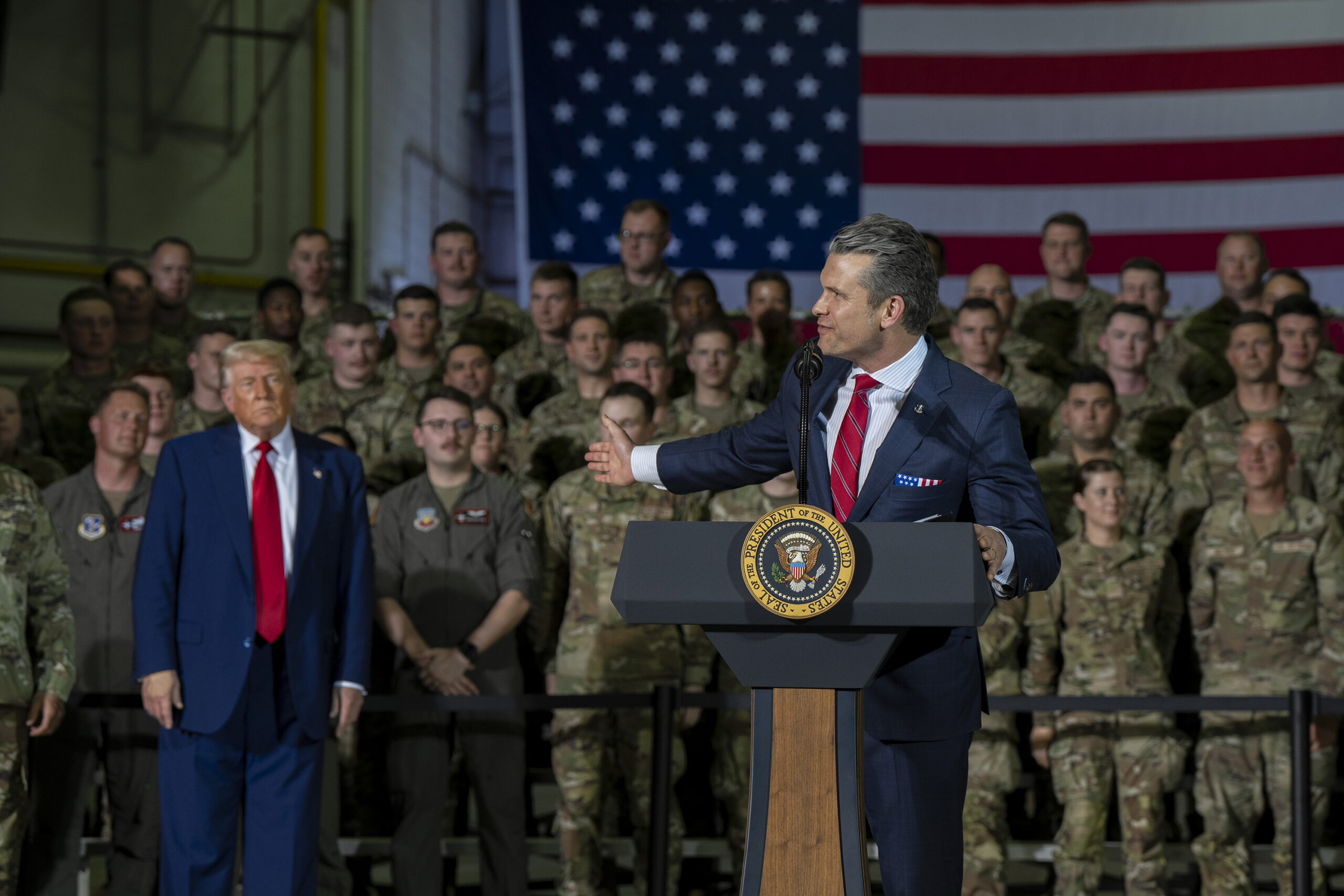
The review expands beyond runways and military installations to examine space, cyber and “intelligence architectures and infrastructure that enable U.S. global power projection.”
Pentagon officials say this broader definition captures the full range of support that NATO countries either provide or restrict.
Planners will also examine whether each ally has a credible path toward meeting NATO spending promises and filling gaps within the NATO Force Model.
Those questions became more urgent after reductions to American contributions to NATO crisis forces were announced earlier this year.
A questionnaire sent to allied governments asks, “What if any restrictions has the country placed on U.S. access, basing, and overflight (ABO)? If so, why? Are they willing to reduce or eliminate any such restrictions?”
Another question asks, “Has the country publicly opposed regulations or other measures designed to inhibit or reduce transatlantic defense industrial cooperation? If so, how? If not, would they be willing to do so?” The answers could influence which countries retain substantial American forces and which discover that reliability matters.
“We are working very, very hard, and it is a relatively tight timeline,” the official said. “A lot of prior analysis will inform this, which should allow us to move quicker on our end.”
Join the Discussion
COMMENTS POLICY: We have no tolerance for messages of violence, racism, vulgarity, obscenity or other such discourteous behavior. Thank you for contributing to a respectful and useful online dialogue.