The U.S. military and Iran traded strikes overnight after American forces attacked Iranian positions on an island in the Strait of Hormuz.
The exchange marked the first U.S. strike against targets in Iran since the end of July.
American forces hit two Iranian launch sites on Larak Island on Sunday. U.S. officials said Iranian forces appeared to be preparing rockets carrying sea mines for launch into one of the most strategically important waterways on the planet.
Larak Island sits inside the Strait of Hormuz and is used by Iranian military forces.
Here's What They're Not Telling You About Your Retirement
Commercial vessels traveling through the narrow strait pass near the island, making any potential minelaying operation a direct threat to international shipping and global energy markets.
Iranian media reported that the American attack caused numerous fatalities and other casualties.
Those figures were not independently confirmed, and U.S. Central Command described the operation as a deliberately restricted strike aimed at a specific threat.
In a statement posted on social media, CENTCOM said U.S. forces “took limited, precise action against IRGC minelaying forces posing an imminent threat in the Strait of Hormuz.” The statement framed the attack as a protective operation rather than the opening of a broader campaign.
This Could Be the Most Important Video Gun Owners Watch All Year

Iran’s Islamic Revolutionary Guard Corps responded by promising retaliation.
The IRGC then launched drones and missiles toward American bases in Jordan, bringing U.S. personnel in the region back under direct Iranian fire after weeks without reported American strikes inside Iran.
The IRGC claimed it targeted King Hussein and al Azraq bases, both of which support U.S. military operations in Jordan.
Iranian officials also claimed the attack caused significant infrastructure damage at the two installations, though those assertions were not independently verified.
Jordan’s military presented a different picture, reporting that its forces intercepted eight missiles after they entered Jordanian airspace.
No casualties were reported following the Iranian attack, suggesting Tehran’s retaliation produced more noise than confirmed battlefield results.
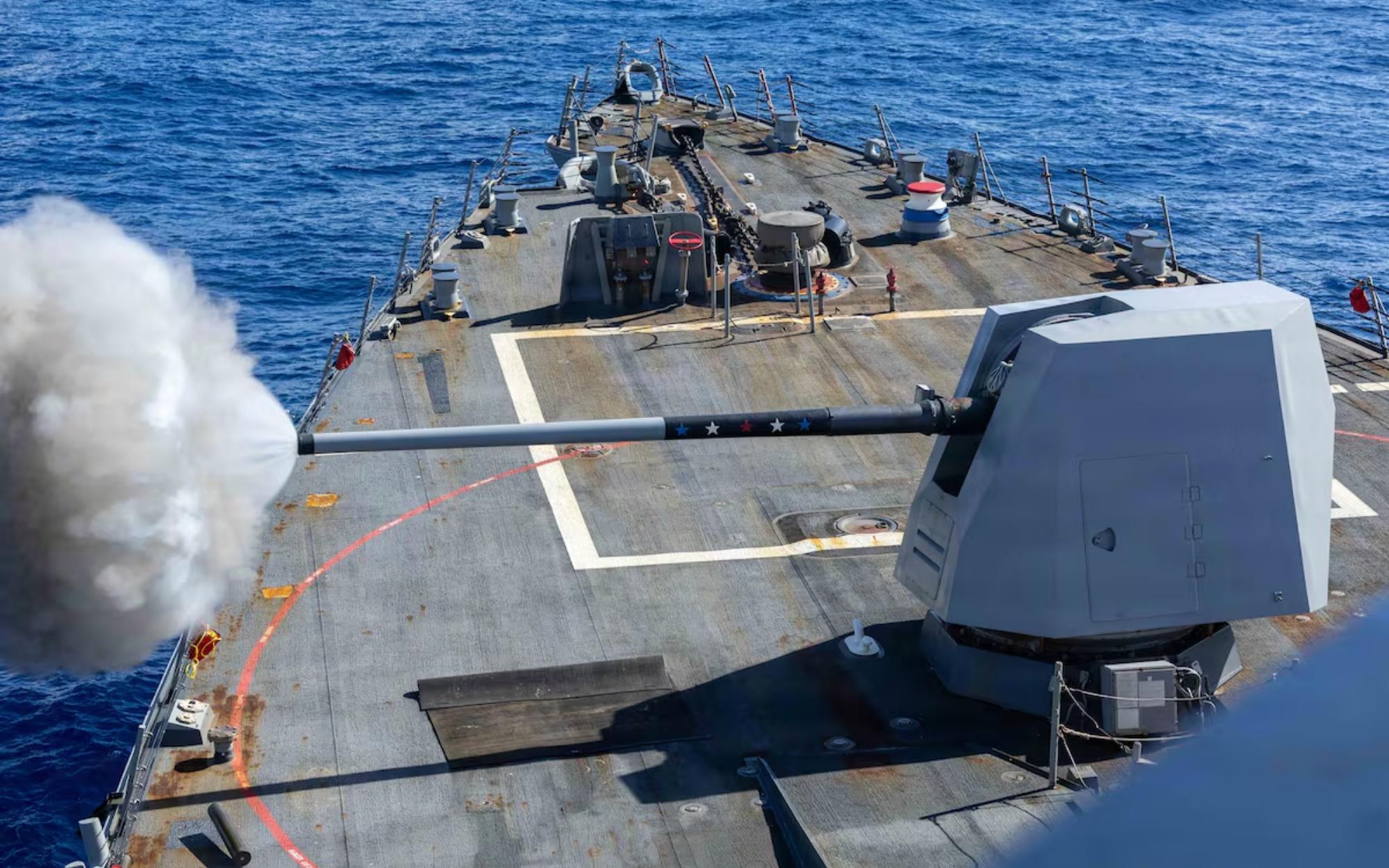
The renewed fighting came just two days after CENTCOM announced that American forces had disabled or removed all mines found inside two major international shipping lanes in the Strait of Hormuz. That work was intended to restore safer passage through waters routinely used by commercial tankers.
The possible Iranian attempt to deploy additional mines indicates the danger has not disappeared.
Tehran has repeatedly treated commercial shipping routes as pressure points, betting that threats to maritime traffic can force foreign governments and businesses to react.
Another warning sign emerged Saturday when the United Kingdom Maritime Trade Organization reported an incident involving a tanker in the strait.
The organization said the vessel had been struck by an “unknown projectile” about 12 nautical miles north of Khasab, Oman.
Officials did not immediately establish who fired the projectile or whether that tanker incident was connected to the Iranian preparations reported by CENTCOM.
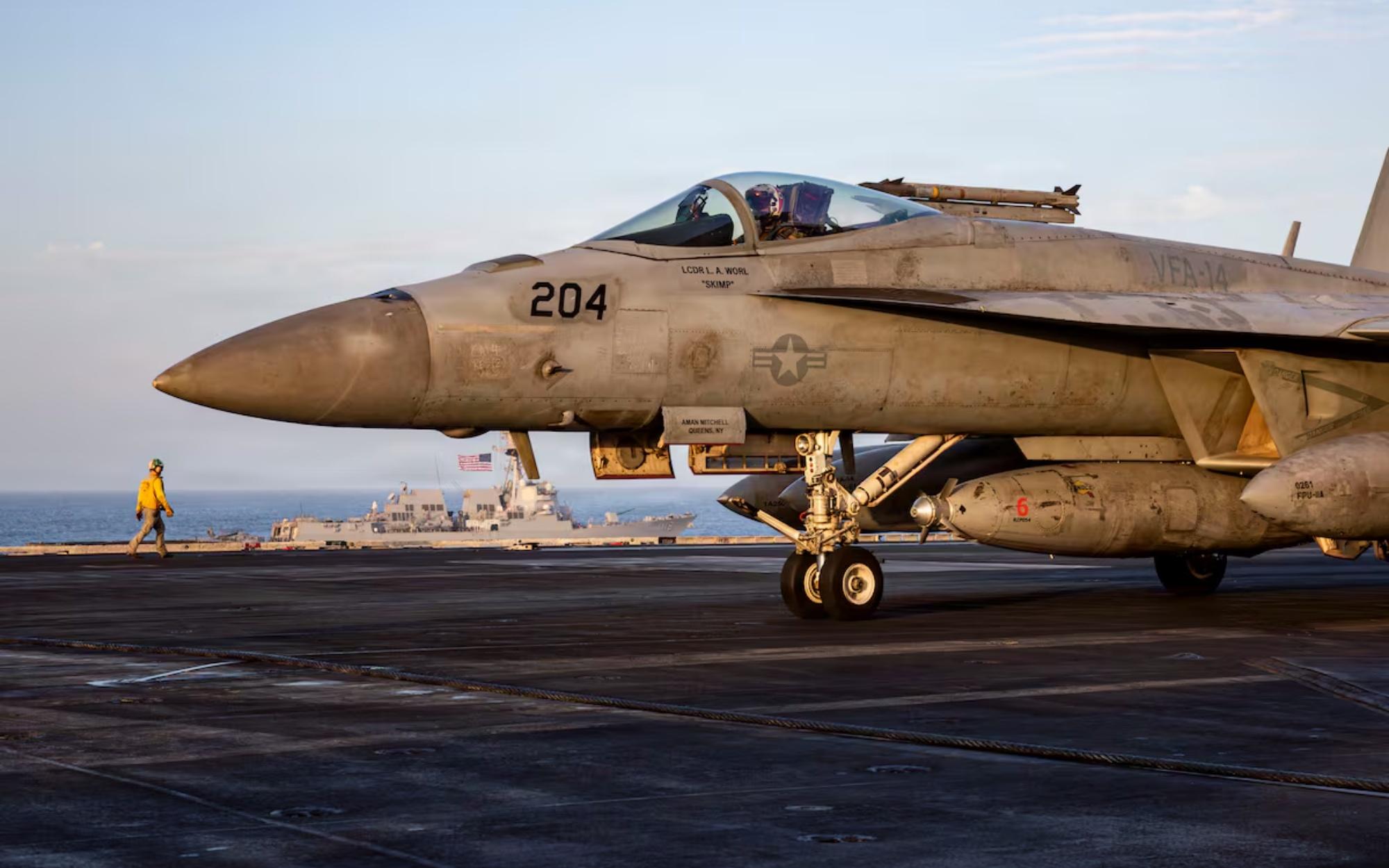
Even so, the timing added to concerns that vessels operating in the strait remain exposed to mines, missiles, drones, and other attacks.
The overnight exchange was the first reported U.S. strike against Iran since July 30.
A previously agreed ceasefire collapsed during July, prompting CENTCOM to conduct several days of attacks against Iranian positions following repeated incidents around the Strait of Hormuz.
Those earlier hostilities carried a deadly cost for American forces. Iranian strikes killed three U.S. soldiers in Jordan, while another American service member died in Iraq while responding to a crashed Iranian one way attack drone.
The Strait of Hormuz remains a vital artery for international commerce and energy shipments, which makes Iranian military activity there far more than a regional nuisance.
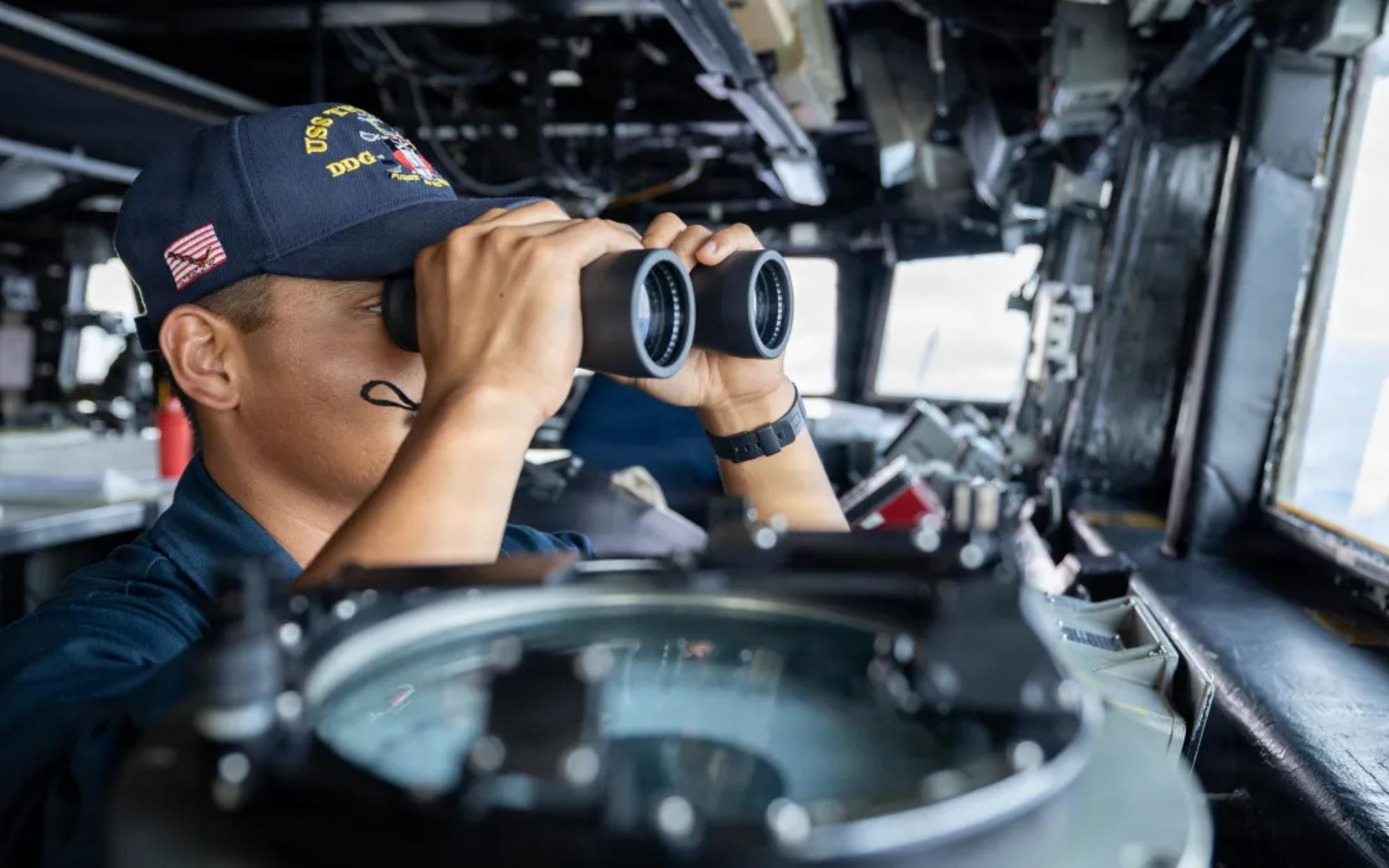
Any serious disruption could threaten American personnel, allied nations, civilian crews, and the economic stability of countries far beyond the Middle East.
For now, both sides appear to have limited their operations, but the latest strikes show how quickly the situation can reignite.
American forces have again demonstrated that preparations to mine a crucial shipping corridor can draw an immediate military response.
Join the Discussion
COMMENTS POLICY: We have no tolerance for messages of violence, racism, vulgarity, obscenity or other such discourteous behavior. Thank you for contributing to a respectful and useful online dialogue.