The Army’s newest drone specialists are already graduating from training at Fort Huachuca, Arizona, as the service races to prepare soldiers for a battlefield increasingly shaped by unmanned aircraft.
Two more classes will graduate Wednesday as 15X tactical unmanned aircraft system specialists.
The course has already graduated more than 250 soldiers across nearly a dozen classes.
Those ranks include fresh recruits arriving from basic training and experienced soldiers transferring from other specialties.
Here's What They're Not Telling You About Your Retirement
“The recruiting folks have been gangbusters on this and sending us people at the rate at which we can receive them,” said Col. Michael Gourgues, commander of the 1st Aviation Brigade.
“We think by the end of this year, we’re going to have trained 770 new 15Xs.”
Every new Army recruit now receives basic drone familiarization, but 15X soldiers continue into a 15 week Advanced Individual Training course.
There, they learn to assemble, repair and operate small, medium and large unmanned aircraft.
This Could Be the Most Important Video Gun Owners Watch All Year
Training occurs during the day and at night across wooded and desert terrain. Soldiers also fly against an opposing force while learning how to function in contested environments where jamming, enemy fire and difficult conditions are expected.
“The Army has not bought a drone that the 15X is responsible for being an expert on. The Army’s bought a bunch of them,” Gourgues said.
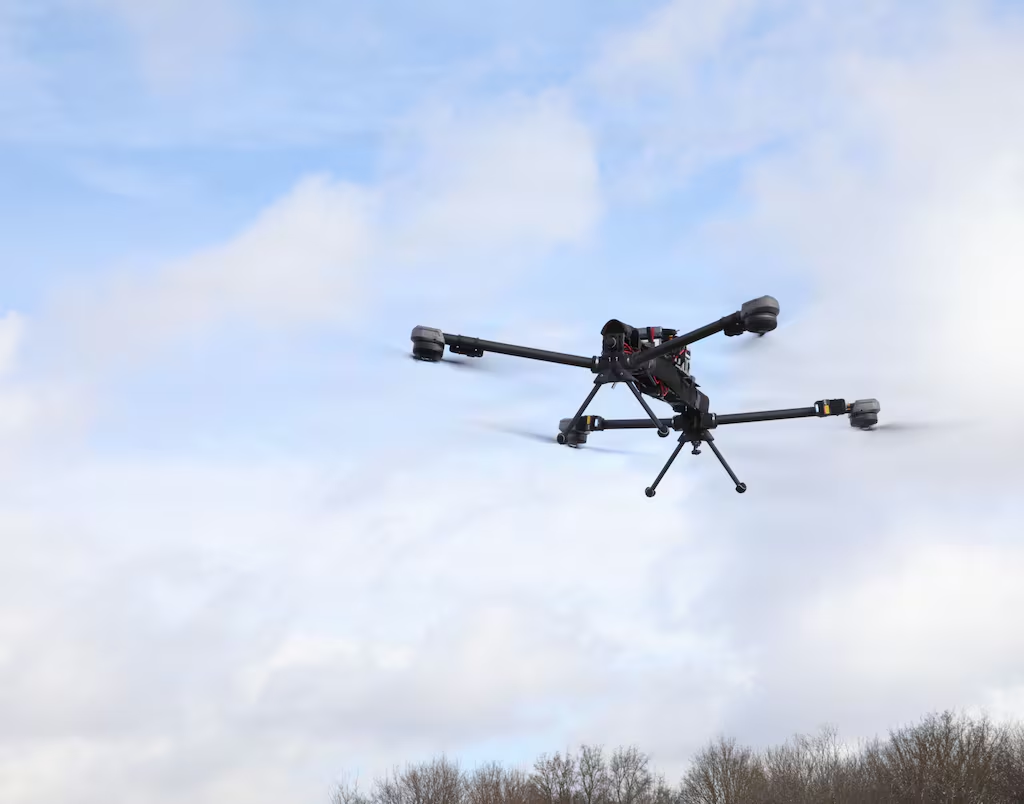
“For the first time ever, it’s not like ‘Hey, here is your rifle.’ It’s like, ‘Hey, I have 30 weapons that I need to make sure that you can shoot.’”
That variety reflects how quickly drone warfare is evolving, particularly after conflicts overseas demonstrated the lethal value of cheap, adaptable unmanned systems.
The course emphasizes larger, long distance aircraft, but soldiers also work with tactical FPV drones that can support infantry units or specialized teams operating behind the front.
Instructors want each graduate to become a “jack of all trades” capable of understanding unfamiliar technology within hours.
They continually debate how much time should be devoted to FPV systems, larger aircraft, airspace procedures and emerging robotics.
A “lessons learned manager” tracks open source developments and shares observations with Army aviation, maneuver, fires and cyber centers.
That process allows the training program to react quickly instead of waiting for the bureaucracy to finish admiring its paperwork.
“We’re not teaching secret classes. We watch it online,” Gourgues said. “I can buy a drone that can fly by wire, and within a week or two my drone instructors have a fly by wire drone, and they’re showing the new MOS: ‘Hey, this is how it works, and this is how you might fly it.’ And if we think it’s something that they are going to do, then we put it into the program of instruction on a permanent basis.”
Graduates could serve with brigade combat teams, squads, military intelligence elements or cyber formations. Some may directly operate aircraft, while others will advise commanders about incorporating drones into training, planning and combat operations.
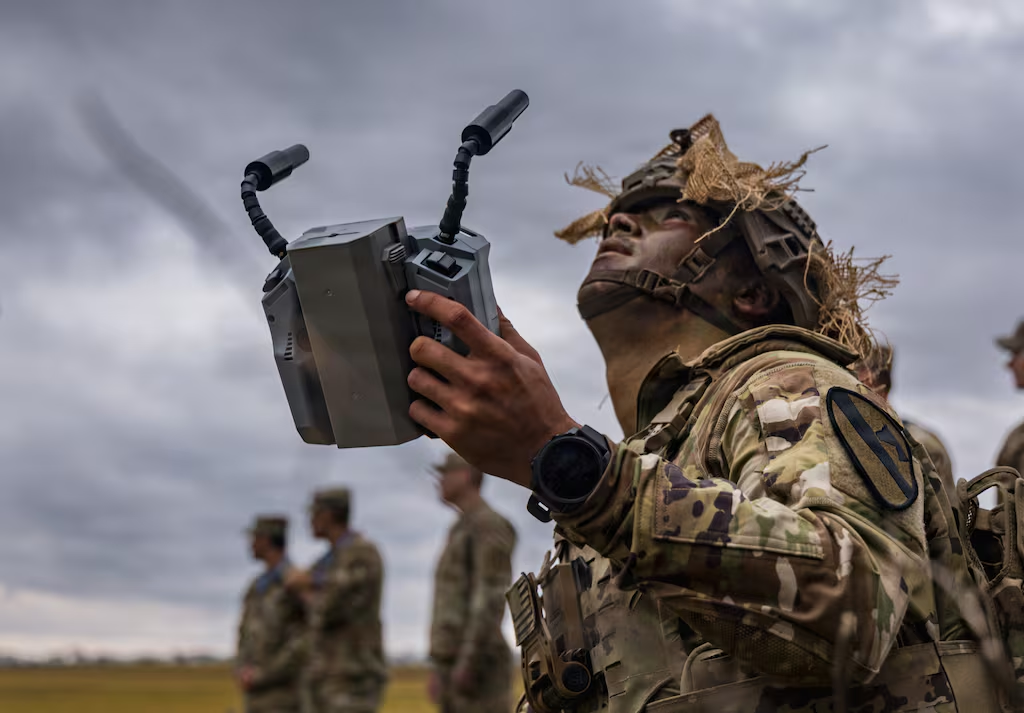
The 15X specialty covers Group 1, Group 2 and Group 3 unmanned aircraft under the classifications used by the Department of War.
Group 3 systems, the largest aircraft assigned to these specialists, remain the program’s primary focus.
“We are going to make sure that they are experts on utilizations of Group 1 and 2, but that is not limited to 15X,” Gourgues said. “You don’t have to be a 15X to fly that, but the differentiator that we see is utilization of it is: how do you inform the commander on the best use of it to achieve the effects that they’re seeking?”
The Army currently expects to field between 2,000 and 3,000 of these specialists, although that estimate could change as doctrine and unit requirements mature.
Infrastructure, not recruiting enthusiasm, is presently the biggest obstacle.
“We are literally filling all of our barracks beds. My limiting factor right now is infrastructure on how many folks I can train,” Gourgues said.
“At some point the Army is going to say, ‘Hey, we have enough personnel. We understand how we’re going to fight this and how many folks need to be in there.’ And they’re going to turn the rheostat knob down on me. But this is the first year we’re doing it, and so we’re going 100 miles an hour.”
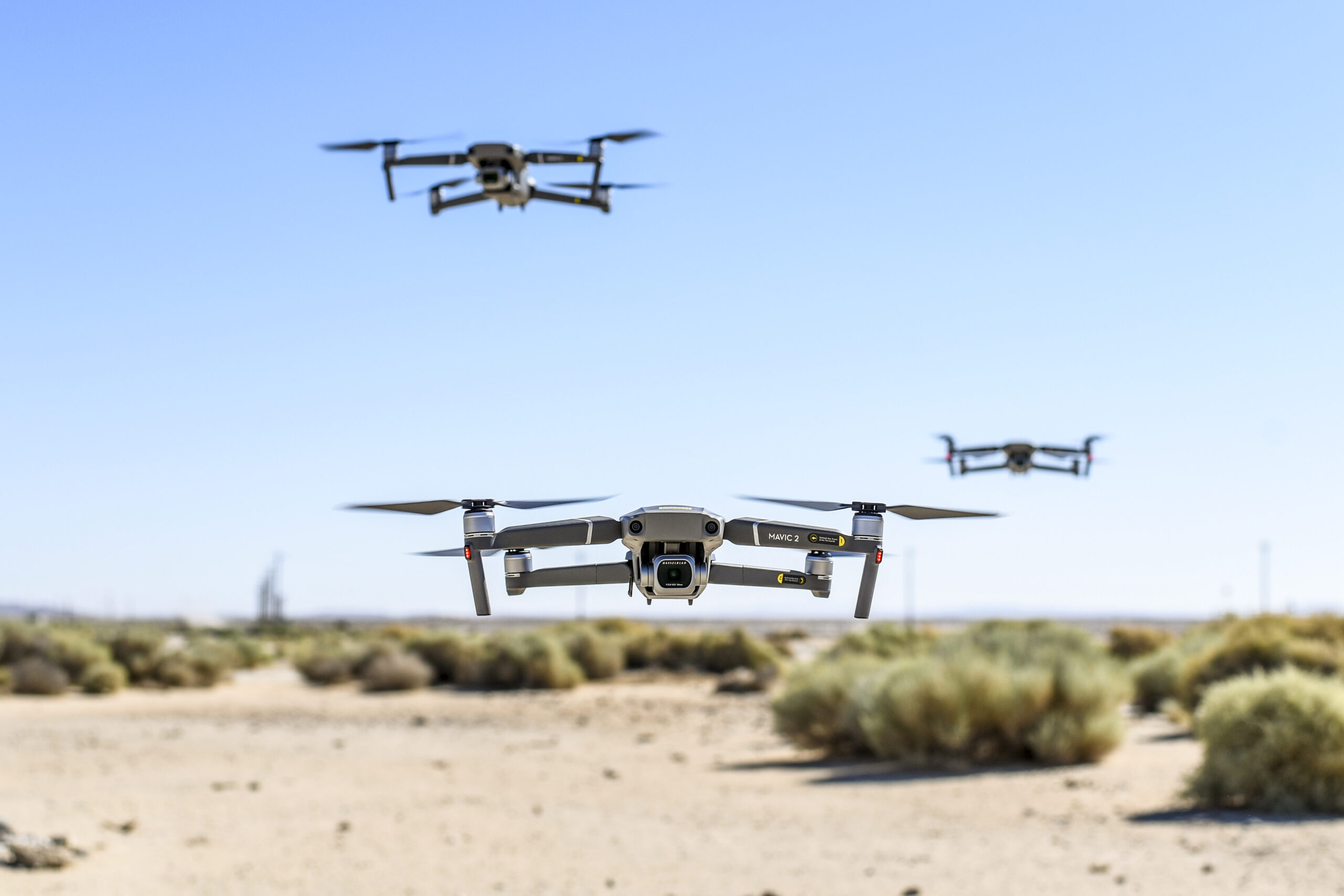
About two thirds of the first wave will be new recruits, while the remainder will include experienced 15W operators and 15E repairers.
Those soldiers are expected to recertify under the 15X specialty by October.
The Army kept the program within aviation because of the “sheer complexity” involved in operating longer range aircraft such as the Shadow and Gray Eagle.
Operators must understand weather, flight regulations, air traffic control and safety because those aircraft share airspace with helicopters and jets.
At the same time, 15X soldiers must perform “all the physical things” expected inside an infantry brigade combat team. Army requirements call for “significant” strength and aerobic performance while requiring soldiers to remain “fully deployable to all locations and echelons.”
The new specialty no longer requires the same flight physicals previously imposed on 15W and 15E soldiers. “Now they pass a basic airborne physical,” Gourgues said.
“Can you duck walk? Can you walk without a limp? Are you able to do the Army physical fitness test? And if you can do those things, then welcome to the MOS.”
Join the Discussion
COMMENTS POLICY: We have no tolerance for messages of violence, racism, vulgarity, obscenity or other such discourteous behavior. Thank you for contributing to a respectful and useful online dialogue.