The Department of Veterans Affairs is nearly tripling the ceiling on its electronic health record contract with Oracle, but lawmakers still cannot get a straight explanation for the staggering increase.
What began with a ceiling near $10 billion has now ballooned into a modernization effort carrying an estimated total price of roughly $48 billion.
The immediate contract ceiling has risen to nearly $27 billion, an increase of about $17 billion from the original agreement.
That figure is not money already spent, but it represents the maximum potential value Oracle could receive under the expanded contract.
MORE NEWS: Pentagon Confirms First Military Execution in Over 60 Years Will Be Publicly Livestreamed
VA signed the original deal with Cerner in 2018 before Oracle acquired the company in 2022.
The ten year project was supposed to replace the aging Vista system and create a common electronic health record with the Department of War.
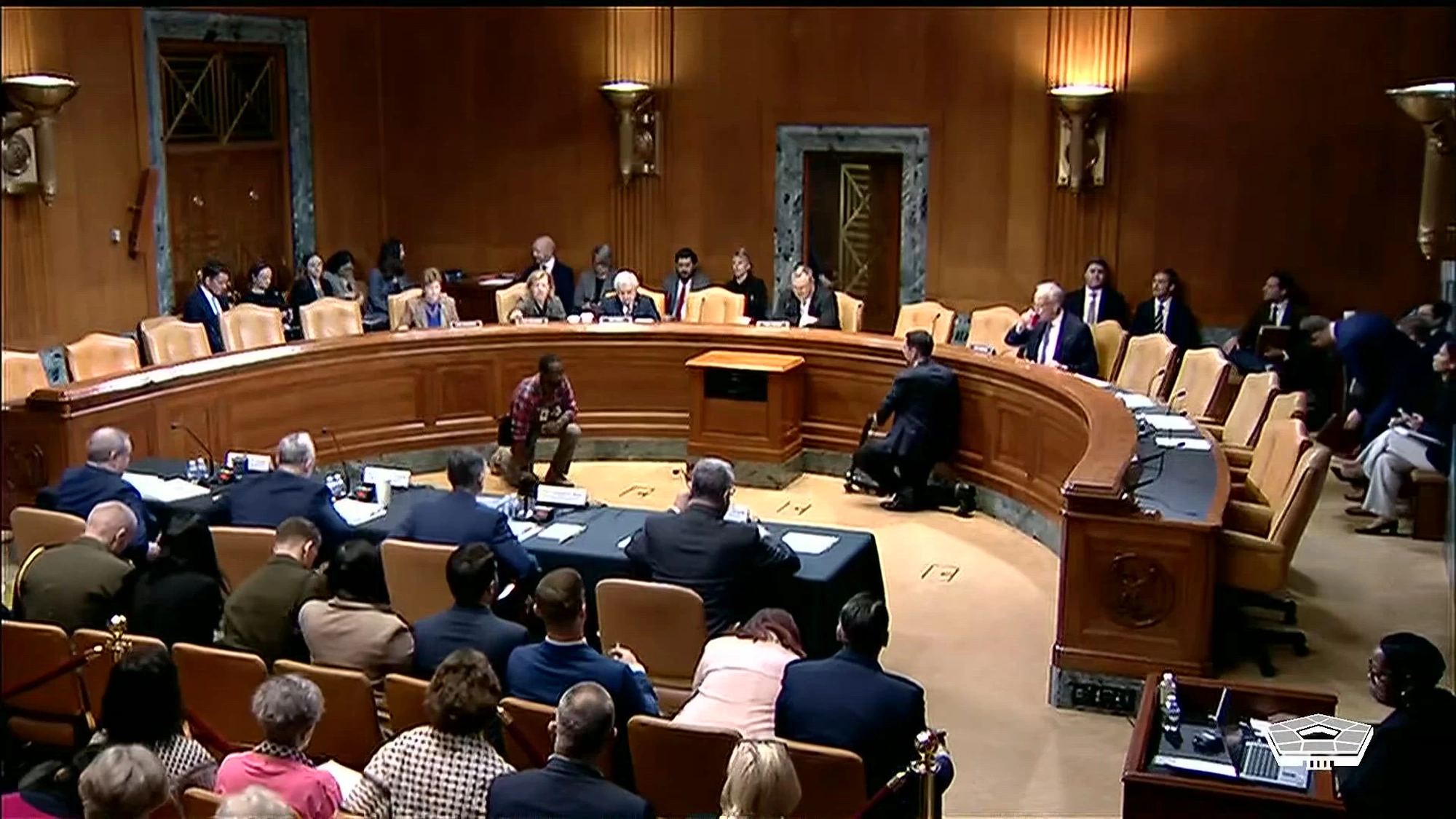
During a House Veterans’ Affairs Committee hearing Wednesday, lawmakers from both parties pressed VA officials to explain why another $17 billion in contract authority is necessary.
They left without detailed answers, which is becoming a familiar feature of federal technology spending.
VA Deputy Secretary Paul Lawrence said the department estimated the cost of completing deployment through 2031 and requested a proposal from Oracle.
An acquisition team then negotiated the revised contract, but Lawrence said he was not directly involved in those negotiations.
As a result, Lawrence could not explain what drove Oracle’s proposal so dramatically higher, how much the government negotiated away, or which specific requirements created the additional expense.
That is quite a knowledge gap when taxpayers are being exposed to billions in additional potential costs.
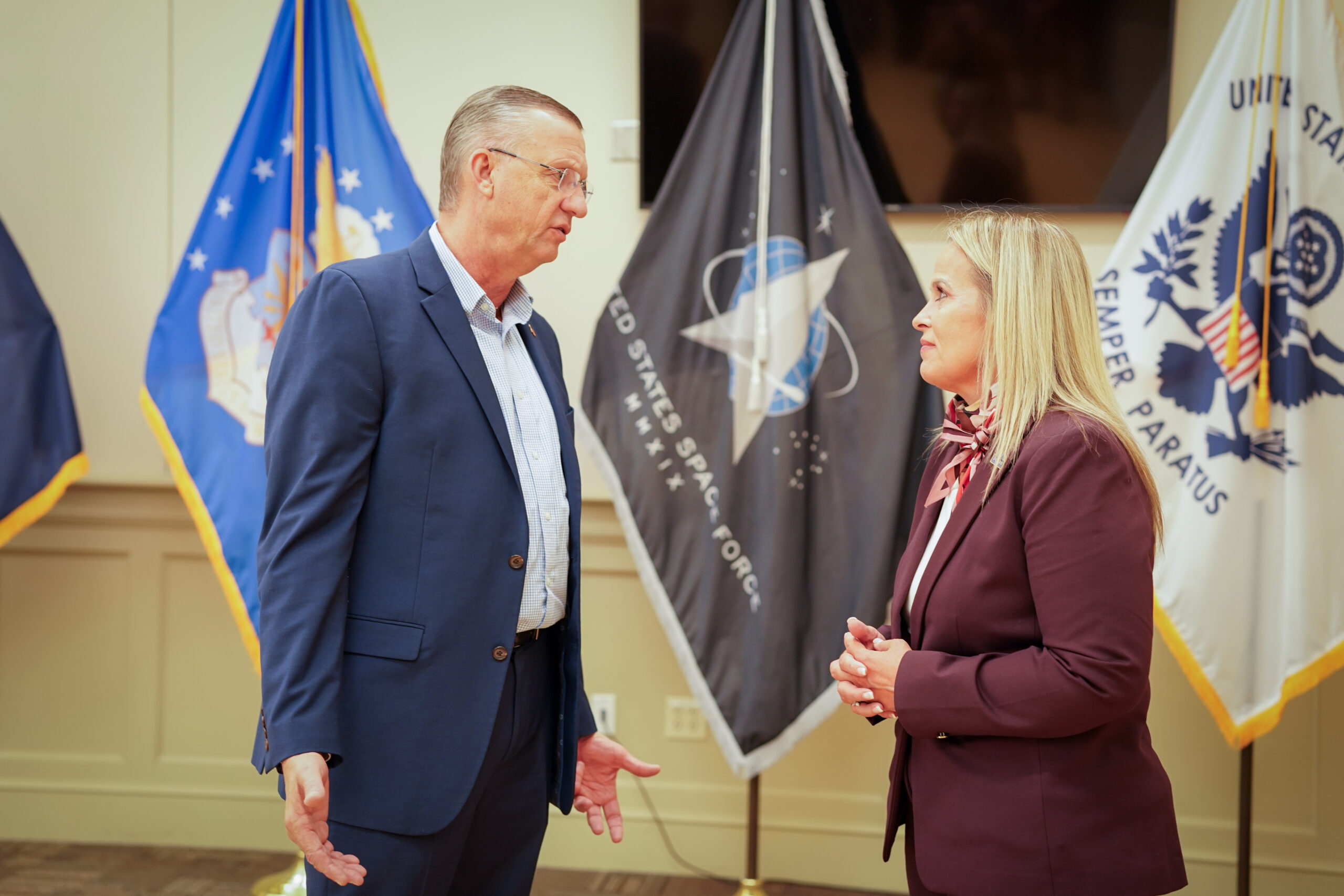
Chairman Mike Bost of Illinois asked whether VA expected to reach the original ceiling early and whether an accelerated rollout helped drive the increase. Lawrence replied that VA had “hit the ceiling as planned.”
That answer did little to settle the matter.
Lawrence also referred to problems and complexities from earlier phases that Oracle needed to address, but lawmakers did not receive a detailed breakdown of those issues or learn when VA concluded the original ceiling was inadequate.
Lawrence emphasized that the $27 billion amount is a ceiling rather than an automatic payment to Oracle.
The arrangement operates on a time and materials basis, with individual work negotiated and funded beneath that limit.
The expanded deal also covers much more than the electronic health record software.
It includes licensing, hosting, managed services, training, testing, data migration, change management, deployment assistance, and other support stretching across the program.
Lawmakers repeatedly raised Oracle Health CEO Mike Sicilia’s 2022 statement that the company was prepared to absorb cost overruns tied to the VA project.
Lawrence acknowledged the statement but could not explain how that assurance was reflected in the latest negotiations.
The department’s estimate for the entire modernization effort is even more alarming.
Lawrence said VA expects deployment through 2031 to cost about $37 billion, followed by another $11 billion for sustainment, bringing the potential total to approximately $48 billion.
When Representative Maggie Goodlander of New Hampshire asked whether that figure came from an independent estimate, Lawrence corrected himself and admitted it did not.
In other words, lawmakers were handed an enormous number without the independent validation expected for a project of this size.
The Government Accountability Office reported that VA has not produced an updated cost estimate or enough scheduling documentation to determine whether the plan follows leading practices.
GAO also said VA had fully implemented only four of its 18 recommendations, leaving 14 unresolved as of August.
VA officials argued that recent deployments have improved compared with the program’s troubled earlier stages.
The system has reached 11 sites in 2026, while Cleveland and Anchorage are scheduled for October and another 26 sites are planned for 2027.
Lawrence said VA uses 15 “return to normal” measurements, including emergency department throughput, surgeries, ambulatory visits, and inpatient care.
He also said trouble tickets have declined, with more than 75 percent of tickets at the Indiana site closed and validated by users by Day 12.
Serious patient care questions remain. Representative Herb Conaway of New Jersey cited reports that roughly 300 dermatology referrals were canceled after implementation at one VA facility, including referrals involving veterans with cancer diagnoses.
VA chief medical officer Dr. Adam Evans did not explain what occurred and instead asked lawmakers to provide the information for investigation.
Representative Chris Pappas of New Hampshire also said some employees completed Oracle training without feeling prepared, while certain new workers reportedly could not document care for two to four weeks.
Ranking Member Mark Takano cited continued concerns from workers at multiple locations.
“Employees in Michigan, Southern Ohio, and Indiana are telling us that many of the issues identified by the first six sites still have not been fixed,” Takano said.
Oracle initially accepted an invitation to testify but later declined, citing time constraints. Representative Maxine Dexter moved to subpoena Oracle executive chairman Larry Ellison and CEO Mike Sicilia, arguing that effective oversight is impossible when the contractor refuses to appear.
The hearing ended with basic multibillion dollar questions still unanswered, including what Oracle requested, what VA negotiated, and why taxpayers may bear costs Oracle previously suggested it would absorb.
Lawrence nevertheless remained confident, concluding, “This is the money available to do the things we need to do.”
Join the Discussion
COMMENTS POLICY: We have no tolerance for messages of violence, racism, vulgarity, obscenity or other such discourteous behavior. Thank you for contributing to a respectful and useful online dialogue.