In Washington, bold leadership often requires decisive action, and that is exactly what Americans witnessed this week. Defense Secretary Pete Hegseth, with the support of President Donald Trump, made sweeping changes within the upper ranks of the Pentagon and intelligence community.
These moves reflect not only a demand for accountability but also a determination to ensure America’s military and intelligence agencies are aligned with the mission of protecting the nation, rather than entrenching bureaucracy or undermining elected leadership.
Lt. Gen. Jeffrey Kruse, the now former head of the U.S. Defense Intelligence Agency, was removed from his position after his agency’s preliminary report on U.S. strikes against Iran directly contradicted the president’s public assessment. According to sources, Kruse’s departure was not unexpected.
His agency had leaked an assessment suggesting Iran’s nuclear program had only been set back by a few months, an analysis that directly clashed with both Trump’s and Israeli Prime Minister Benjamin Netanyahu’s declarations that the program had been “completely and fully obliterated.”
Here's What They're Not Telling You About Your Retirement
#BREAKING DIA spokesperson tells me that Lt. Gen. Kruse is no longer the Director of the Defense Intelligence Agency. Deputy Director Christine Bordine has assumed the role of Acting Director of DIA “effective immediately”
— Carla Babb (@CarlaBabbVOA) August 22, 2025
The president had long been clear about his frustration with intelligence agencies that appeared more concerned with political narratives than with supporting American strategy. His criticism of the DIA built upon earlier grievances, including intelligence assessments about Russian interference in 2016. For Trump, those reports represented years of politicized analysis, and the removal of Kruse shows that patience with such contradictions has run out.

Hegseth made it clear in a press conference earlier this summer, following the successful strikes on Iranian nuclear sites, that the media’s obsession with leaked assessments distorted reality. “You want to call it destroyed, you want to call it defeated, you want to call it obliterated — choose your word. This was a historically successful attack,” Hegseth declared.
This Could Be the Most Important Video Gun Owners Watch All Year
His words cut to the core of the issue: victory was being downplayed by insiders more interested in undermining the administration than acknowledging America’s strength.
The Defense Secretary’s leadership went further this week with the removal of two top Navy officials, Vice Adm. Nancy Lacore, chief of the Navy Reserve, and Rear Adm. Milton Sands, who oversaw Naval Special Warfare Command. While critics have rushed to frame these firings as politically motivated, they ignore the larger truth.
The administration has been systematically reshaping the Pentagon’s leadership, ensuring that those entrusted with safeguarding the nation’s defense are committed to mission readiness, unity of command, and the priorities set forth by elected civilian leadership.
Predictably, Democrats in Congress have sounded alarms. Senator Mark Warner of Virginia said, “The firing of yet another senior national security official underscores the Trump administration’s dangerous habit of treating intelligence as a loyalty test rather than a safeguard for our country.”
Representative Jim Himes of Connecticut similarly claimed the decisions created “an atmosphere of fear” within the intelligence community. Yet these criticisms miss the heart of the matter. Loyalty to country and mission is not the same as blind loyalty to politics. What Hegseth and Trump are demanding is that officials operate within the chain of command, remain accountable, and avoid undermining national security with leaks or half-baked reports.
This is not the first time Trump has dismissed officials who appeared to place politics above results. He has removed leaders across multiple agencies, from economic offices after weak jobs reports to those who tried to push politicized climate or vaccine studies. The message is consistent: results matter more than bureaucracy, and accountability is not optional.
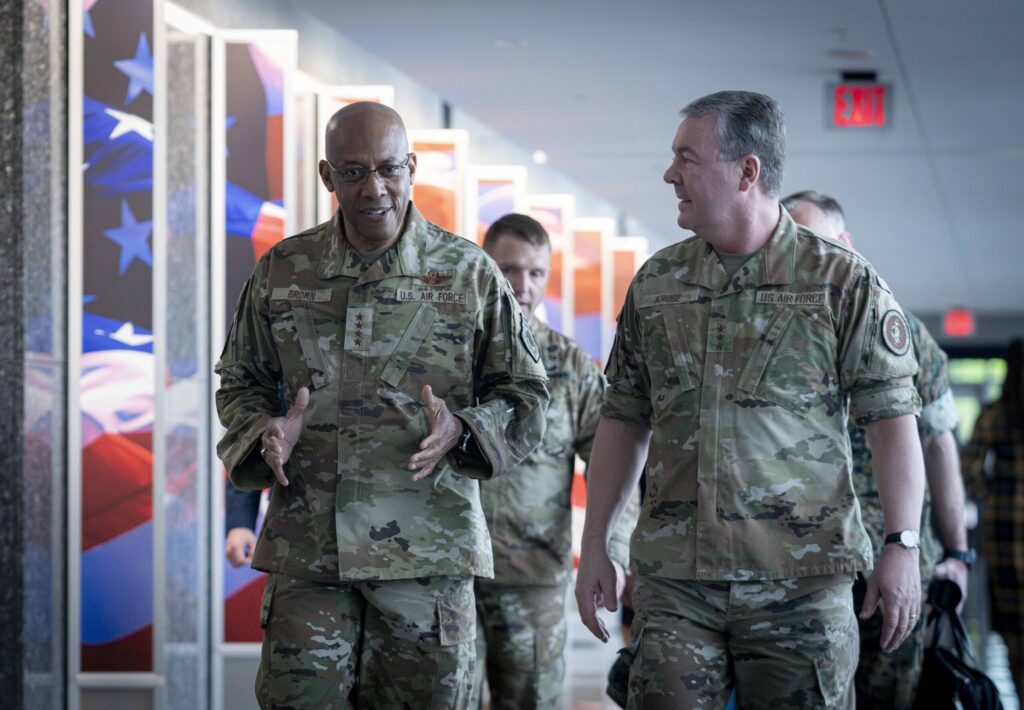
The firings also come during a week of broader reforms. The Office of the Director of National Intelligence announced plans to cut both its staff and budget, a move designed to streamline operations and reduce waste. Meanwhile, the Air Force’s top officer, Gen. David Allvin, confirmed an early retirement, further underscoring the scope of change underway.
Hegseth, since taking the helm at the Pentagon, has demonstrated a willingness to confront entrenched structures that have often resisted change. In recent months, he has removed senior officials believed to prioritize diversity and inclusion programs over combat readiness and national defense.
For Hegseth and Trump, the priority is crystal clear: America must have a military focused on winning wars, protecting its people, and standing firm against adversaries like Iran.
Critics argue these changes weaken the intelligence community and military leadership. Supporters see the opposite. They recognize that real leadership sometimes requires cutting through layers of complacency to build a stronger, more disciplined team. The administration’s actions are a direct assertion that the Pentagon and intelligence agencies exist to serve the American people, not to operate as independent bureaucracies immune from accountability.
Therefore, the shake-up at the Pentagon should not be viewed as chaos but as clarity. For too long, unelected officials have wielded outsized influence without facing the consequences of flawed or politically motivated analysis. With Trump and Hegseth steering the ship, the nation is seeing what it looks like when leaders demand results, hold officials accountable, and refuse to accept excuses in matters of national security.
The firings are not just about replacing individuals. They symbolize a broader shift toward a defense establishment that respects civilian oversight, prioritizes mission success, and refuses to bow to internal politics. In a dangerous world, such boldness is not just necessary — it is vital for America’s future.
Join the Discussion
COMMENTS POLICY: We have no tolerance for messages of violence, racism, vulgarity, obscenity or other such discourteous behavior. Thank you for contributing to a respectful and useful online dialogue.