The guided missile carrier USS Gerald R. Ford, America’s newest and largest warship, is set to briefly pull into Souda Bay on the Greek island of Crete after a fire broke out aboard the vessel in the Red Sea region.
The ship remains in a posture to continue operations, but the port call will allow crews to assess conditions and perform safety checks before returning to the fight.
The Ford has been deployed for nine months, moving from Caribbean operations against Venezuela to the Middle East in a broad show of force against Iran.
The extended length of the mission has prompted questions about crew morale and overall readiness as sailors balance demanding schedules with the need for rest and repairs.
Navy officials speaking to reporters on background stressed that the ship remains an effective, capable platform even as investigators review the incident.
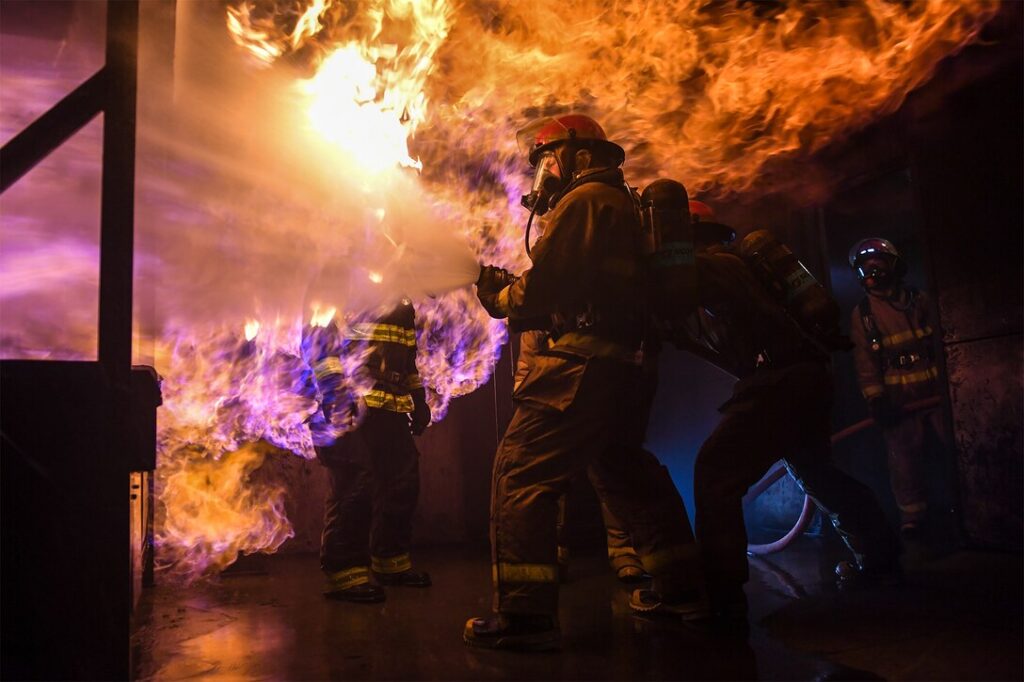
According to the officials, nearly 200 sailors were treated for smoke-related injuries when the fire occurred in the ship’s main laundry area.
The blaze took hours to bring under control and affected roughly 100 sleeping berths, forcing sailors from their racks as smoke spread through portions of the carrier.
One service member was flown off the ship for injuries, while the fate of others was monitored with medical teams standing by.
Initially, Defense officials indicated that there was no damage to the ship’s propulsion plant and that the Ford remained fully operational.
That early assessment has not deterred a routine pause in operations, as the Navy conducts a thorough review of the incident and ensures the carrier’s systems are safe for continued service.
The capacity to project power remains intact, with the Ford continuing to operate in support of broader strategic aims.
The United States has carried out strikes against more than 7,000 targets since it began operations against Iran on February 28.
The Ford, with more than 5,000 sailors aboard, carries more than 75 military aircraft, including F-18 Super Hornets, and relies on sophisticated radar for air traffic control and navigation.
The ship’s air wings and sensors are designed to coordinate complex missions across multiple theaters, and the crew has demonstrated resilience in the face of demanding conditions.
Support ships accompanying the Ford include the Ticonderoga-class guided missile cruiser Normandy, and Arleigh Burke-class destroyers Thomas Hudner, Ramage, Carney and Roosevelt.
These ships provide a multi-layered defense and a broad range of surface-to-surface, surface-to-air, and anti-submarine capabilities.

The combined fleet posture emphasizes not only striking power but also the ability to protect aircraft and sailors as mission demands evolve.
The New York Times reported the extent of the damage on the Ford, a detail that drew attention to the human toll of operating at sea for extended periods. The Pentagon did not respond to requests for comment on the incident.
Nevertheless, the Navy’s initial assessment offered reassurance about the carrier’s readiness, and officials indicated that the ship would resume normal activity once the necessary repairs and safety checks were complete.
For the Ford’s crew, the incident underscores the constant balance between readiness and risk in a modern naval fleet. The ship’s leadership will review the response to the fire, the medical treatment provided, and the effectiveness of onboard safety protocols.
In the aftermath, sailors will likely receive additional training focused on rapid containment and evacuation procedures to minimize casualties and protect critical systems if a similar emergency arises again.
As the Ford makes its temporary port call, commanders are assured that the ship’s core capabilities remain intact.
The leadership will weigh considerations about the ongoing mission against the needs of the crew, including rest, recuperation, and medical oversight.
The Navy’s operations in this theater continue to reflect a determination to project power while safeguarding the men and women who operate these complex machines.
The incident will be reviewed in depth by naval officials to determine any structural or procedural improvements and to confirm that all safety standards are being met.
The Ford’s team understands that every hour of operation carries risk, yet their commitment to mission and to each other remains unwavering as they prepare to return to the theater and continue the effort in support of national security objectives.
Join the Discussion
COMMENTS POLICY: We have no tolerance for messages of violence, racism, vulgarity, obscenity or other such discourteous behavior. Thank you for contributing to a respectful and useful online dialogue.