After two long years of meticulous restoration, a B-1B Lancer bomber has returned to the skies — a testament to American grit, ingenuity, and sheer determination.
The Oklahoma City Air Logistics Complex at Tinker Air Force Base successfully revived this powerhouse aircraft after its time in the so-called “boneyard” at Davis-Monthan Air Force Base, proving once again that the United States military doesn’t quit on its war machines.
The process wasn’t simple. The B-1 had been stored under Type 2000 preservation standards, meaning it could serve as a source for valuable spare parts to sustain operational bombers.
But instead of being picked apart like a relic, this particular aircraft was painstakingly rebuilt, refreshed, and made ready for combat — the kind of transformation most thought impossible just a few years ago.
MORE NEWS: Pentagon Confirms First Military Execution in Over 60 Years Will Be Publicly Livestreamed
More than 200 airmen and civilian specialists from the 567th Aircraft Maintenance Squadron dedicated untold hours to bringing the jet back to life.
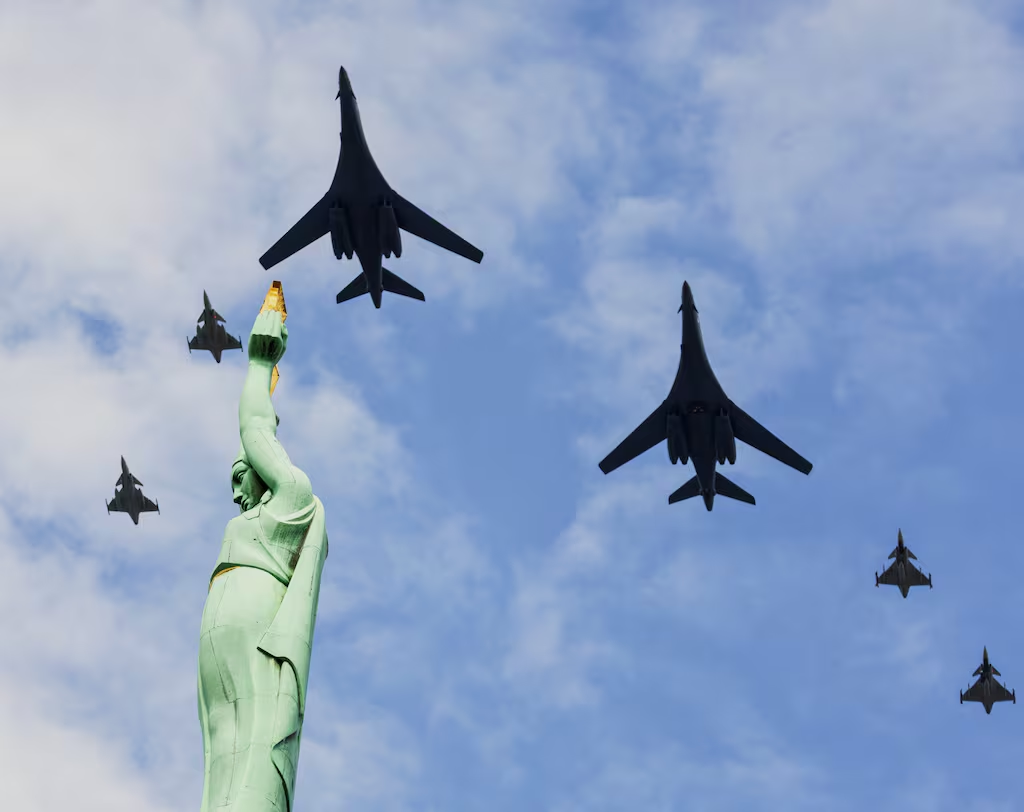
Working extended shifts and tackling complex system overhauls, they pulled off what many in the bomber community viewed as a near miracle.
These maintenance warriors replaced more than 500 components, retooled internal systems, and repaired structural elements to make the aircraft mission-capable again.
Steven Mooy, the 567th AMXS master scheduler, praised the blood, sweat, and resolve poured into the project.
“The maintainers of the 567th support our warfighters at unprecedented levels,” Mooy said. “They overcome so many obstacles and work together to accomplish repairs that nobody else in the bomber community could do.”
His words underscore the way these men and women operate — quietly, expertly, and with relentless commitment to their country’s combat edge.
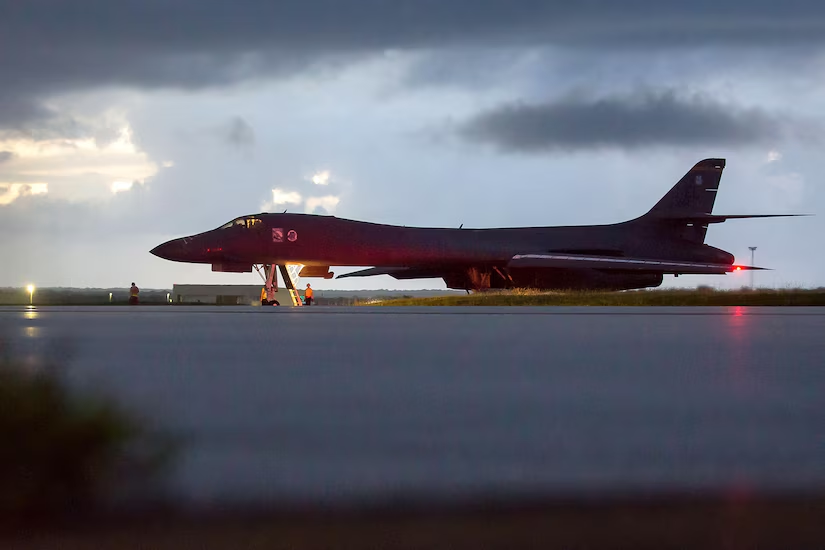
To validate the B-1’s restoration, the 10th Flight Test Squadron carried out test flights over Oklahoma. The aircraft soared through the skies in a stripped-down, bare-metal configuration, every rivet exposed, every sound recorded for performance checks.
The bird was unpainted not for looks but for precision — allowing every system to be tested before new coatings were applied.
Only after passing every grueling trial did the B-1 make its way to the paint facility, the final stop in a process that tested both human patience and engineering skill.
There, three rotating teams labored to restore the Lancer’s signature stealth markings and tactical gray finish, prepping it for full operational return. Once complete, the aircraft was declared combat ready and fully mission capable.
For Tinker B-1 Systems Program Office Technical Analyst Jason Justice, this revival carried deep personal meaning. A retired airman with a 32-year history with the Lancer, Justice had helped send this very jet into retirement in 2021.
“I’ve been on this jet for 32 years,” he said. “To see it come back and still support the warfighter is a great feeling.” It’s the kind of statement that speaks to a culture of pride and endurance that defines America’s airpower legacy.
On April 22, freshly painted and bearing new nose art, the B-1 officially departed Tinker and returned to Dyess Air Force Base — a triumphant flight that symbolized more than just the return of a bomber.
It marked the continuation of the Air Force’s ongoing effort to balance modernization with preservation — blending new technology with the unmatched tactical range of proven hardware.

As the Air Force modernizes its bomber fleet, including introducing the B-21 Raider into service, legacy aircraft like the B-1B Lancer continue to play a vital role. They bridge the gap between generations of air combat capabilities and ensure the U.S. maintains a ready, reliable strike force.
The Lancer’s ability to carry a heavy payload over long distances and deliver precision firepower gives American commanders in every theater a vital option that newer platforms still work to equal.
What makes this particular resurrection significant is the context: amid global instability and saber-rattling from adversaries, America’s ability to bring old warhorses back to life demonstrates not just technical prowess but strategic prudence.
When rivals are pushing propaganda about the supposed “decline” of U.S. power, moments like this prove the opposite — America’s arsenal doesn’t rust, it roars back stronger than ever.
This success story is also a victory for the partnerships between the military and civilian workforce that embody President Trump’s “rebuild American strength” spirit and align with Secretary of War Pete Hegseth’s vision of a fighting force that prizes readiness, repair, and resilience.
The technicians, schedulers, and flight crews who gave the B-1 new life didn’t do it for headlines; they did it because American warriors deserve the best hardware on Earth.
The B-1’s saga from the dusty rows of the Arizona desert to once again flying combat missions from Dyess Air Force Base shows exactly what happens when skill, patriotism, and perseverance meet purpose.
At a time when too many in Washington debate budgets and optics, the warfighters and maintainers quietly get the real work done — keeping America’s skies lethal, unstoppable, and free.
Join the Discussion
COMMENTS POLICY: We have no tolerance for messages of violence, racism, vulgarity, obscenity or other such discourteous behavior. Thank you for contributing to a respectful and useful online dialogue.