The U.S. Navy’s never-ending saga of delays with its Ford-class aircraft carriers just got longer.
The USS Doris Miller, the fourth carrier in the series meant to represent the future of naval power, is now officially running two years behind schedule. Instead of arriving in 2032, the carrier won’t hit the fleet until February 2034.
The reason? A familiar blend of supply chain setbacks and construction bottlenecks at Newport News Shipbuilding in Virginia.
According to the Navy’s own fiscal 2027 shipbuilding plan, space limitations at the Huntington Ingalls shipyard are slowing things down.
The primary culprit is not the Miller itself, but the ship ahead of it — the USS Enterprise, CVN-80, which has run into its own wave of snags. Because the Enterprise is occupying the only available final assembly area accessible by the shipyard’s heavy-lift crane, the Doris Miller’s start date got kicked down the line once again.
“The primary schedule driver for CVN-81 is the lack of available shipyard construction space for large assemblies due to delays on CVN-80,” a Navy official admitted.
In plain English, one ship is stuck behind another that’s already late, and the ripple effect is now costing the nation more time and resources.
The Enterprise’s own delivery date was originally July 2030. That’s now been pushed nearly a year to March 2031 because of a “delay in critical path construction required for launch of the ship,” as Navy budget documents spell out. Apparently, even critical equipment showed up late — a recurring theme across multiple Ford-class builds.

A spokesperson for Newport News Shipbuilding explained it this way: “CVN-80 construction delays result from late arrival of large, sequence-critical equipment that hindered the initial structural build of the ship in the dry dock. All of the delayed critical material has since arrived.”
That’s bureaucratic-speak for: the parts got here late, and now the entire Navy is waiting.
The Doris Miller’s construction is expected to finally begin later this year, assuming no new roadblocks appear. But considering the Ford-class’s track record, few in uniform are holding their breath.
In fact, even earlier Navy budget estimates from 2025 already flagged “supply chain issues” that initially delayed the Miller’s milestones from 2029 to 2030.
Both the Enterprise and Doris Miller were purchased together in 2019 as part of a combined two-ship deal. The goal was to save money and shorten construction timelines.
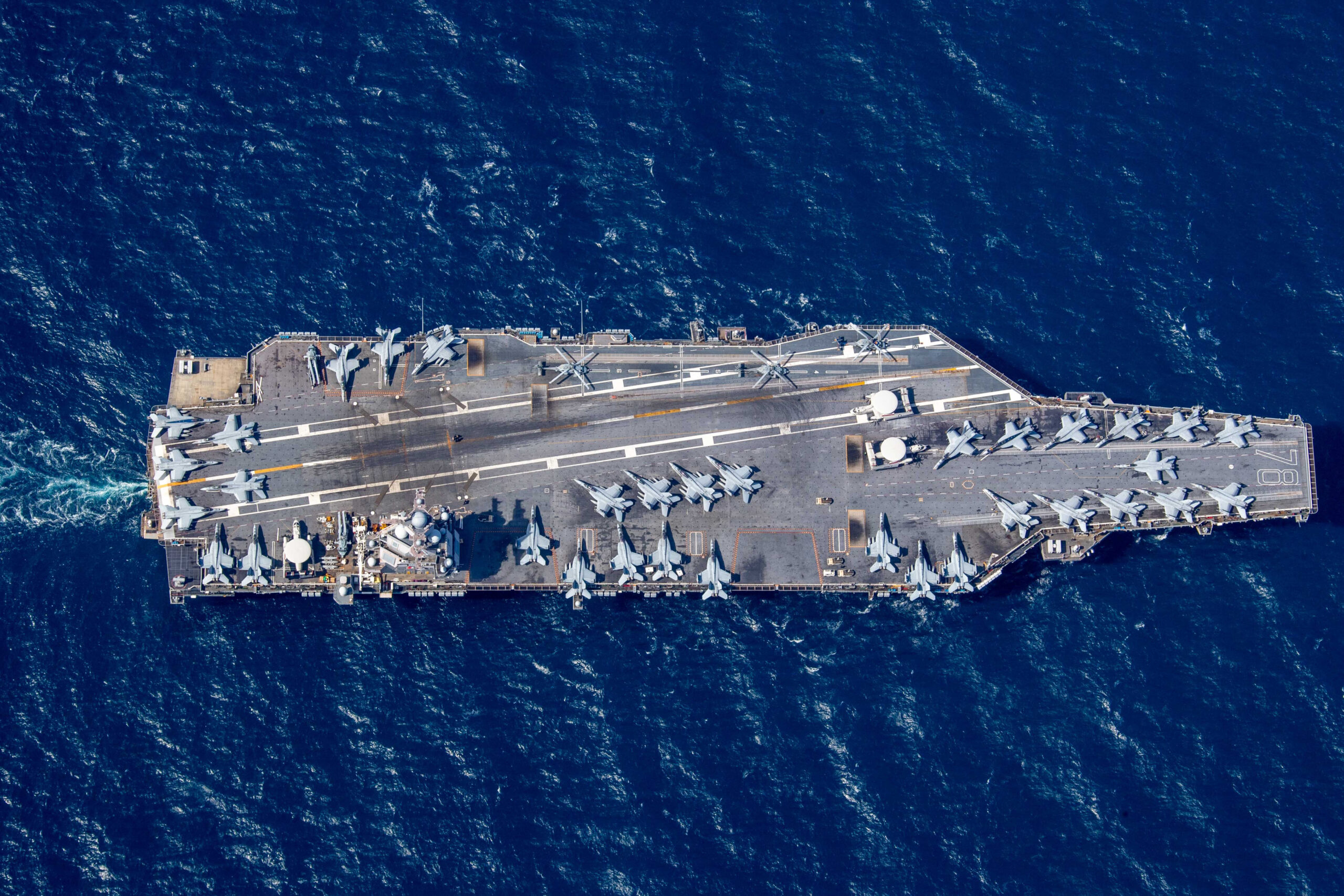
Yet, according to the current plan, it will now take 12 years to complete the Enterprise and an astonishing 15 years to deliver the Doris Miller. That’s not exactly an endorsement of the efficiency of the two-ship approach.
And this isn’t just a Doris Miller problem. The entire Ford-class project has been plagued by developmental and manufacturing headaches since day one.
The second ship, USS John F. Kennedy, originally slated for July 2025, is now pushed back to March 2027. The holdup there? Completion of its Advanced Arresting Gear certification and continuing struggles with the Advanced Weapons Elevators — the same cutting-edge systems that once delayed the lead ship, USS Gerald R. Ford, for years.
The Ford itself, after massive overruns and breakdowns in both nuclear propulsion and weapons systems, finally deployed — years behind schedule — but only after becoming a case study in how overpromising and underdelivering can cripple even the world’s most advanced navy.
Former Navy Secretary John Phelan admitted publicly in April that the service was now reviewing the cost-effectiveness of future Ford-class carriers, including the USS William J. Clinton and USS George W. Bush, to “make sure that they make sense.”
That sort of language suggests that even the brass knows these ships have turned into runaway spending projects.
The irony here is rich. At a time when America’s adversaries are ramping up ship production at lightning speed, the U.S. Navy is still bogged down in decade-and-a-half build times for a single carrier.
China launches entire fleets while the Navy is still untangling construction space “constraints.”
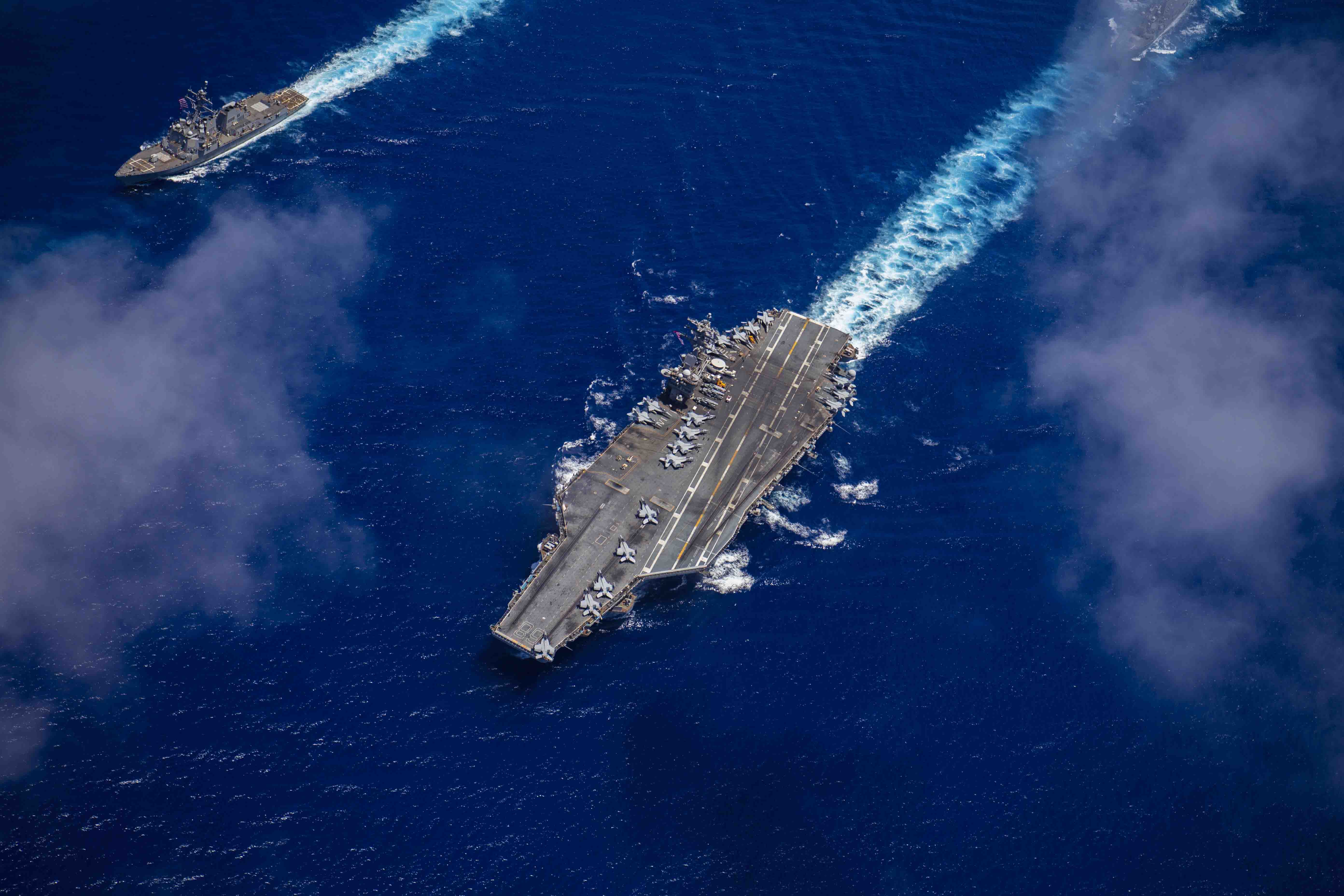
This kind of delay is not merely a budget issue — it’s a national security issue. A stretched-thin fleet can’t meet global demands, and the longer these delays drag on, the weaker America’s naval deterrence becomes.
It’s no wonder leaders like War Secretary Pete Hegseth have pushed for overhauling bureaucratic inefficiency and bringing more accountability to the War Department’s contracting process.
Every extra month in delay isn’t just time — it’s billions of taxpayer dollars wrapped up in red tape, parked under cranes in Virginia.
America’s sailors deserve ships that work and arrive on time, not another costly case study in how defense procurement turned into a swamp of delay and excuses.
Unless the Navy gets serious about cutting through its own gridlock, the USS Doris Miller will be stuck as another cautionary tale in a long line of delayed dreams and bloated budgets.
The fleet can’t deter enemies on paper plans. It takes real steel in the water — and right now, that steel is sitting in drydock.
Join the Discussion
COMMENTS POLICY: We have no tolerance for messages of violence, racism, vulgarity, obscenity or other such discourteous behavior. Thank you for contributing to a respectful and useful online dialogue.