The Air Force’s workhorse of modern warfare, the MQ-9 Reaper, was hailed as the “most valuable player” in the United States’ air campaign against Iran, even as lawmakers grilled top brass over why unmanned systems are still starved for funding.
The congressional testimony revealed the Air Force’s growing reliance on uncrewed platforms—but also its contradictory budget priorities that still favor traditional fighters over combat-proven drones.
Appearing before the House Armed Services Committee on May 20, Acting Secretary of the Air Force Troy Meink and Air Force Chief of Staff Gen. Kenneth Wilsbach testified that unmanned aircraft are increasingly central to the service’s operational and strategic missions.
Wilsbach called out the MQ-9’s performance in “Operation Epic Fury,” crediting the platform with unmatched endurance and precision that spared American pilots from dangerous skies.
MORE NEWS: Pentagon Confirms First Military Execution in Over 60 Years Will Be Publicly Livestreamed
“Perhaps the most valuable player was unmanned,” Wilsbach said. “No other platform is even close to the MQ‑9.” He wasn’t exaggerating.
The Reaper’s ability to loiter for hours, deliver precise strikes, and operate through contested zones has reshaped air dominance—and saved lives while doing it.
But not everyone in Congress was satisfied. Rep. John Garamendi, a Democrat from California, pointedly noted the gap between the Air Force’s rhetoric and its checkbook.
He challenged the Air Force for talking up autonomous systems while still pouring billions into manned platforms like the F‑35 and the next‑generation F‑47.
“Your budget doesn’t follow that passion,” Garamendi said bluntly, telling Meink to “put your money where your mouth is.”
The FY27 budget allocates $996.5 million for Collaborative Combat Aircraft (CCA) procurement, with an additional $1.37 billion for research and development—a respectable number but dwarfed by the $7.4 billion requested for F‑35s and $5 billion for F‑47s.
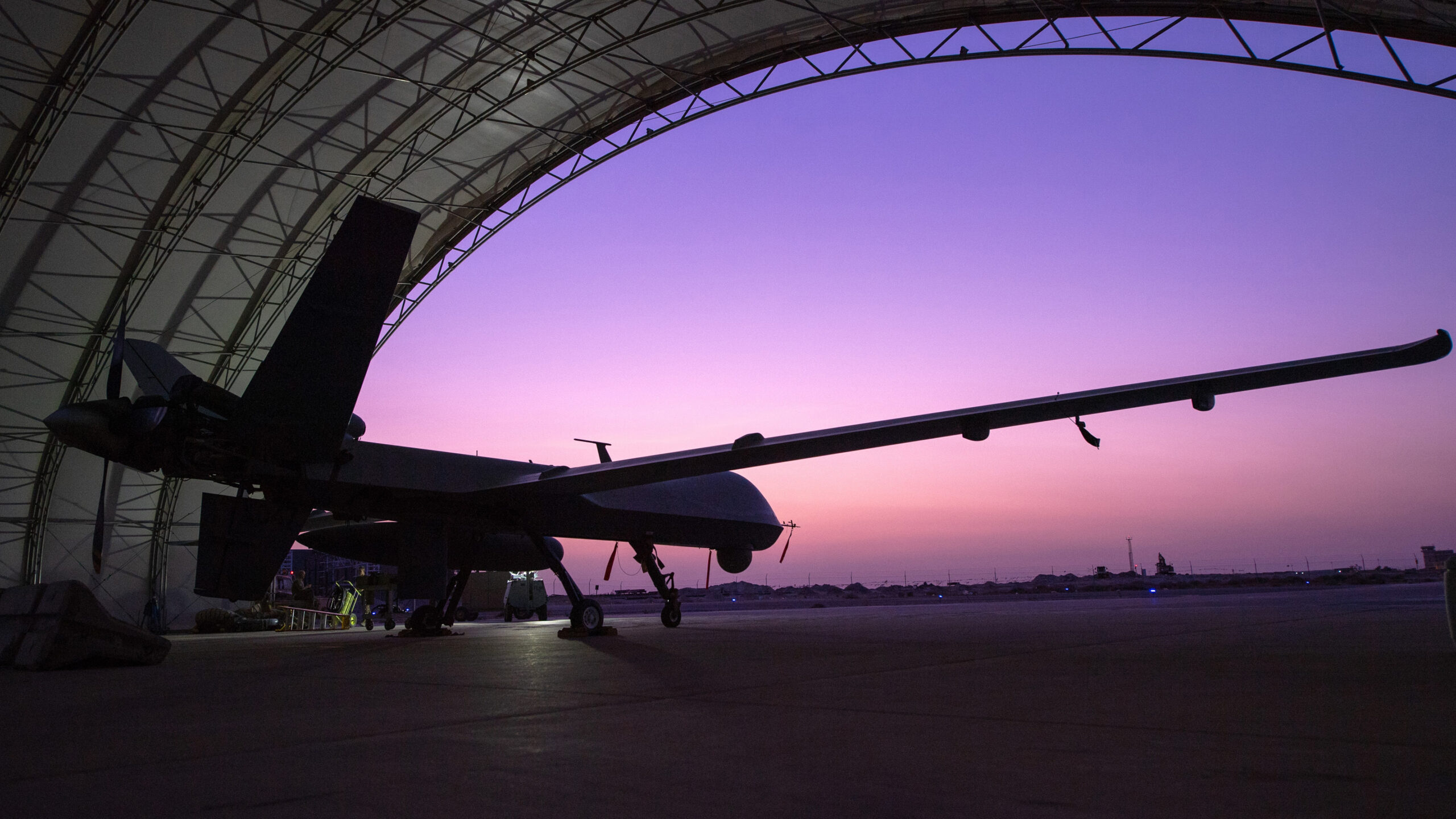
That imbalance makes the Air Force’s supposed commitment to the unmanned future sound more aspirational than operational.
Ironically, while the Air Force plans for tomorrow, its current unmanned fleet is shrinking fast.
The number of MQ‑9s has fallen to around 135 after losing 24 Reapers in combat during Epic Fury—a testament to both the Reaper’s extensive use and the very real dangers of modern air defenses. Those losses alone represent up to $1.2 billion in destroyed airframes, more than the entire annual CCA procurement fund.
Maj. Gen. Christopher Niemi told a Senate panel that a single fully equipped MQ‑9 can cost as much as $50 million.
Multiply that by 24 downed aircraft, and you’re looking at a billion‑dollar lesson in why America needs cheaper, more disposable airframes if it plans to keep pace in future conflicts.
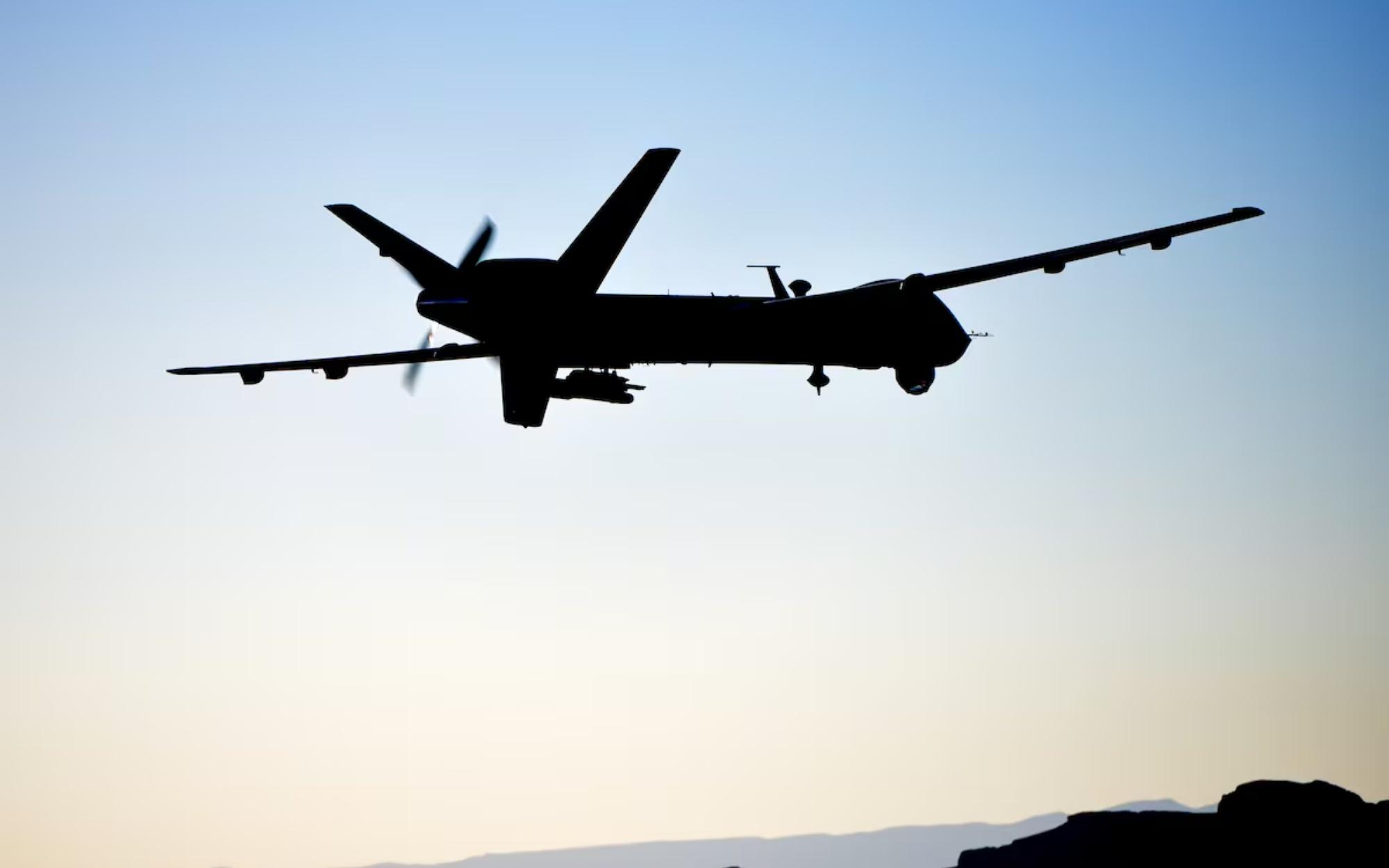
Unfortunately, replacing those Reapers won’t be easy. General Atomics, the company behind the MQ‑9, shut down its production line in 2025 after the Air Force said it was done buying the platform. With fewer than ten new or company‑owned MQ‑9s left, the Air Force faces a serious shortfall that could take years to fill.
A replacement is on the drawing board. Niemi signed a requirements document on May 11 that will guide development for the MQ‑9’s successor.
The next‑gen platform is expected to be modular, easy to mass produce, and attritable—a fancy way of saying affordable enough to risk and replace. It’s the right idea, even if the Pentagon’s bureaucracy may move slower than the enemy’s missiles.
Meink assured lawmakers that the Air Force has no plans to divest its Reapers.
“We have had some losses in that aircraft, and we’re working to fill those losses,” he said. But he confirmed that the follow‑on system will likely involve several platforms working together. That aligns with the collaborative combat vision: manned fighters flying alongside swarms of autonomous wingmen operating with lethal efficiency.

Still, the Air Force’s track record with modernization does not inspire confidence. For years, the service has divested older aircraft faster than it has replaced them, banking on the promise of next‑generation tech that often arrives late and over budget.
The FY27 proposal is the first in years to fund readiness and modernization simultaneously, with a 34 percent increase in readiness spending and a 27 percent boost for R&D.
It’s an ambitious start—but as lawmakers made clear, ambition without accountability means little. The MQ‑9 Reaper earned its “MVP” title the hard way, keeping American forces dominant in hostile skies while politicians bickered over funding tables. If Washington truly wants to secure America’s air advantage, unmanned systems can no longer be an afterthought.
Under President Trump’s leadership and Secretary of War Pete Hegseth’s vision for a stronger, modernized War Department, there’s new hope that the United States will finally stop playing catch‑up with rivals like China and Iran.
The transition from manned to mixed operations isn’t just strategic—it’s existential.
The future battlefield won’t wait for bureaucrats to sign off on spreadsheets. The question before Congress isn’t whether unmanned systems are the future.
It’s whether the Air Force will actually fund the future it keeps praising.
Join the Discussion
COMMENTS POLICY: We have no tolerance for messages of violence, racism, vulgarity, obscenity or other such discourteous behavior. Thank you for contributing to a respectful and useful online dialogue.