As American drones powered by Elon Musk’s Starlink network helped hammer Iranian targets, a new front quietly opened—this time between SpaceX and the Pentagon itself.
Inside closed doors, the fight wasn’t about strategy or tactics but about the bill.
Sources familiar with the dispute say SpaceX executives confronted U.S. officials with a blunt message: pay up. For months, the Pentagon had been paying about $5,000 per Starlink connection on LUCAS suicide drones.
SpaceX argued that because these systems used a high-end aviation service, the fair rate was closer to $25,000 per link. That’s a 400% increase, and right in the middle of a war no less.
MORE NEWS: Pentagon Confirms First Military Execution in Over 60 Years Will Be Publicly Livestreamed
The Pentagon viewed it differently. Officials argued that kamikaze drones used the network for minutes or hours before self-destruction—not exactly the kind of “airborne service” designed for long-term aircraft missions.
Still, with strikes on Iran ramping up, the Pentagon caved and agreed to the higher rate, nearly doubling the total cost of each drone. For all its talk about efficiency, bureaucracy folded at the first sign of Silicon Valley pricing.
The feud didn’t stop there. Washington had also been negotiating with SpaceX over a separate plan to help Iranian citizens bypass Tehran’s internet blackouts using direct-to-cell Starlink access.
That plan would act like 5G service from orbit. But SpaceX’s proposed fees—up to $500 million to activate it and $100 million a month to maintain it—set off alarms in the War Department. Even in wartime, the watchdogs balked.
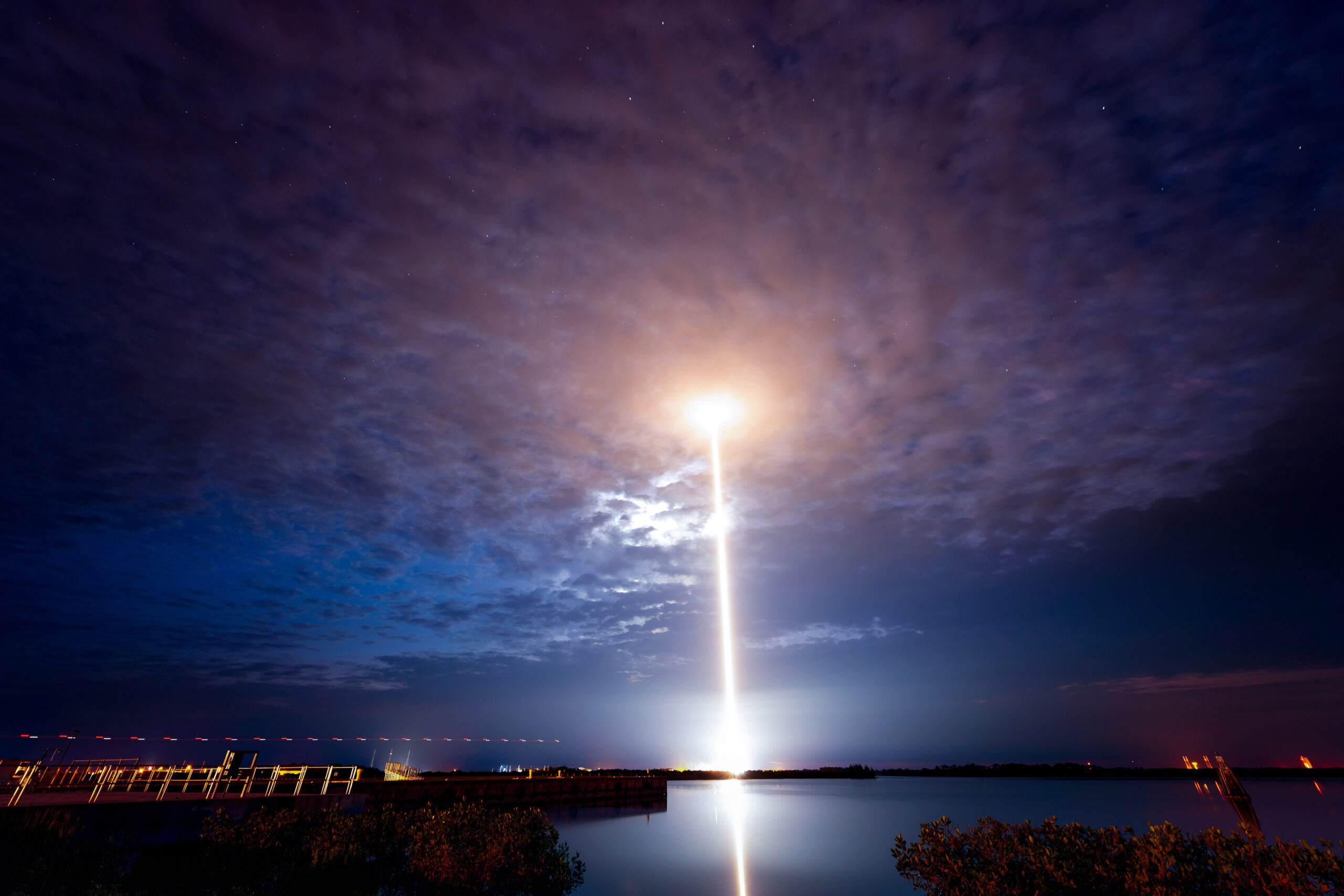
SpaceX’s leverage comes from its dominance in orbit. With some 10,000 satellites in its Starlink constellation, the company now controls more than 60% of all satellites circling Earth.
The Pentagon’s reliance on this network isn’t just technical—it’s strategic and operational. Starlink provides the backbone for communications, targeting, and surveillance in regions long beyond the reach of traditional networks.
Those same strengths make it a liability. The Ukraine war was the first sign when Musk briefly shut off Starlink access during a major Ukrainian counteroffensive in 2022, causing tactical disruption.
U.S. Navy testing was later hampered in 2023 after a Starlink outage left unmanned sea vessels adrift. Now, as the flames of conflict spread across the Middle East, the reality is clear—the Pentagon depends on Musk’s company more than Musk depends on the Pentagon.
SpaceX’s position is unique. Traditional defense contractors live or die by federal contracts, but Musk’s empire thrives across commercial sectors too—launch vehicles, Starlink service, AI ventures, and soon, an enormous IPO.
It’s no wonder one analyst told Reuters that SpaceX “has the U.S. government over the barrel.” That’s not an exaggeration—it’s a warning.
Tensions grew after the first week of bombings on Iran. A user posted an image online of a LUCAS drone that “appears to have an integrated Starlink terminal.”
Musk himself responded on X, pointing out that it violated Starlink’s civilian service terms and clarifying that “Starshield,” a separate network, was the proper system for military use. Days later, SpaceX executives were in meetings with Pentagon officials pressing for higher rates again.
By early spring, Pentagon documents showed that even skeptics inside—including Deputy Secretary of War Steve Feinberg—were uneasy. But the Department pressed forward, eyeing a massive deal for 3,500 additional Starshield terminals, 100 of them with top-tier aviation access.
That could bring SpaceX hundreds of millions in added revenue every year. What should have been a short-term battlefield tool is rapidly becoming an institutional dependency.
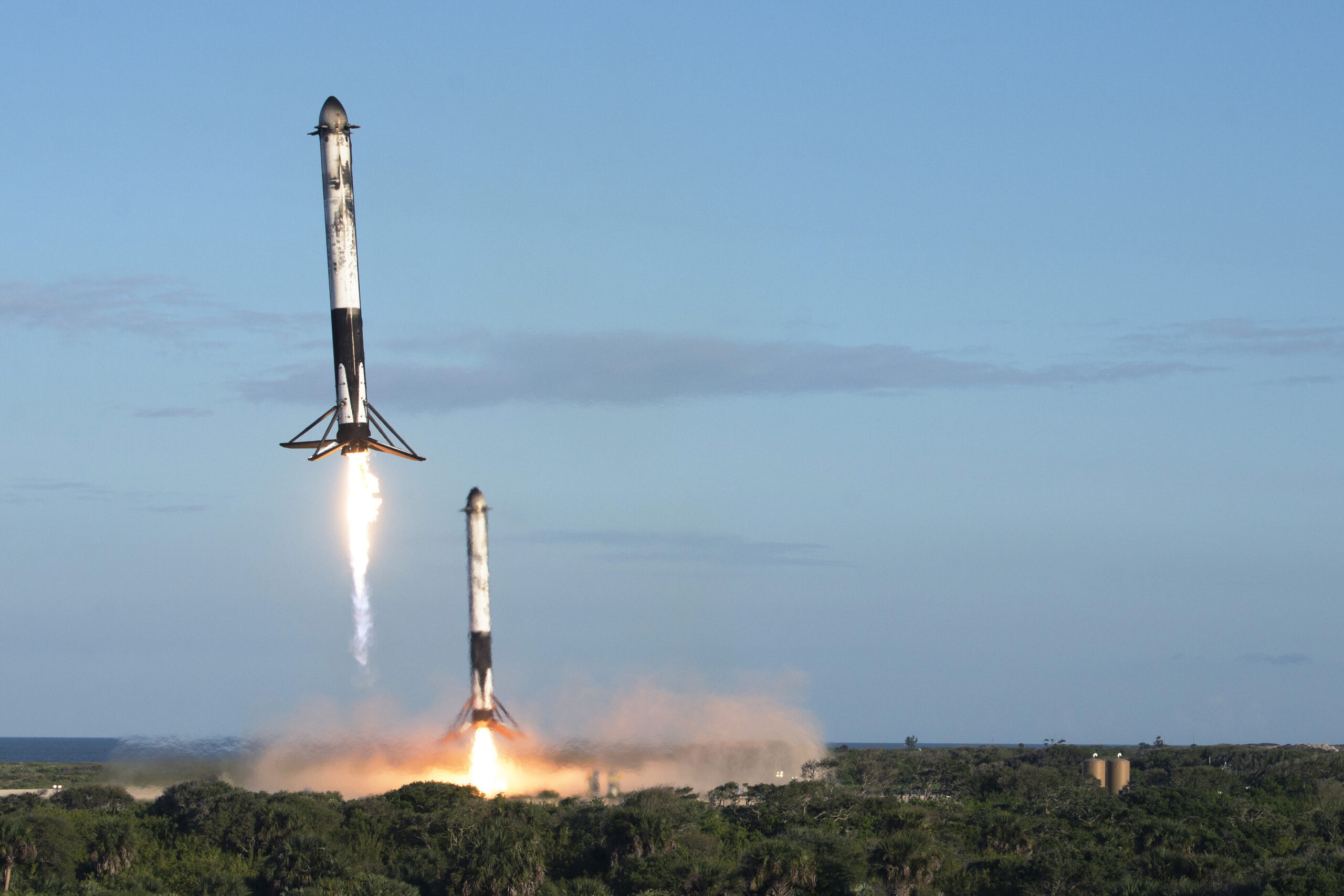
When the Trump administration smuggled in thousands of Starlink terminals after Iran’s January crackdown to help protesters get back online, it proved the system’s value for freedom.
But freedom isn’t cheap when dealing with Musk’s interplanetary titans. Tehran confiscated terminals, deployed jammers, and forced the Pentagon to discuss next-step capabilities. Hence the push toward Starlink direct-to-cell service that skips ground hardware—another concept with a huge price tag attached.
Meanwhile, both Musk and Pentagon spokespersons publicly denied major aspects of Reuters’ reporting. Musk called the pricing reports “false” and accused some within his company of mismanaging service restrictions.
Pentagon spokesman Sean Parnell defended SpaceX as a “strong and valued partner,” but stopped short of disputing the agency’s reliance on Starlink. The bureaucrats may grumble, but they’re still signing checks.
The irony here is profound. As President Trump’s team crushes Iranian aggression and Hegseth’s War Department tightens U.S. military posture, the most critical link in our global communications chain hangs not from a government satellite but from Elon Musk’s commercial empire. It’s capitalism meeting combat—and right now, SpaceX holds the stronger hand.
Washington’s next move will determine if this standoff is a hiccup or a full-blown dependency crisis. The American war machine must remain unmatched, but it can’t afford to be held hostage by Silicon Valley contracts.
The War Department needs alternatives fast. And given that Starlink isn’t going away, America’s generals had better start thinking aggressively—like warriors, not accountants.
Are you feeling overwhelmed or hopeless right now? Have you been withdrawing from people or activities you usually enjoy? Are you having thoughts about hurting yourself, or feeling like things will never improve?
You do not have to handle those feelings alone. Support is available, and talking to someone can make a difference. You can reach out to the 988 Suicide & Crisis Lifeline by calling or texting 988, or by chatting online at 988lifeline.org. Trained counselors are available 24 hours a day to listen and help.
If you believe someone is in immediate danger, call emergency services right away. Even a small step, like reaching out to a trusted friend, family member, or professional, can help create a path forward.
Join the Discussion
COMMENTS POLICY: We have no tolerance for messages of violence, racism, vulgarity, obscenity or other such discourteous behavior. Thank you for contributing to a respectful and useful online dialogue.