Some senators are sounding the alarm that the War Department’s policies aren’t keeping up with the rapid development of autonomous weapons technology, a gap that could leave America trailing adversaries like China and Iran on the cutting edge of modern warfare.
During a Senate Subcommittee on Emerging Threats and Capabilities hearing this week, Sen. Joni Ernst, R-Iowa, didn’t mince words about the policy lag.
“The policy architecture really has to scale with it,” she said, referring to the massive expansion of autonomous warfare programs.
“And this is where we probably lag behind.”
MORE NEWS: Pentagon Confirms First Military Execution in Over 60 Years Will Be Publicly Livestreamed
Ernst’s warning comes as the Trump administration seeks a dramatic $55 billion for the Defense Autonomous Working Group (DAWG) in the fiscal 2027 budget, skyrocketing from just $225 million this year.
The boost signals a clear message from the White House and Secretary of War Pete Hegseth: autonomy is the future of American warfighting, and the U.S. cannot afford to play catch-up.
DAWG’s mission is straightforward but monumental — developing the next generation of unmanned vehicles and autonomous weapons that can dominate the skies, seas, and battlefields.
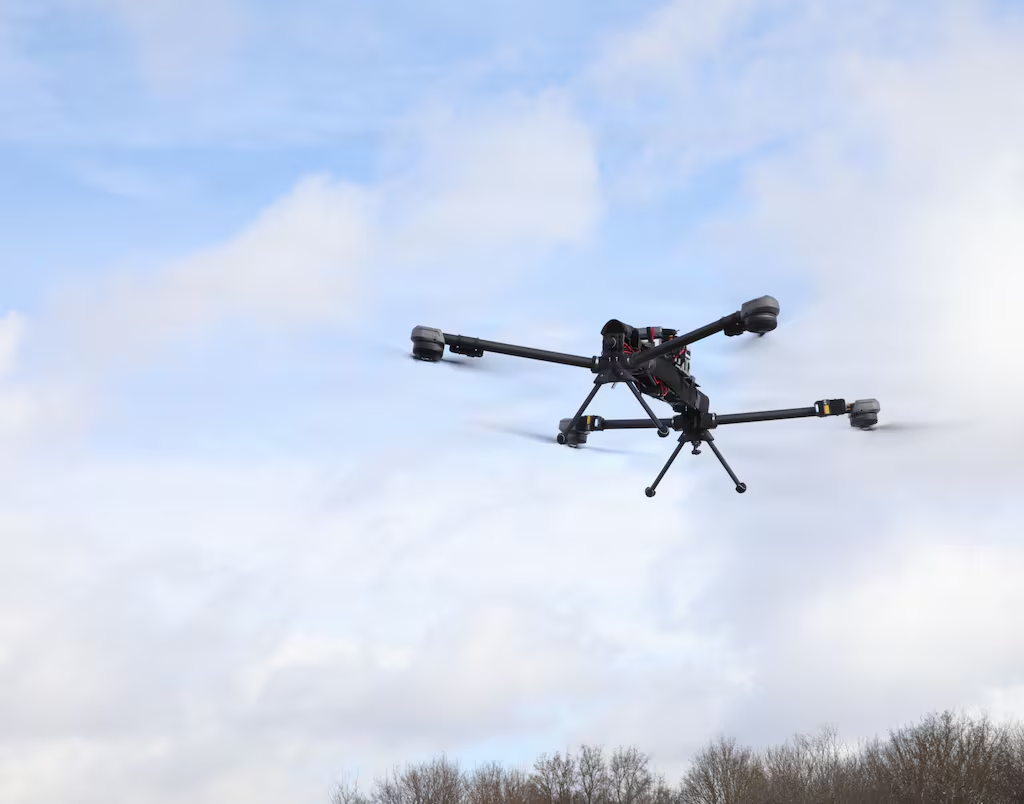
With drones reshaping warfare in Ukraine and Iran continuing its drone harassment in the Persian Gulf, the need for decisive investment is undeniable.
But Ernst’s concern isn’t the money, it’s the oversight. She warned that the growing marriage between artificial intelligence and lethal targeting decisions could outpace the War Department’s existing policy framework, namely Directive 3000.09, which was updated in 2023.
That directive requires human commanders to maintain control over when and how autonomous and semi-autonomous systems use deadly force.
At the time, policymakers may not have imagined just how quickly AI would integrate into the chain of command.
“We’re integrating the AI-driven targeting with those autonomous munitions at a pace that DoD Directive 3000.09 was not designed to contemplate,” Ernst noted, a bureaucratic understatement that masks an urgent challenge.
Emil Michael, the War Department’s under secretary for research and engineering, agreed that policy needs to be updated to reflect both the changing threat landscape and the explosive growth of AI capabilities.
“Not only because of the capability potential increase,” he said, “but also because of the threat environment, what’s possible by the adversary and partly because of the lessons we learned in Iran.”
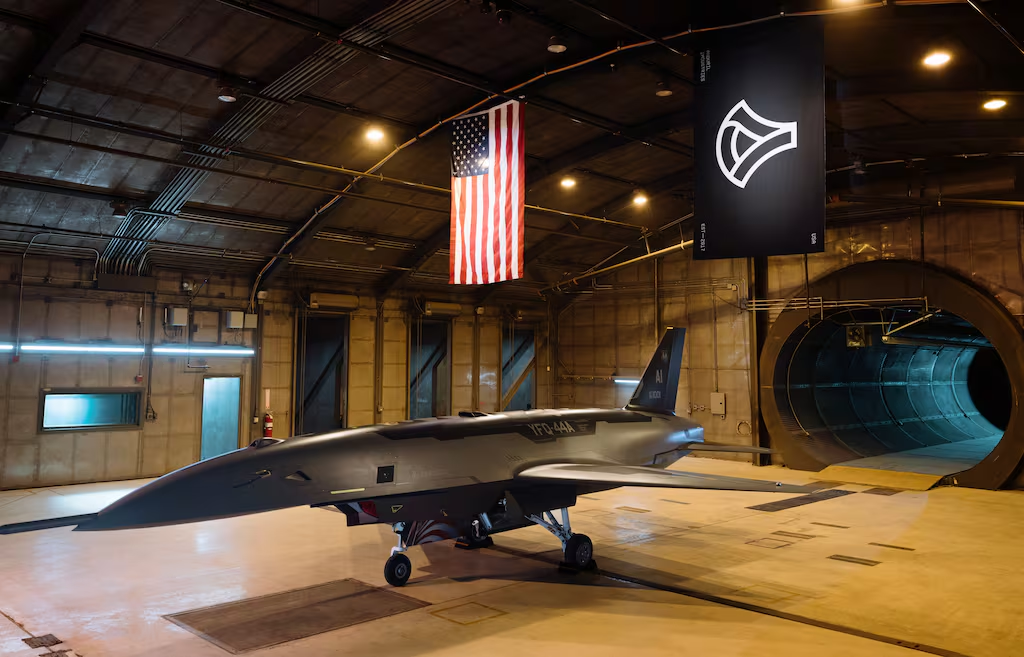
Michael emphasized that autonomy isn’t limited to weapon systems, it’s now embedded across every layer of U.S. defense technology.
From underwater mine clearing to space-based intercepts aimed at stopping China’s hypersonic missiles, AI and autonomy are becoming the backbone of America’s military edge. “There are going to be different risk levels with autonomous,” he said.
“And we have to account for them in our policies. My belief is that this will change more frequently than it has in the past.”
The challenge isn’t just technical, it’s political. While conservatives like Ernst focus on practical readiness and keeping pace with evolving threats, Democrats like Sen. Elissa Slotkin, D-Mich., are echoing Cold War-era anxieties over control and moral constraints.
Slotkin compared today’s AI race to the Manhattan Project, noting that while atomic research was government-led, AI and drones are largely being built in the private sector.
![Arctic Front Flares Up: FPV Drones Redefine Arctic Warfare After Ukraine [WATCH]](https://www.commondef.com/wp-content/uploads/2026/03/2026.03.14-03.45-commondefense-69b58297e6199.avif)
“I do not believe that a private-sector company should get to decide what the rules are,” Slotkin said. She called for Congress to “provide left and right limits”, Washington-speak for putting bureaucrats back in control of what technology patriots in the field can use.
Trump’s War Department is clearly willing to think bigger and move faster, recognizing that American adversaries aren’t waiting for committee hearings and think tank debates.
China’s military-industrial complex and Iran’s drone networks are state-driven and execution-focused. The United States can’t afford paralysis through paperwork.
Ernst’s call for modernization isn’t about fear of machines taking over, it’s about preventing Washington from tying its own hands while hostile nations sprint ahead.
When AI-controlled drones are targeting U.S. troops in the Persian Gulf, Americans need systems that can think faster, fly farther, and strike harder than the enemy.
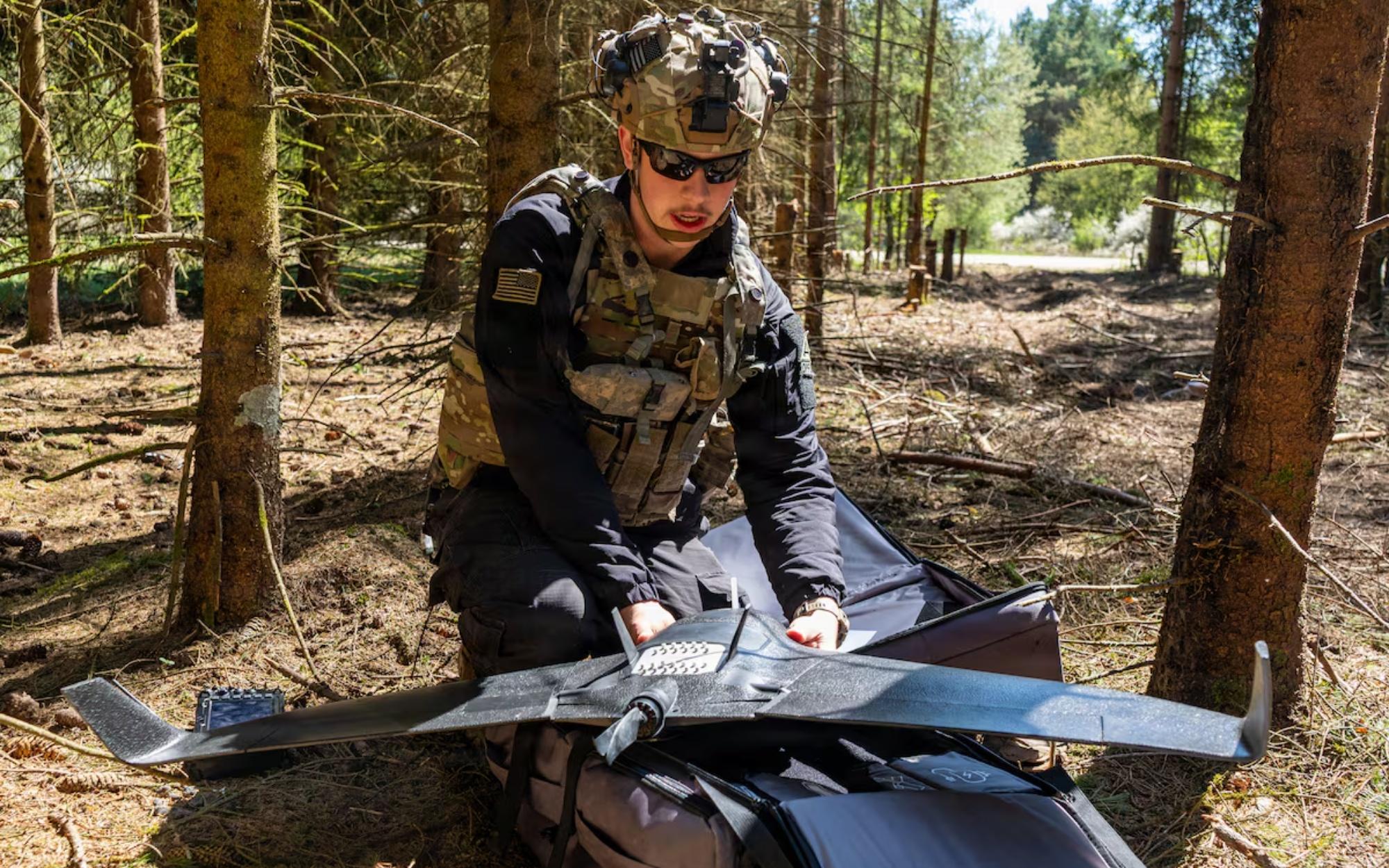
The conversation reflects a broader shift in military thinking spearheaded by President Trump and War Secretary Hegseth: outpacing bureaucratic stagnation and rebuilding American dominance through strength and innovation.
The United States cannot deter peer threats with outdated tech or timid policy guidelines. The future of warfare will be automated, intelligent, and relentless.
Washington can debate ethics all day, but the battlefield won’t wait. As Ernst and Michael warned, the War Department’s policy manual must evolve as rapidly as the machines now ready to fight under America’s flag.
The choice is clear — accelerate policy reform to match the momentum of autonomy, or risk watching our enemies master the machines first.
Join the Discussion
COMMENTS POLICY: We have no tolerance for messages of violence, racism, vulgarity, obscenity or other such discourteous behavior. Thank you for contributing to a respectful and useful online dialogue.