Congress isn’t ready to let the legendary A-10 Warthog fade quietly into history.
House lawmakers have drawn a line in the sand, demanding the Air Force keep the iconic close-air-support jet combat-ready through its official 2030 retirement while laying the groundwork for the next generation of autonomous battlefield aircraft.
The move, part of the 2027 National Defense Authorization Act, came from Rep. Abe Hamadeh of Arizona, who led an en bloc package through the House Armed Services Committee late Thursday night.
The committee passed the entire bill 44-12 after a lengthy markup session that extended into the early hours—proving once again that patriotism doesn’t punch a time clock.
MORE NEWS: Pentagon Confirms First Military Execution in Over 60 Years Will Be Publicly Livestreamed
Hamadeh’s measures keep the A-10 alive and lethal for the foreseeable future.
They instruct the Air Force to ensure training, depot maintenance, spare parts, and contractor support continue to sustain the Warthog’s mission-ready status until its retirement date.
That includes maintaining the jet’s key role in combat search-and-rescue operations—something even the newest F-35 cannot match.
The Air Force had previously ended A-10 depot maintenance at Hill Air Force Base in Utah earlier this year, raising fears among operators that the legendary aircraft would be quietly shelved before its time.
Under Hamadeh’s provision, the service’s “as necessary” clause gives the DoW some flexibility, but Congress’s intent is clear: the A-10 stays mission-capable.
Another key element blocks the Air Force from moving the A-10’s formal training unit until it justifies the move with a cost-benefit analysis and allows a 90-day congressional review.
The 357th Fighter Squadron out of Davis-Monthan Air Force Base—a historic home of the Warthog community—graduated what was expected to be its final training class earlier this year.
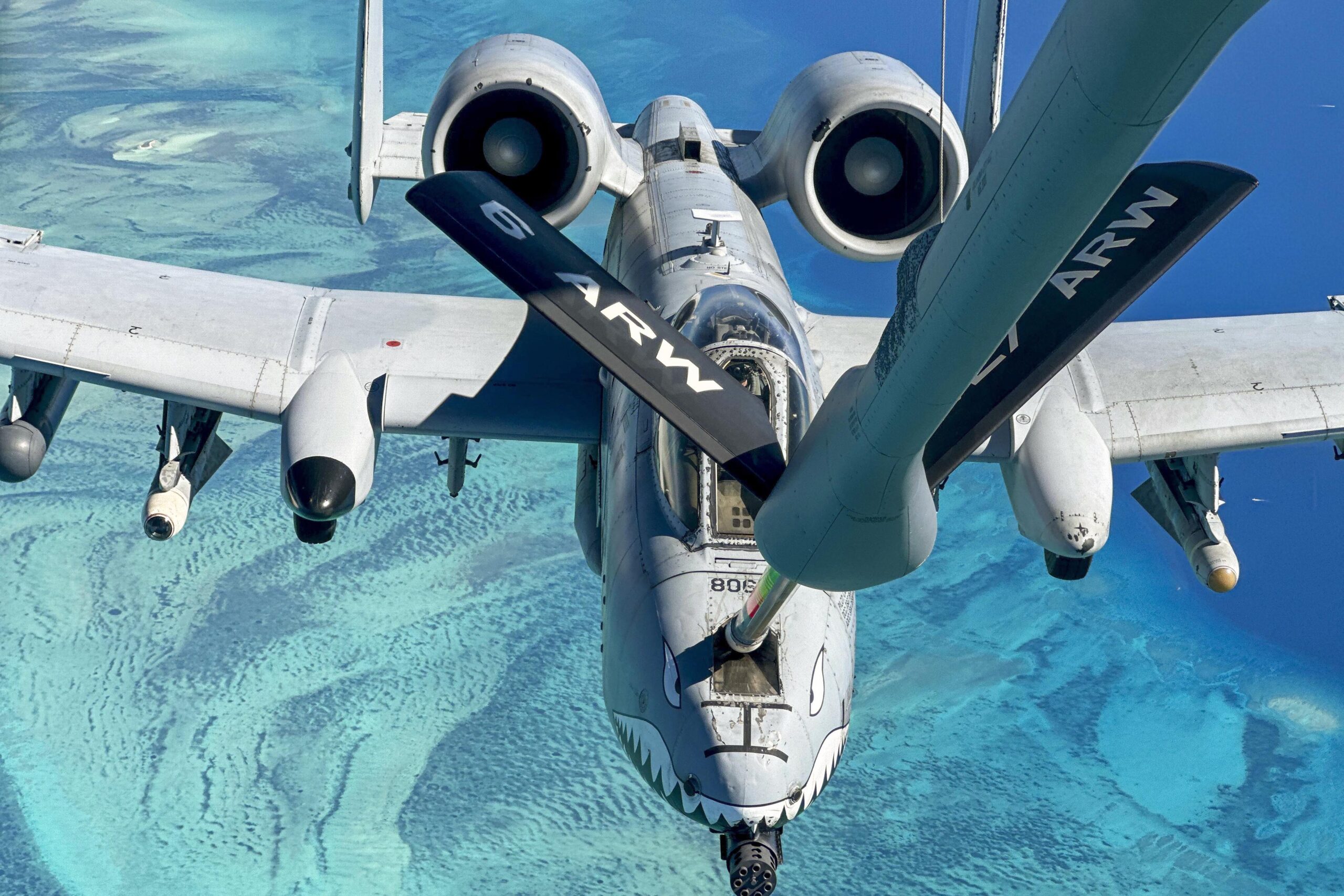
Lawmakers are forcing the service to think twice before closing the door on a program that has trained generations of pilots in the art of close air support.
In addition to protecting the current A-10 fleet, the House panel also looked to preserve its legacy.
One measure directs the Air Force Historical Research Agency to record oral histories and technical details from pilots, maintainers, and joint terminal attack controllers before the Warthog’s story slips into legend.
For an aircraft that saved countless soldiers under fire since Desert Storm, it’s a small recognition of a giant legacy.
But lawmakers aren’t just reminiscing; they’re evolving. Hamadeh’s package also pushes the Air Force to develop a plan to test “autonomous, semi-autonomous, and AI-enabled” aircraft capable of handling future close-air-support missions.
The idea is to use existing A-10 platforms for experimentation, potentially bringing in private defense startups and nontraditional firms to shake up the status quo—something that might make the Air Force brass a bit uncomfortable.
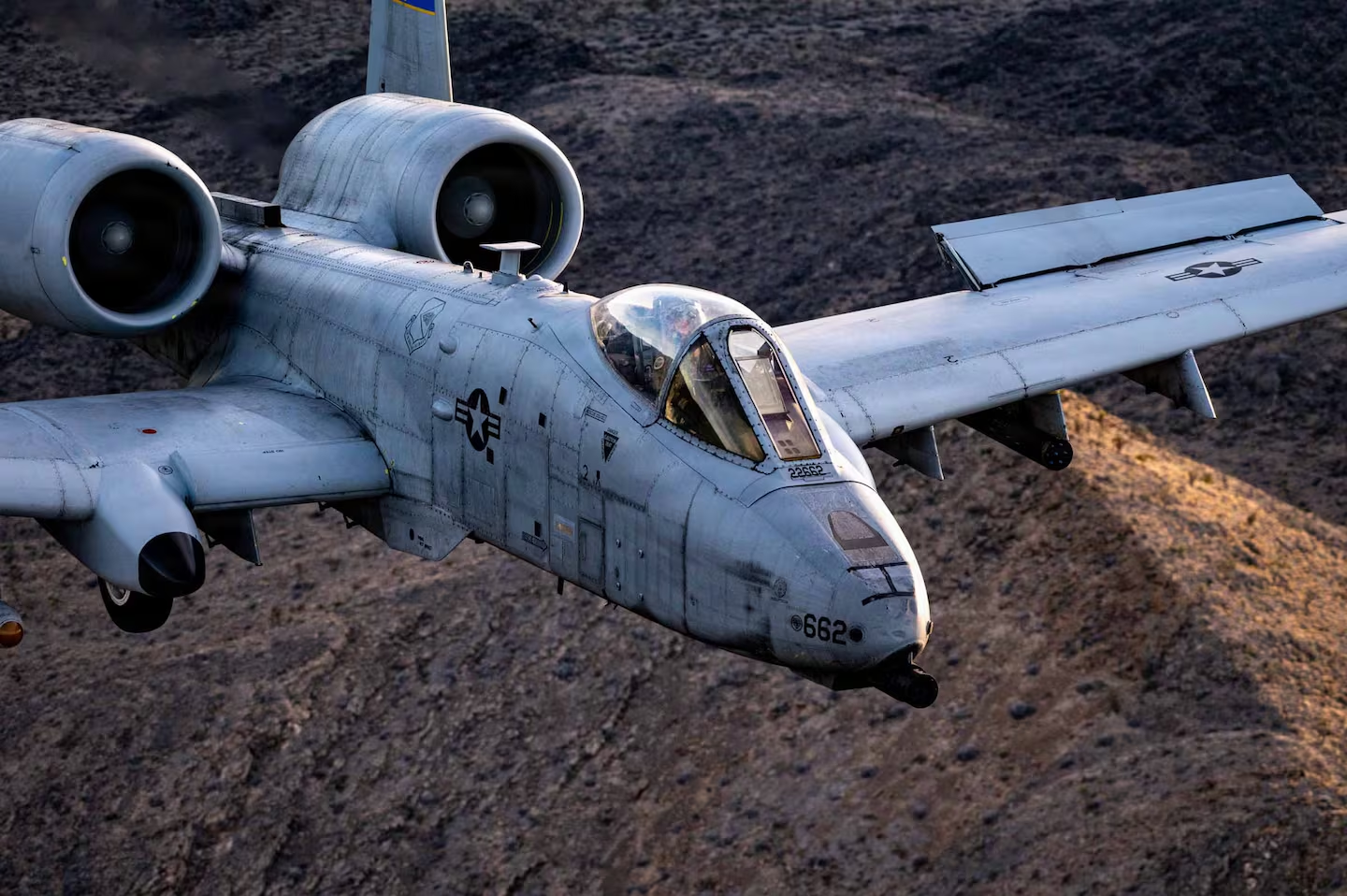
Importantly, the amendment mandates that human oversight stays in the loop. Any autonomy testing must remain under the “meaningful command and control of a qualified military aviator,” with humans maintaining final authority over targeting, weapons release, and mission abort decisions.
In other words, the machines don’t call the shots—real warfighters do.
The Air Force has been searching for years to identify what comes after the A-10, yet today there is no firm successor.
The service’s Collaborative Combat Aircraft program is developing AI “wingmen” to operate alongside manned fighters like the F-35, but no one has stepped forward with a dedicated uncrewed attack jet able to fill the Warthog’s boots.
Congress is signaling they expect that gap filled before the A-10 retires.
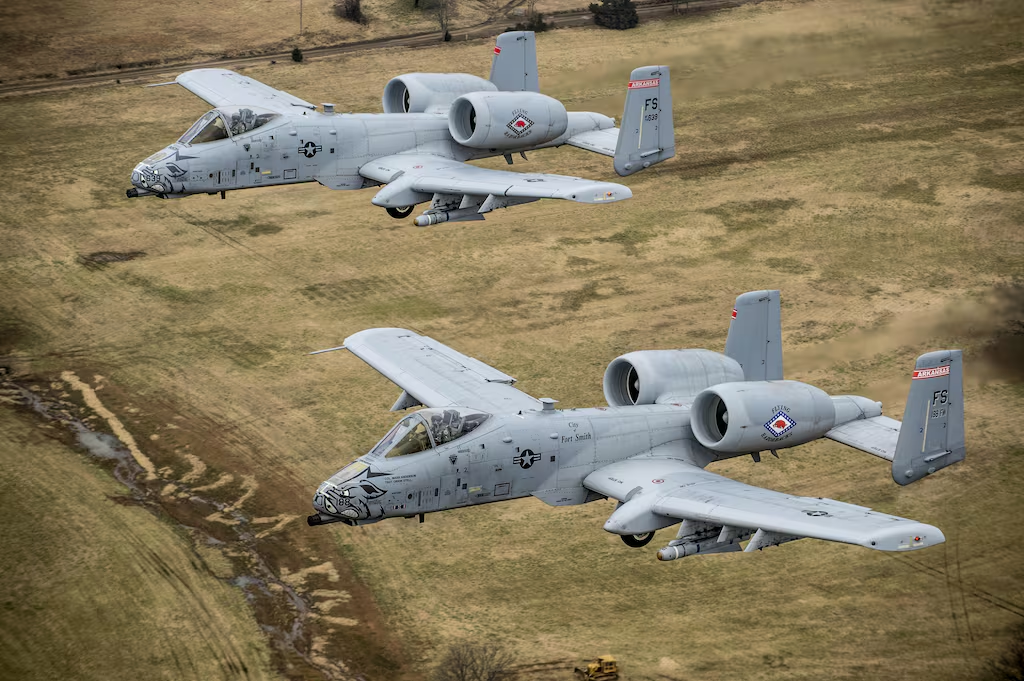
Another Hamadeh provision directs the War Department to issue a detailed report on the A-10’s combat track record—from Desert Storm through recent operations in the Strait of Hormuz and Iran, where it played roles in recovering downed aircrew.
That review would formally document what infantry troops on the ground have always known: when the Warthog shows up, trouble ends fast.
Meanwhile, Rep. John McGuire of Virginia added a separate amendment requiring the Pentagon to consider transferring retired A-10s to other branches, such as the Army or Marines. Many in uniform quietly support the idea. The Army in particular has long wished it had direct control over an aircraft built to protect soldiers in the fight.
Still, the legislation stops short of canceling the Air Force’s retirement plan for the A-10 fleet.
It simply forces the service to sustain its readiness and transfer its hard-earned skills before the fleet fades away. After years of bureaucratic attempts to scrap it, the message from Congress couldn’t be clearer: until something better exists, the Warthog stays in the fight.
In an era where the Pentagon seems focused on digital war games and climate initiatives, lawmakers on the House Armed Services Committee just reminded the country that airpower is about saving troops on the ground, not impressing think tanks.
Join the Discussion
COMMENTS POLICY: We have no tolerance for messages of violence, racism, vulgarity, obscenity or other such discourteous behavior. Thank you for contributing to a respectful and useful online dialogue.