The United States Air Force announced on Monday that it would keep the A-10 Warthog in service through 2030, reversing a retirement timeline set to conclude in 2029.
"In consultation with Secretary of War Pete Hegseth, we will EXTEND the A-10 ‘Warthog’ platform to 2030", Meink wrote. “This preserves combat power as the Defense Industrial Base works to increase combat aircraft production.”
This move comes as A-10s have grown more active in Operation Epic Fury in Iran. The aircraft has provided close air support during maritime operations in the Strait of Hormuz, and they were part of a recent search and rescue mission that recovered two downed F-15E airmen.
One A-10 Thunderbolt II crashed during that mission, and the pilot was subsequently rescued.
MORE NEWS: Pentagon Confirms First Military Execution in Over 60 Years Will Be Publicly Livestreamed
The fiscal 2026 National Defense Authorization Act called for 103 A-10s to remain in service through September 2026, with a transition to full retirement by 2029. It remains unclear how many A-10s will remain in service through 2030.
Meink thanked President Donald Trump for “quick, decisive leadership” and said “more to come.” The decision reflects a broader strategy to keep proven ground-support platforms in the air while a robust industrial base ramps up production of newer aircraft.
At the same time, it aligns with a political approach that emphasizes readiness, deterrence, and American manufacturing strength.
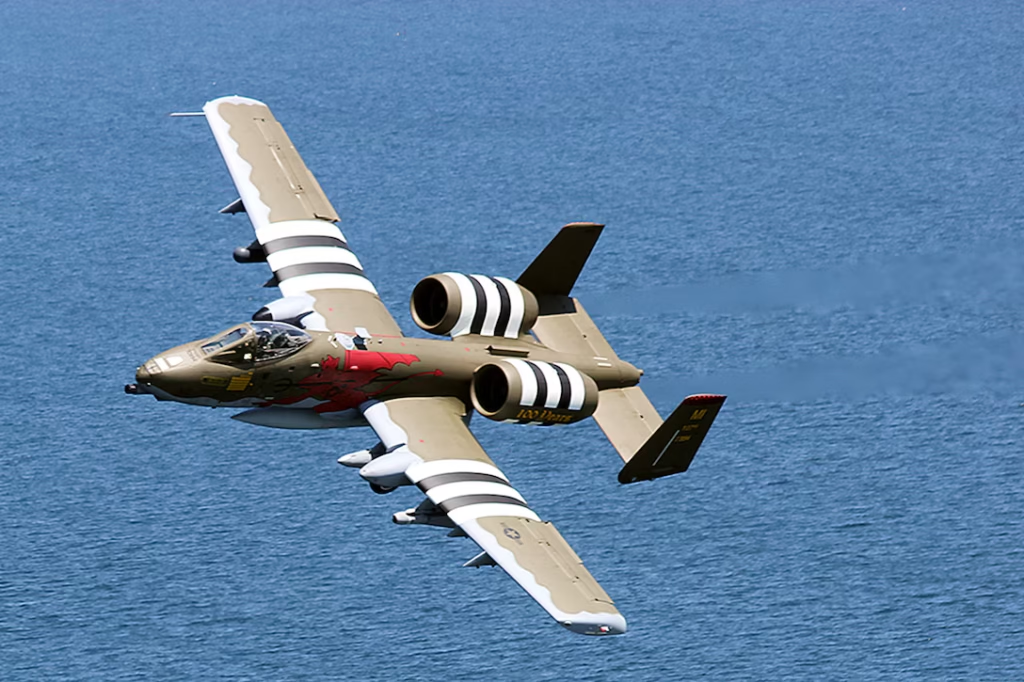
Because the A-10 has long been a fixture of close air support, the extended service life sends a clear message about prioritizing battlefield experience and logistical resilience.
Support for extending the Warthog also underscores the administration’s view that strong civilian-military leadership can deliver timely results. Therefore, keeping the Warthog in the air helps preserve trained pilots and maintenance crews who know this aircraft inside and out.
The move is described as prudent financial planning as suppliers scale up capacity, because keeping the fleet current without a rushed replacement plan reduces risk to ongoing missions and future operations.
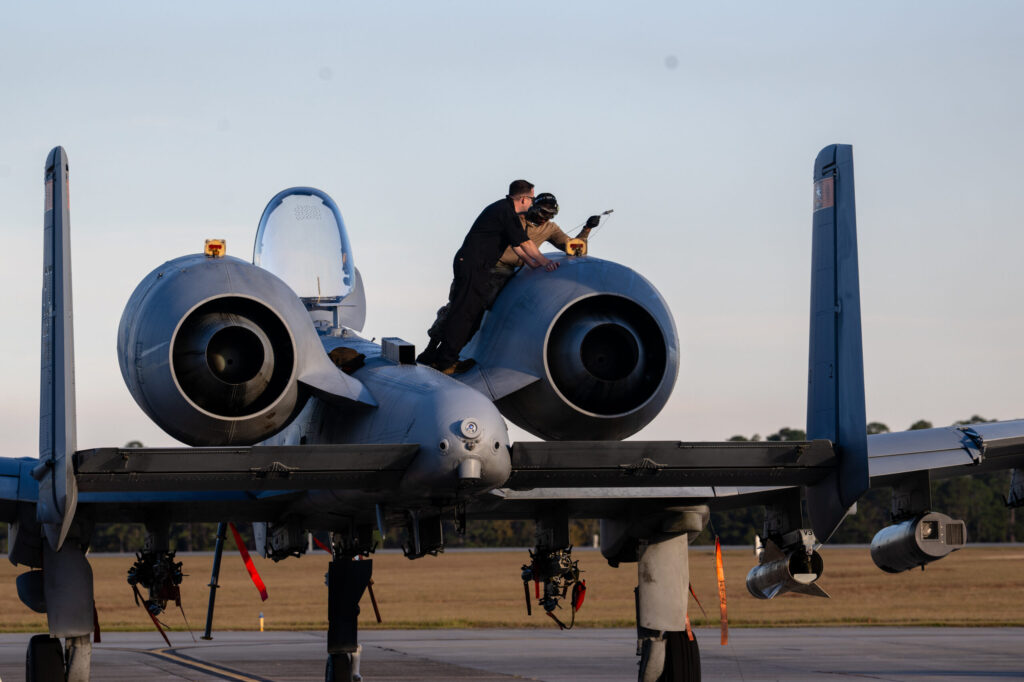
Critics may argue for focusing on newer stealth platforms, yet supporters contend that the Warthog’s proven survivability and loitering capability remain unmatched for certain terrains and contingencies.
The new extension is framed as a practical, tactical decision that buys time for modernization efforts without compromising readiness.
Because the fight against global threats continues to evolve, the Air Force must balance tradition with innovation.
For President Trump and Secretary of War Pete Hegseth, the choice to extend the A-10 fits a broader narrative of steady, forceful leadership and a commitment to the men and women who fly and maintain these aircraft.

The Warthog’s detachment from the active line would have sent a message that might not align with the country’s immediate security needs.
Instead, the current plan preserves a trusted tool while the industrial base expands its capacity for future aviation programs.
In the coming years, the Air Force will likely continue to assess how many A-10s remain and how they fit alongside newer platforms. The extension signals a willingness to adapt to circumstances and make measured bets on existing capabilities.
The debate over retirement timelines now centers as much on industrial capacity as on battlefield doctrine, with key figures signaling their support for a pragmatic approach.
The Warthog’s extended service is a reminder that American defense priorities are often about durability and reliability as much as about cutting-edge technologies.
As the administration pushes forward with a broader strategy, the aircraft stands ready to fill critical roles where it has long proven its worth. In these times, that steadiness matters to crews on the front lines and to the communities backing their missions.

Join the Discussion
COMMENTS POLICY: We have no tolerance for messages of violence, racism, vulgarity, obscenity or other such discourteous behavior. Thank you for contributing to a respectful and useful online dialogue.