The Pentagon is taking a major step toward strengthening America’s digital warfighting capabilities by launching a new pay initiative aimed at rewarding and retaining top cyber talent.
Dubbed the Cyber Mastery Incentive Pay, or C-MIP, this program is a cornerstone of the War Department’s Project Patriot Pipeline effort, designed to modernize how the military recognizes excellence in its cyberspace operations forces.
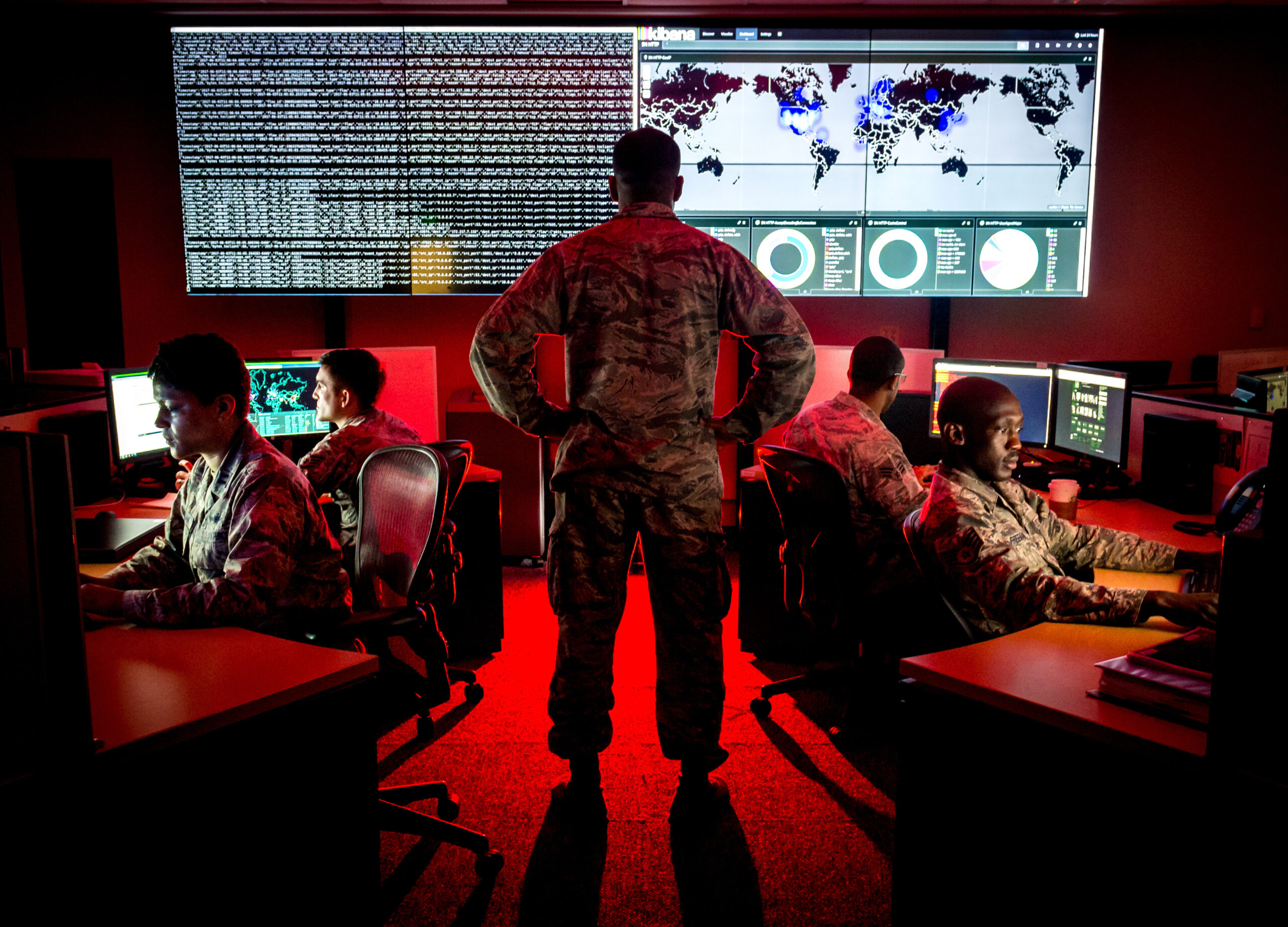
For years, the cyber warriors behind America’s digital defense have operated under outdated incentive systems that failed to match their mission demands or expertise levels.
Now, with the C-MIP, the Pentagon is giving the nation’s cyber operators a more direct link between mastery of skills and financial compensation.
Here's What They're Not Telling You About Your Retirement
MORE NEWS: Pentagon Launches New ‘Joint Warfighting Evaluation’ to Tighten Standards for Flag Promotions
Undersecretary of War for Personnel and Readiness Anthony Tata explained that the initiative was built to reward those who protect the country in the ever-evolving digital battlespace.
“To incentivize our cyber forces and meet both War Department and Defense Industrial Base needs, we need to shed legacy incentive models and invest directly in our people serving on the digital front lines. C-MIP does this,” Tata said.
The program represents a significant shift away from the rigid pay structures that have hamstrung government innovation. Developed in just 60 days by the CYBERCOM 2.0 team, the C-MIP will deliver a flexible, performance-driven approach to compensation, placing the focus where it belongs—on skill, mastery, and mission success.
This Could Be the Most Important Video Gun Owners Watch All Year
At its core, the pay program is built on two key layers: skill incentive pay (SIP) and special duty assignment pay (SDAP). The SIP portion rewards individuals based on skill level, whether basic, senior, or master. It ensures that those who continually sharpen their technical edge are recognized for that professional dedication.
Meanwhile, SDAP targets those serving in exceptionally demanding roles, such as advanced trainers or mission-critical specialists. These are the digital commandos tackling complex operations, dismantling cyber threats, and ensuring U.S. superiority in cyberspace.
Katie Sutton, the War Department’s Assistant Secretary for Cyber Policy, said the initiative rips out the inefficiency that’s plagued traditional government incentive programs for decades.
“By breaking down the bureaucratic norms of government incentives, this framework enables increased lethality by driving the skills, roles, and duties most vital to mission success,” Sutton said.
Although details on specific pay amounts haven’t been released yet, the program’s official start date has been set for October 1. Pentagon leaders made it clear that this is just the beginning of a broader strategy to rebuild America’s cyber warfighting ecosystem from the ground up.
The timing of the rollout comes as Washington debates whether the U.S. should establish an entirely new military service dedicated to cyberspace—an idea floated by several policymakers and think tanks.
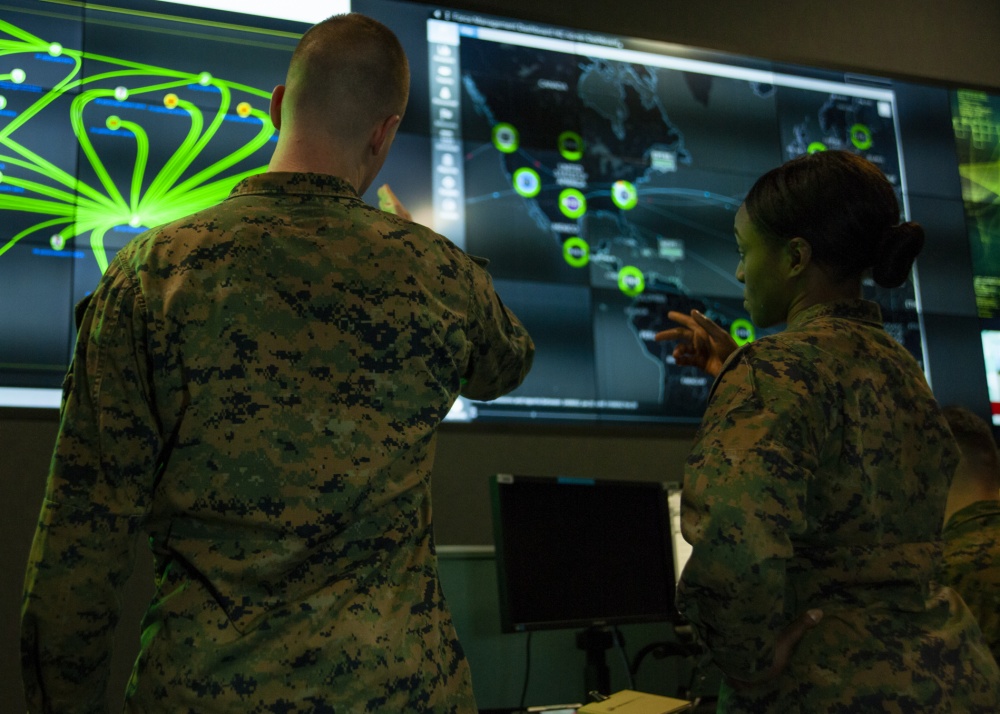
A recent report from two Beltway think tanks argued that a dedicated Cyber Force could better handle the “service-like” responsibilities now carried out by U.S. Cyber Command. However, the price tag for that experiment—an eye-watering $10 billion and at least a year of bureaucratic wrangling—has many experts questioning its feasibility.
Instead of pursuing another bloated federal project, analysts argue that initiatives like C-MIP are smarter and faster ways to strengthen America’s cyber defenses.
By focusing on talent and retaining the best digital warriors, the War Department is addressing one of the biggest challenges faced by the military in the modern age: competition with the private tech sector for highly skilled personnel.
Under the leadership of Secretary of War Pete Hegseth, the Pentagon has been moving aggressively to modernize pay structures, rebuild troop morale, and reestablish American dominance across every warfighting domain—including cyberspace.
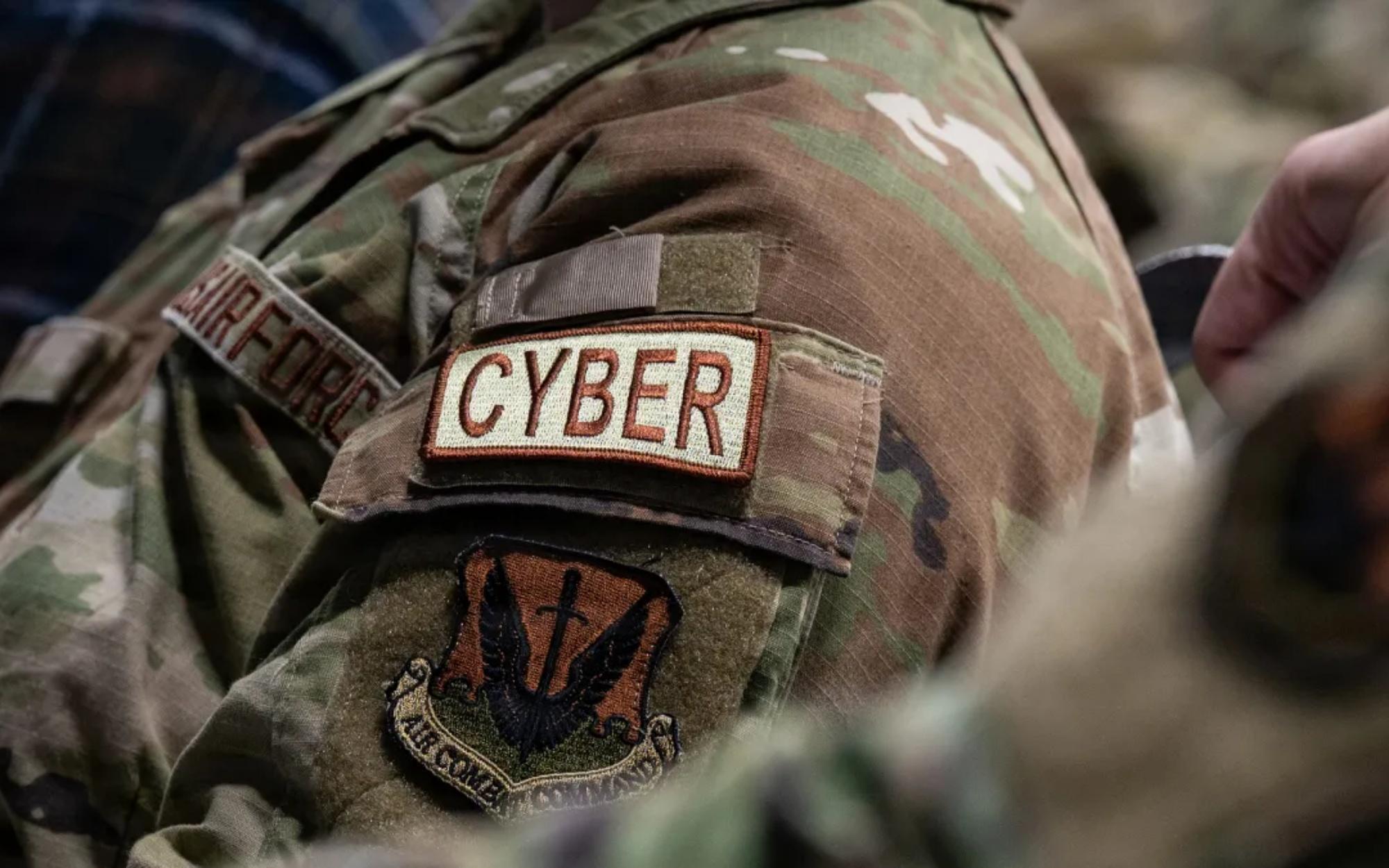
The C-MIP represents the strategic fusion of patriotism and performance, offering top-tier incentivization for those who deliver mission-ready results.
As cyber threats from adversaries like China, Russia, and Iran continue to grow more sophisticated, this pay reform could not come at a better time. America’s cyber warriors face daily attacks on military systems, infrastructure, and communications networks.
Their skills, often invisible to the general public, are every bit as vital to national defense as those of pilots, special operators, and intelligence officers in the field.
The C-MIP also ties directly into President Trump’s broader focus on rebuilding America’s military prowess and investing in its warriors, both physical and digital.
By rewarding mastery, fostering innovation, and breaking free from bureaucratic inertia, the War Department is taking a decisive step toward future-proofing the force against next-generation threats.
At long last, the cyber domain is being treated with the seriousness it deserves. America’s digital soldiers will now be compensated not for their time in uniform, but for the mastery they bring to the fight—a fundamental change that aligns pay with performance, and power with purpose.
Join the Discussion
COMMENTS POLICY: We have no tolerance for messages of violence, racism, vulgarity, obscenity or other such discourteous behavior. Thank you for contributing to a respectful and useful online dialogue.