WHAT YOU NEED TO KNOW
- Adm. James Kilby warned that extended deployments and combat commitments will create readiness costs that may not become visible for two years.
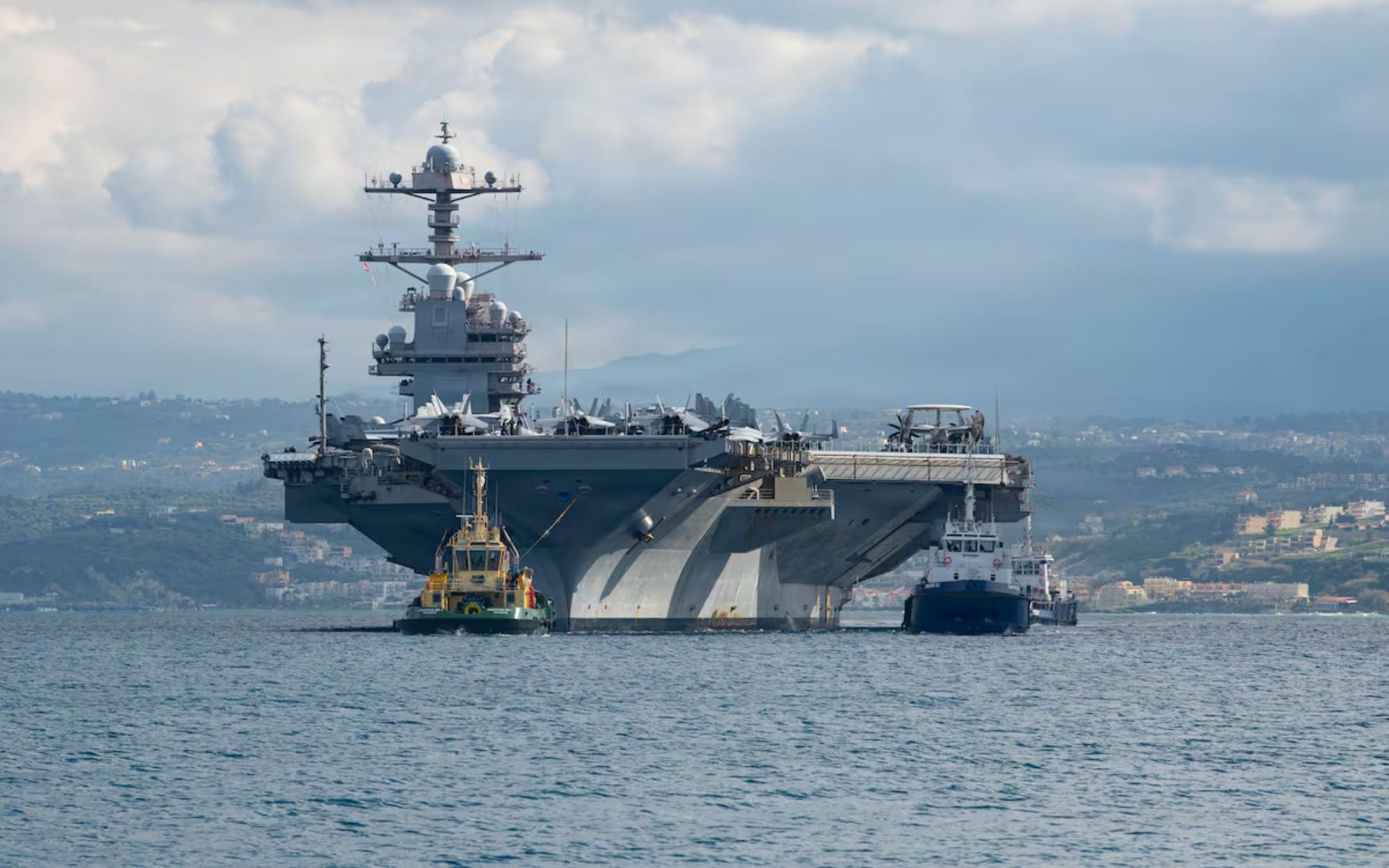
- USS Abraham Lincoln completed a 321 day deployment, including 265 consecutive days without a port call.
- Kilby said readiness rates appear artificially high because deployed ships have not yet returned for maintenance.
- Deferred maintenance and reduced modernization could follow as the industrial base struggles to absorb returning ships.
- Unmanned vessels and greater command flexibility could eventually reduce pressure on strike groups and amphibious ready groups.
A day after War Secretary Pete Hegseth praised sailors aboard the aircraft carrier USS Abraham Lincoln for proving doubters wrong, the Navy’s No. 2 officer delivered a more cautionary message about the demands placed on the fleet.
Vice Chief of Naval Operations Adm. James Kilby warned that the full readiness consequences from the carrier’s double deployment extension and other combat commitments have not yet become visible. Those costs, he indicated, could emerge well after the immediate mission is complete.
Kilby spoke Thursday during a hearing before the National Commission on the Future of the Navy, which was created by Congress. He described the challenge of sustaining naval forces and then resetting them after extended combat demands.
“That’s the piece I think that we need to be better at articulating and demonstrating — what the cost of this extension will be two years from now,” Kilby said. “So people see that, and they sign that bill.”
Hegseth had commended Lincoln sailors for completing a deployment lasting 321 days. During that deployment, the crew spent 265 consecutive days without a port call, an operational stretch Kilby acknowledged had produced results.
Kilby said the crew had “delivered the goods,” creating an uncomfortable reality for Navy leaders trying to explain why such demanding operations cannot simply become the normal expectation.
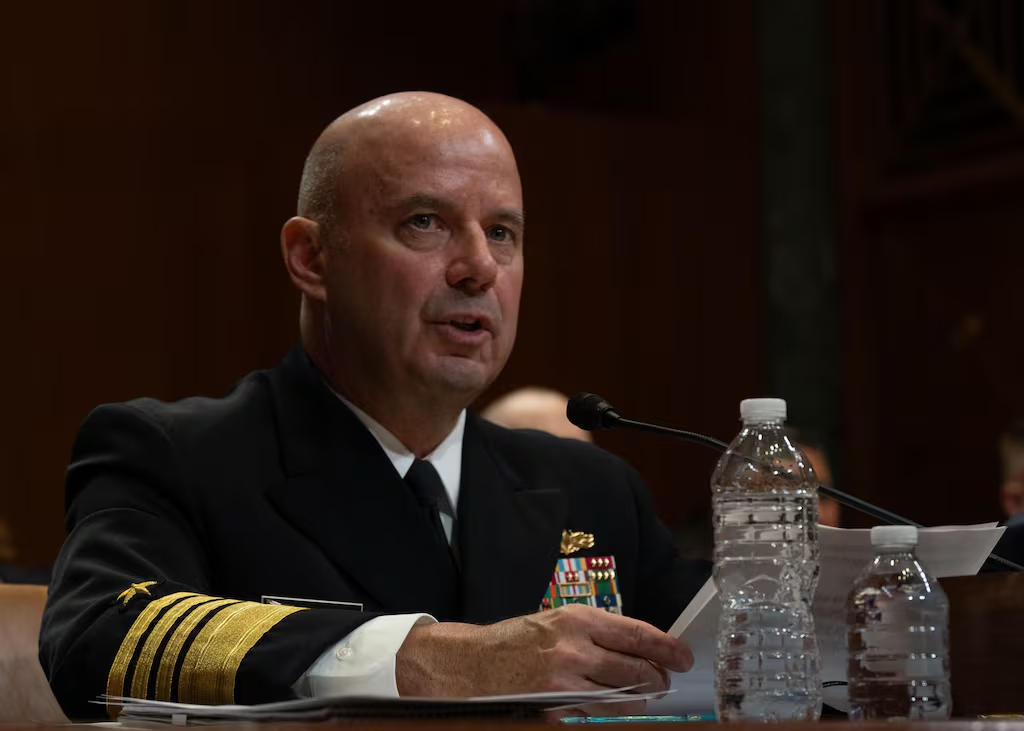
“So, it’s a little bit of a challenge for me to say you can’t do this when we keep delivering,” he said.
The immediate readiness picture, however, does not show the entire burden. Kilby said readiness rates remain “artificially high” because vessels are still deployed or have not yet returned to maintenance following their missions.
That produces what Kilby called a “little bit of a false positive” in the Navy’s readiness picture. Once ships begin returning home and require maintenance, that favorable appearance could change quickly.
“The problem will come when eventually they do come home. The industrial base will not be able to swallow that pill, and so we’ll have to sequence that,” he said.
Sequencing maintenance could mean delaying some work as the Navy attempts to manage the accumulated demands. Kilby identified deferred maintenance as a standard way to account for the additional cost created by extended operations.
“I’ll either squish the package into the bare minimum and not do modernization things I need to do, so that’s the bill that’s being paid there,” Kilby said.
Unmanned vessels could eventually help reduce the pressure on strike groups and amphibious ready groups. Kilby said a tailored force package involving a littoral combat ship, an unmanned air vessel and unmanned surface vessels could perform monitoring, maritime domain awareness and potentially action.
Such a package could give a combatant commander another option instead of requesting a strike group or amphibious ready group. The obstacle is that commanders cannot request an option that the Navy has not yet made available.
“But that’s a long time coming because they don’t see that offer on the menu right now. We’ve got to act on that and produce that thing for them to ask for it,” Kilby said.
Kilby also suggested that service leaders and key commanders need greater flexibility in how they meet requirements. He said that cultural adjustment could help the Navy preserve readiness over the long term while still preparing forces for combat demands.
“They have very, very little flexibility in their basic phase to get through those gates, and we’re pressurizing that by saying, ‘Do it faster, so I can count you as combat-surge ready,’” Kilby said, “which prevents them from maybe doing some things that existed in what I maybe fondly remember from my youth, where we had a little bit more control of that culture.”

For now, Kilby said the Navy operates within a system where a geographic combatant commander receives a problem and asks the services for whatever is needed. The services then do whatever it takes to satisfy that requirement, even when the resulting costs will arrive later.
That dynamic reflects both the strength and the vulnerability of naval forces, which repeatedly meet operational demands even when doing so creates future readiness pressure. “I think it’s a tough pill for us to swallow, because the Navy’s strength, the Navy and Marine Corps’ strength, is our weakness in that regard,” Kilby said.
Join the Discussion
COMMENTS POLICY: We have no tolerance for messages of violence, racism, vulgarity, obscenity or other such discourteous behavior. Thank you for contributing to a respectful and useful online dialogue.