WHAT YOU NEED TO KNOW
- Sen. Chris Murphy says the War Department denied him access to Qatar’s Al Udeid Air Base after drone damage during the Iran war.
- The War Department cited regional travel restrictions ordered by Secretary of War Pete Hegseth on March 3, 2026.
- Murphy plans legislation requiring congressional access to overseas military bases when needed.
- Two Iranian drones damaged the U.S. embassy in Riyadh, leaving part of the building “uninhabitable,” according to Murphy.
Sen. Chris Murphy, D-Conn., says he was denied access to Al Udeid Air Base in Qatar during a Congressional Delegation trip to the Middle East. The senator called the denial a “cover-up” intended to conceal damage suffered during the Iran war.
Murphy traveled to the region this week to speak with Gulf leaders and visit American facilities affected by the conflict. Al Udeid, described as the largest military installation in the Middle East, sustained damage from drone strikes during the war.
“They are using every tool they can, including withholding information about damages, slow walking the pace of reports about casualties and denying us access to see the damage as part of a campaign of cover-up, so as to mask the true cost of the war,” Murphy told reporters Thursday.
Murphy, a member of the Senate Foreign Relations Committee and Defense Appropriations Committee, described the base denial as “unprecedented.” He said he plans to draft language explicitly requiring the Department of War to grant members of Congress access to overseas military bases under all circumstances when needed.
“I don’t have any illusions that that’s going to pass between now and the end of the year, but I think that’ll be a really important part of the discussion around an appropriations bill next year and the defense authorization bill,” Murphy said during the press call.
Before traveling, Murphy requested access through a letter and a direct appeal to U.S. Central Command leadership. The Department of State supported his regional trip, but the War Department denied access and cited travel restrictions imposed before his arrival.
“Senator Murphy’s office was informed before his trip to the Middle East that he would not receive Department of War support to access Al Udeid Air Base, consistent with the Secretary of War’s directive on travel restrictions in the region ordered on March 3, 2026,” a senior War Department official told Military Times.
“That decision was communicated in advance by the Office of the Secretary of War for Legislative Affairs,” the official continued. “The Department applies the Secretary’s guidance evenly.”
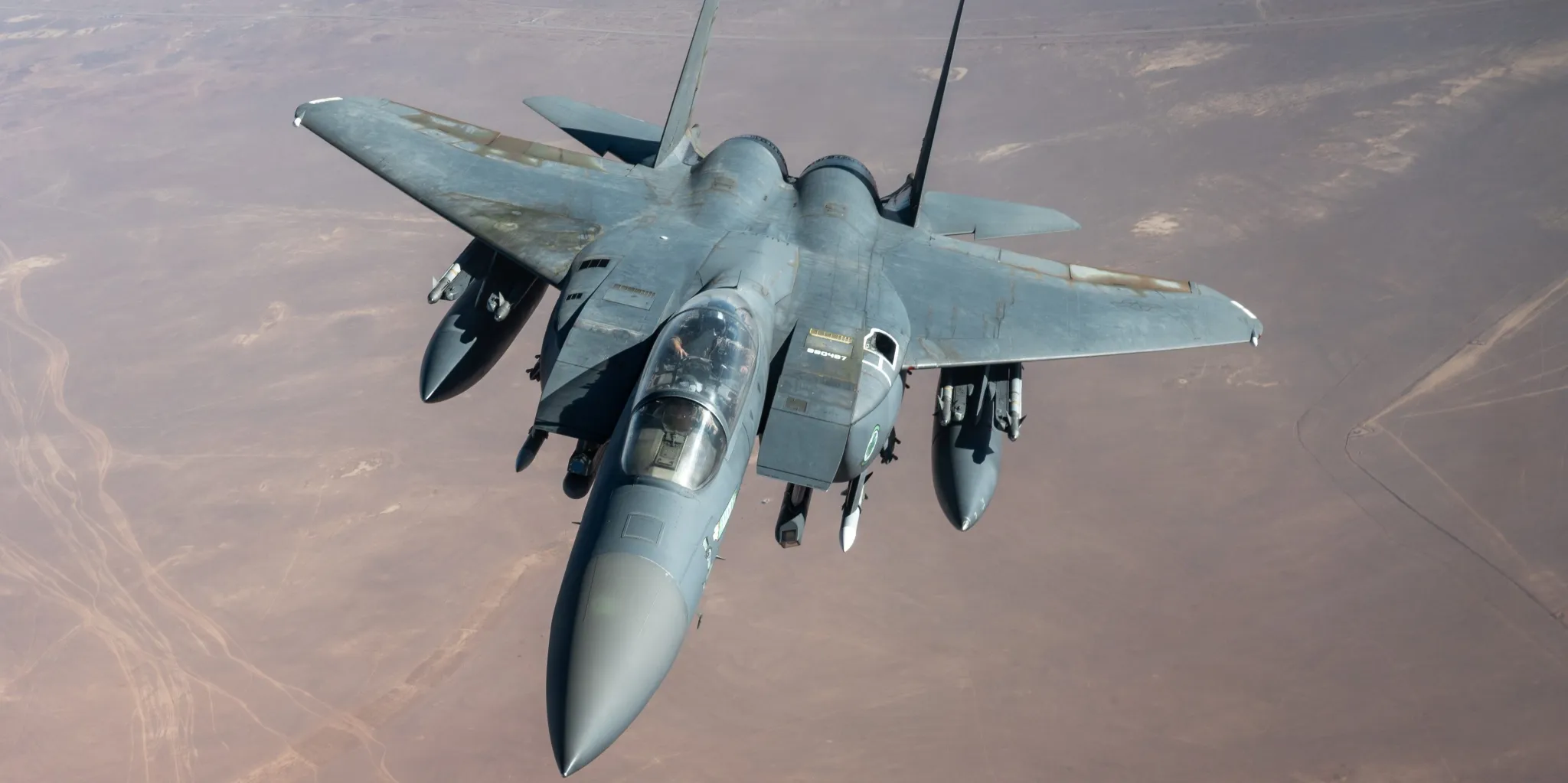
In early March, the State Department and War Department issued travel guidance calling on Americans to leave areas in the region. The updated advisory also recommended against traveling to certain countries, including Qatar.
Murphy argued that congressional visits to conflict areas are routine and necessary. “It is absolutely ordinary for members of Congress to travel to areas of conflict and get to talk directly to the military leaders and the soldiers that are involved in the conflict and see for ourselves the damage that has been done to our bases and equipment,” he said.
The senator pointed to visits he made to operating bases during the Iraq and Afghanistan wars. Because Congress determines war funding and authorization, Murphy said lawmakers need to witness the consequences, yet he received neither access to Al Udeid nor a regional briefing from American military officials.
The same day the March travel advisory was issued, two Iranian drones struck the U.S. embassy in Riyadh, Saudi Arabia. The attack caused building damage and a fire, while Murphy said the drones affected multiple floors and left part of the embassy “uninhabitable” with permanent damage.
The United States announced plans in 2023 to construct a new embassy compound in Riyadh. Murphy attributed the lack of repairs to those plans, while noting that no injuries or casualties were reported from the drone strike.
Murphy nevertheless argued that the outcome could have been far worse if the attack had occurred during the day. He said such timing would have killed many Americans.
“[Secretary of War Pete] Hegseth is determined to hide the cost and the consequences of this war from the American public, and it is absolutely outrageous that I and Republican senators are being denied the ability to see the damage for ourselves,” Murphy said.
The War Department’s stated position remains that the denial followed the Secretary of War’s regional travel restrictions and that the guidance was applied evenly. Murphy, meanwhile, is preparing to push the access issue into future discussions involving appropriations and the defense authorization bill.
Join the Discussion
COMMENTS POLICY: We have no tolerance for messages of violence, racism, vulgarity, obscenity or other such discourteous behavior. Thank you for contributing to a respectful and useful online dialogue.